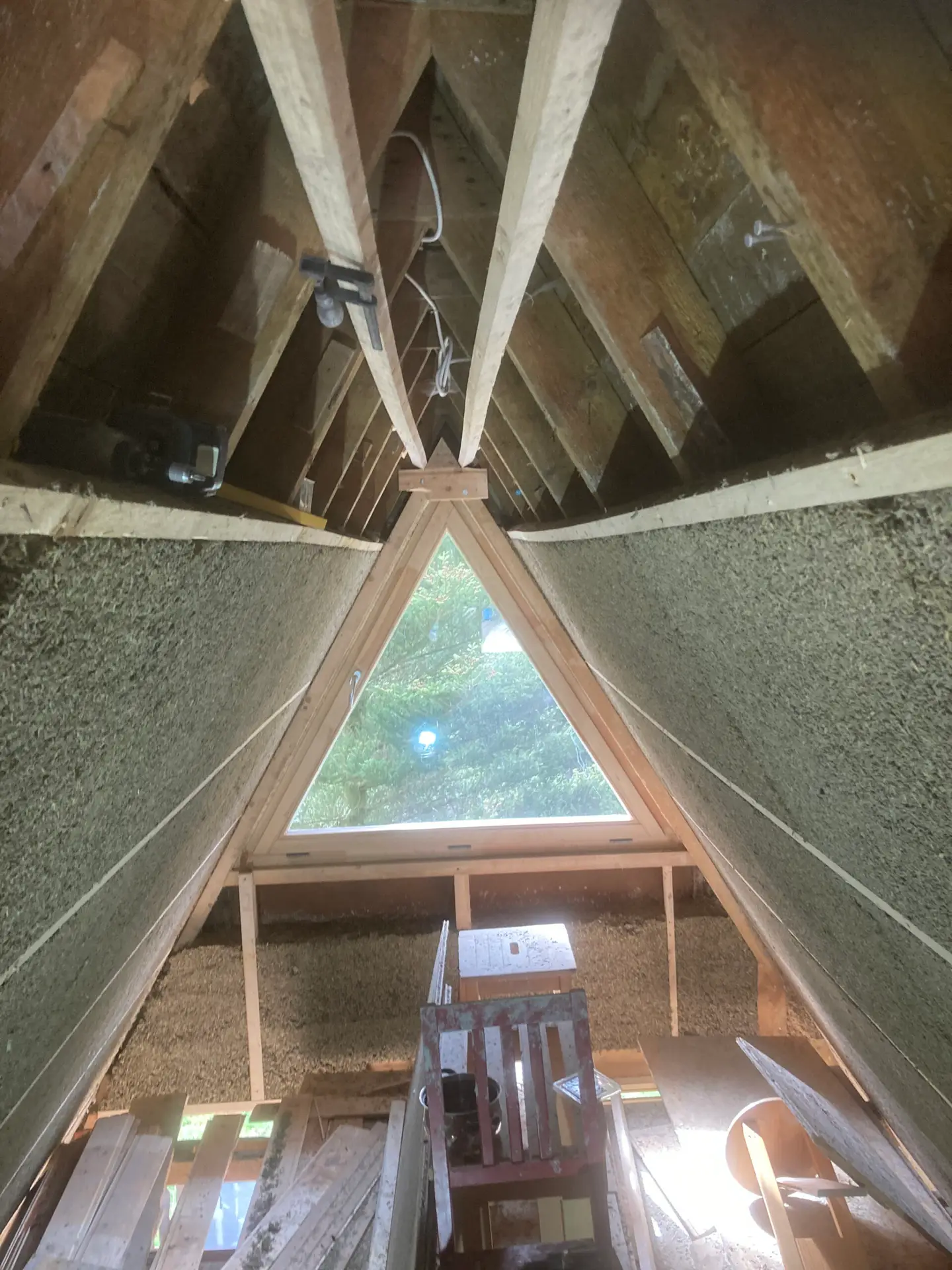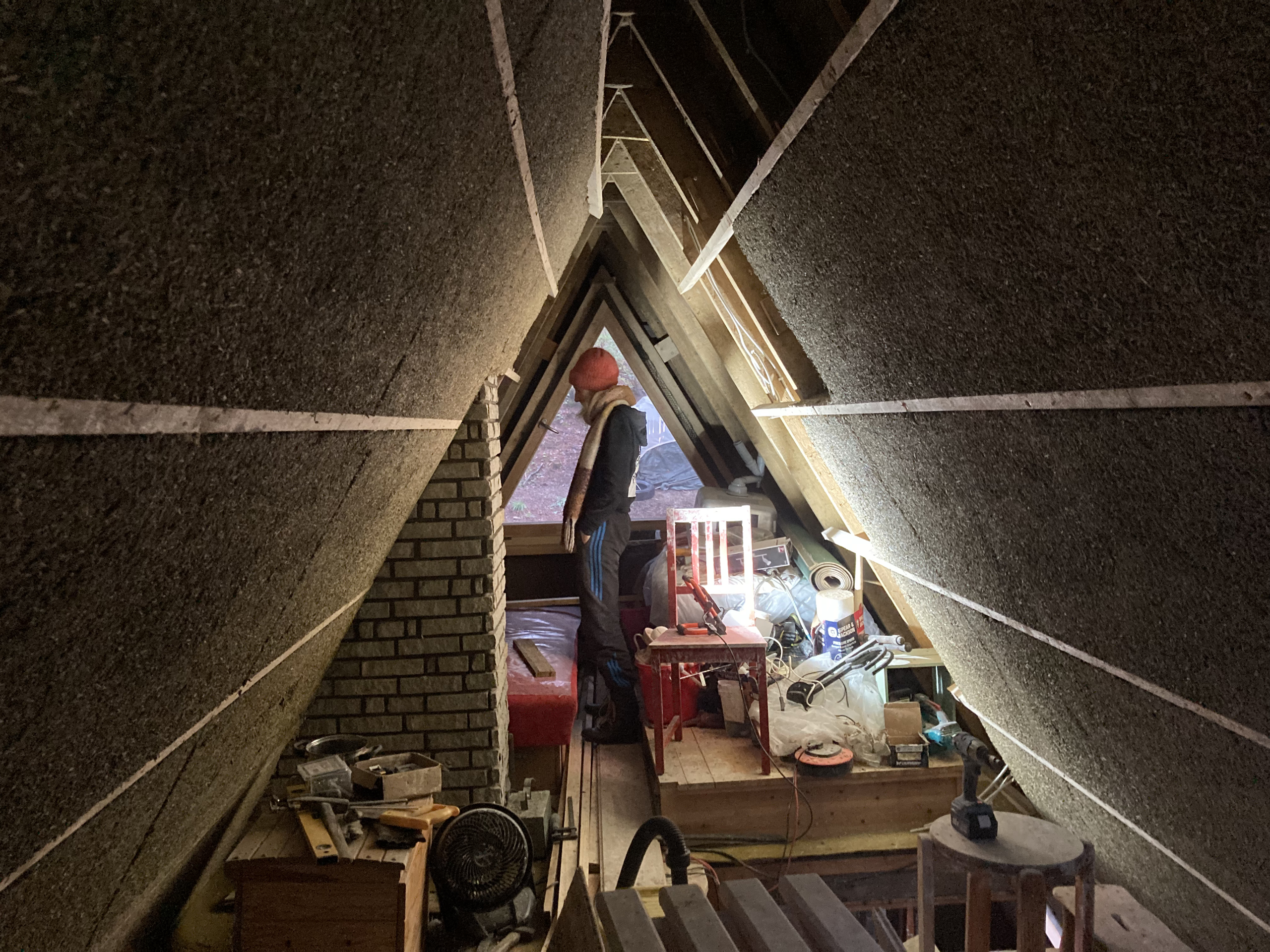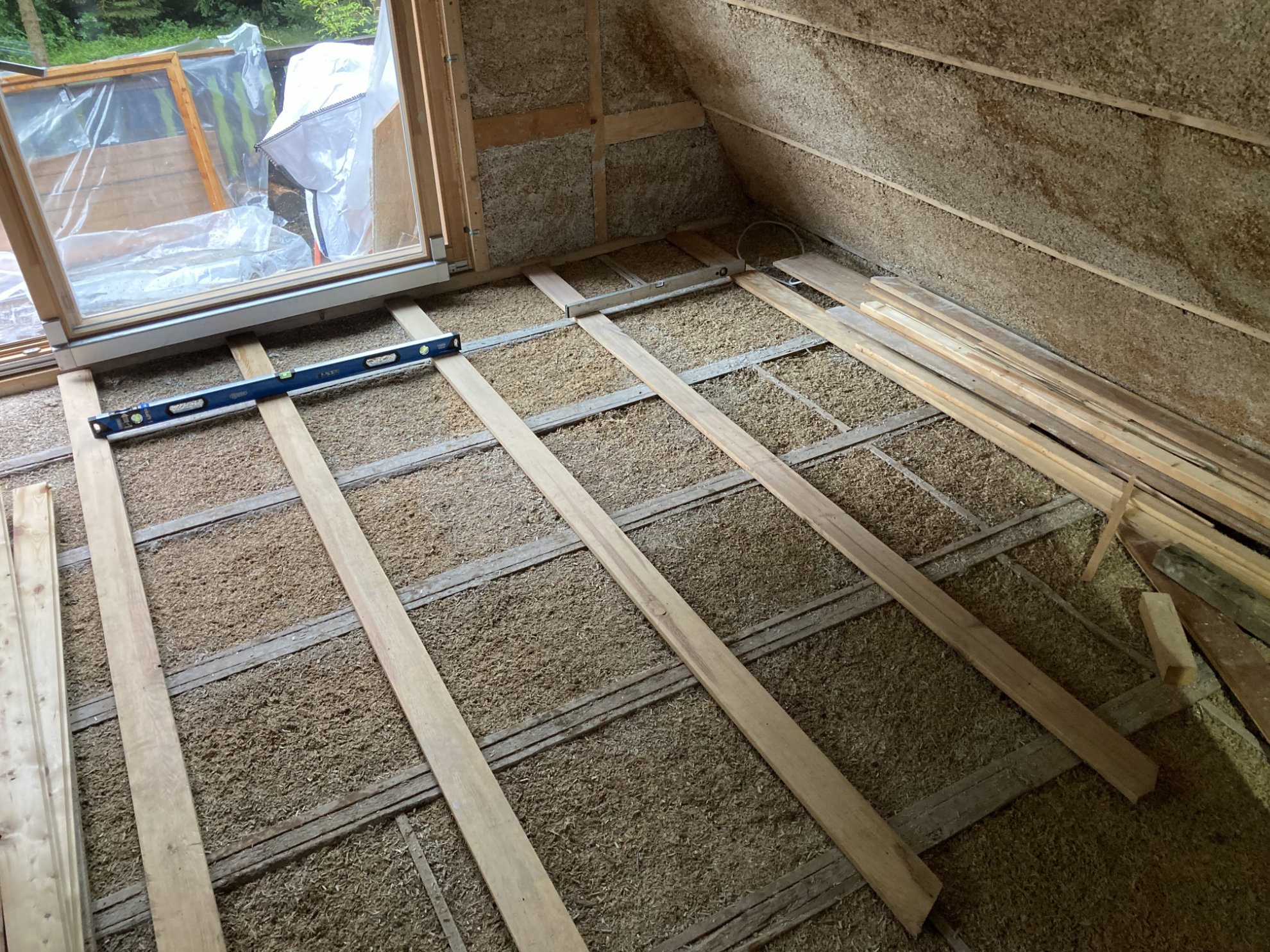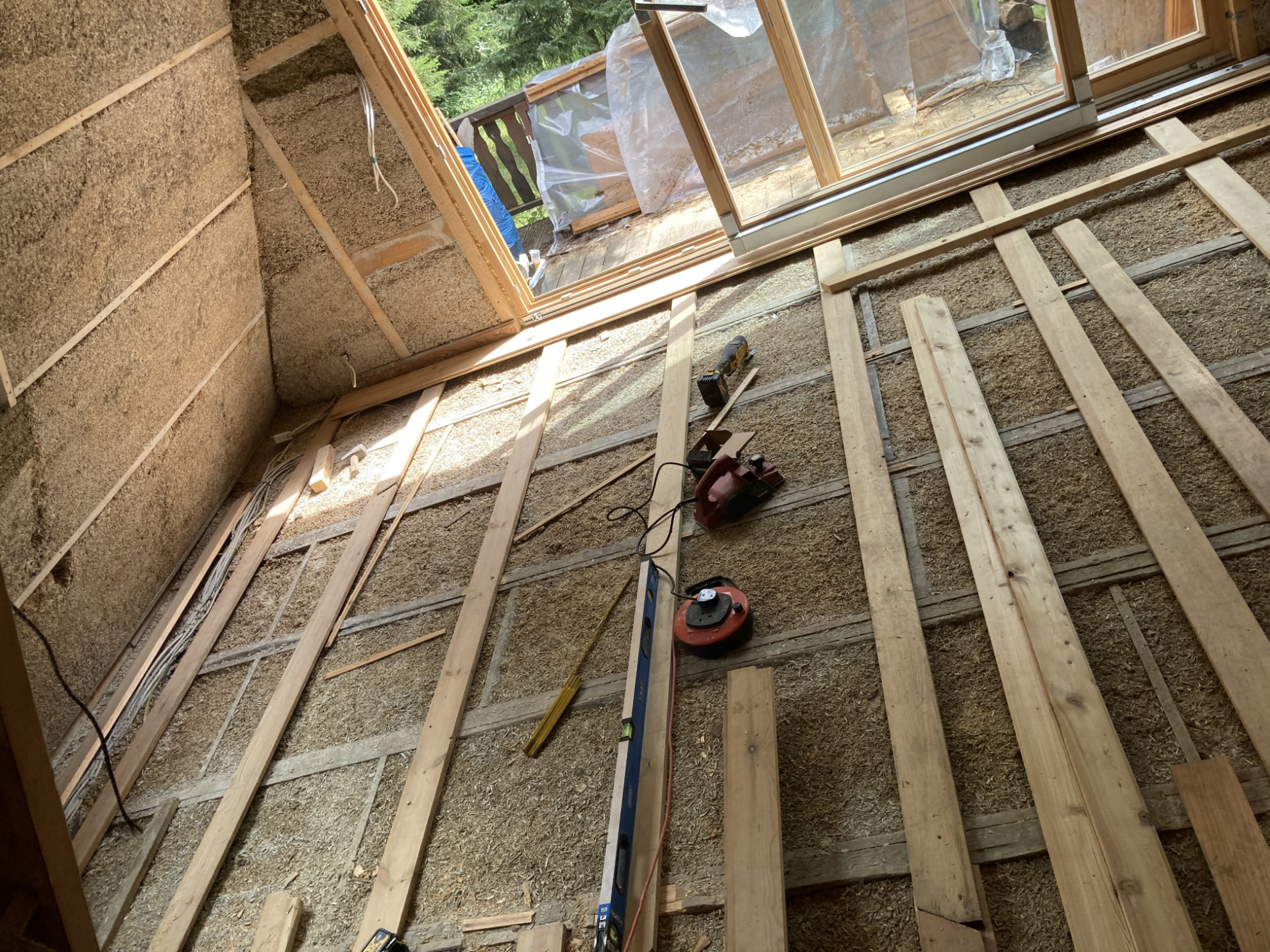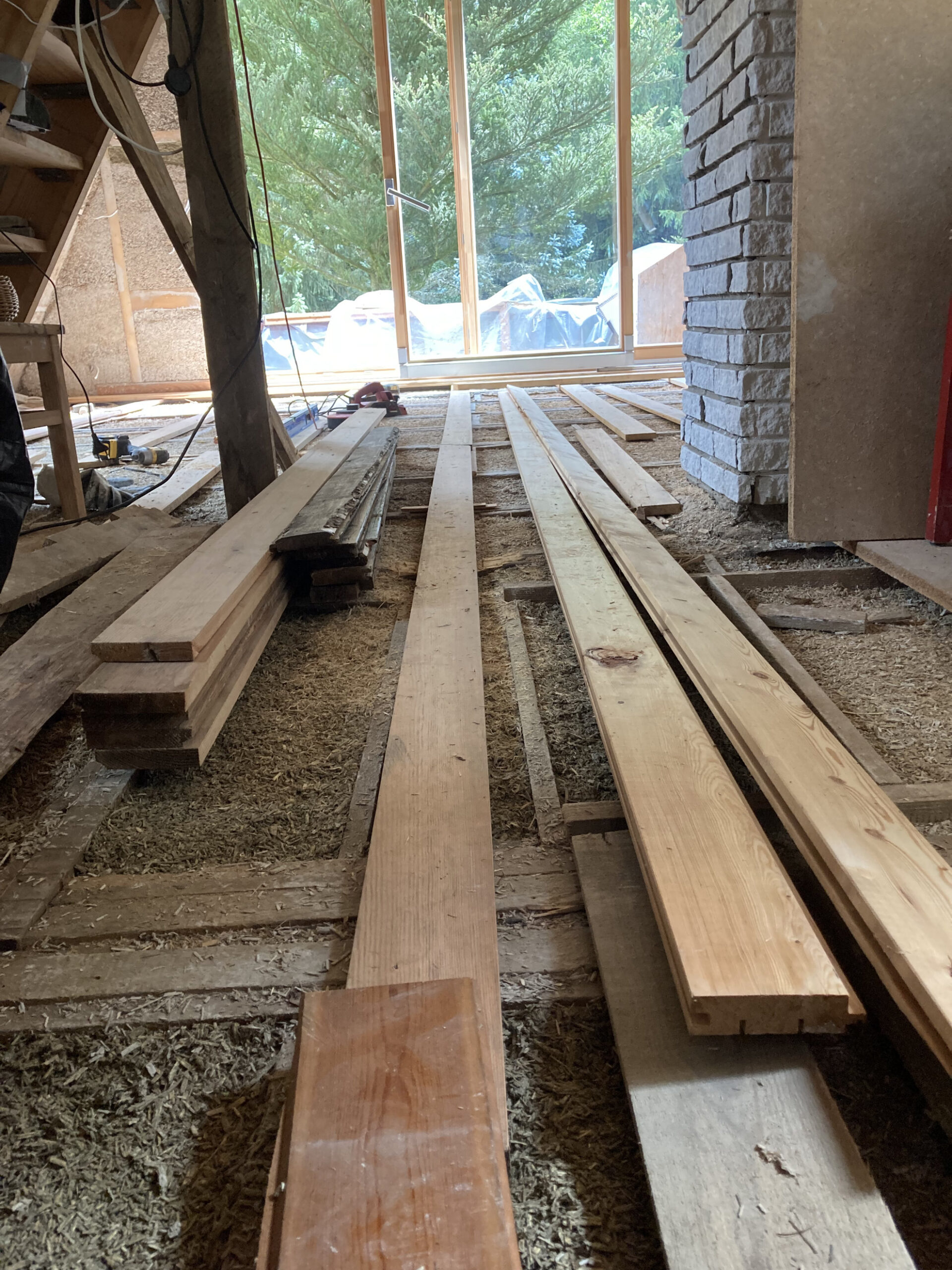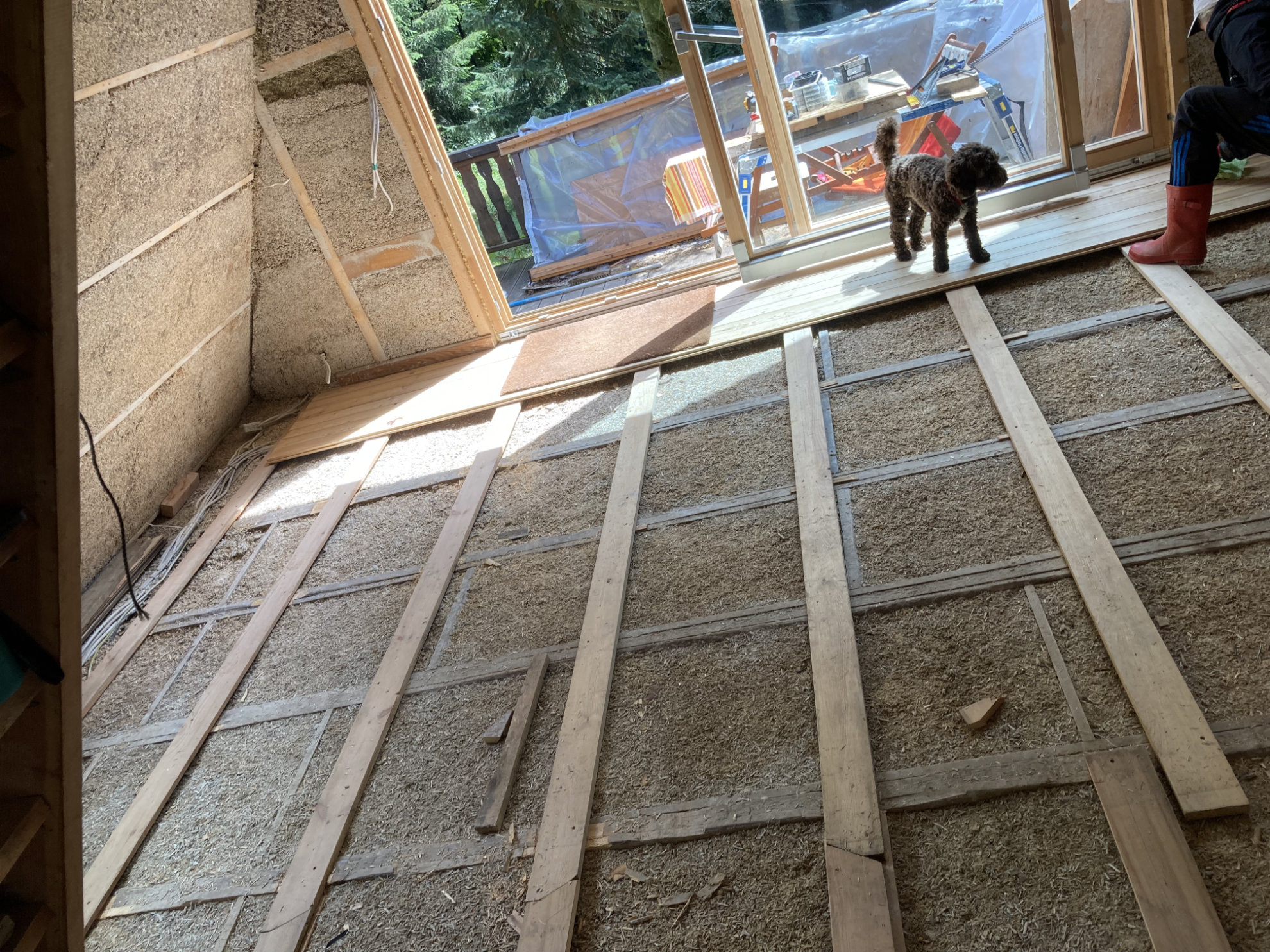


Welcome to our journey into hempcrete and all other manner of self build adventures

A cabin made of porridge
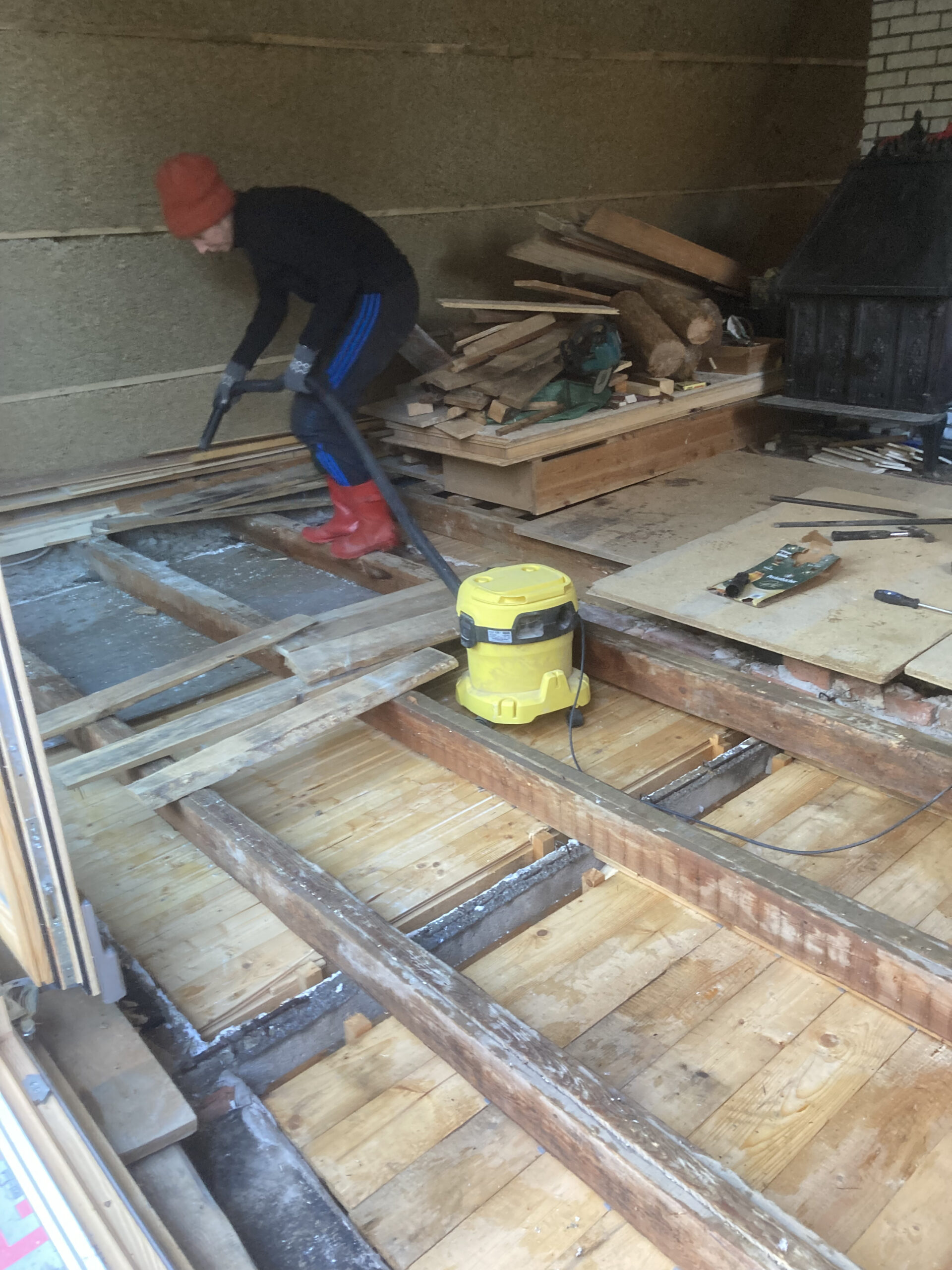
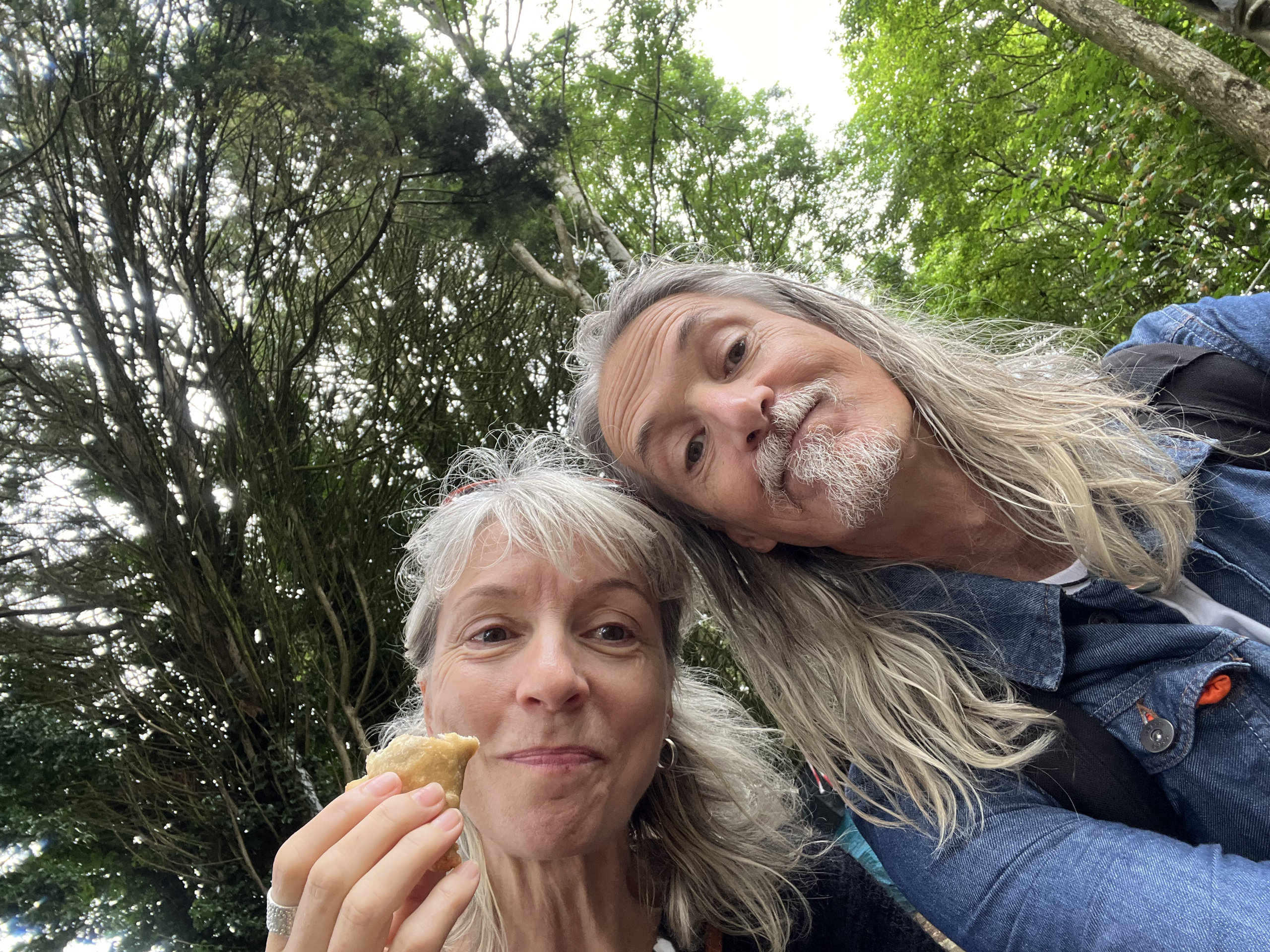
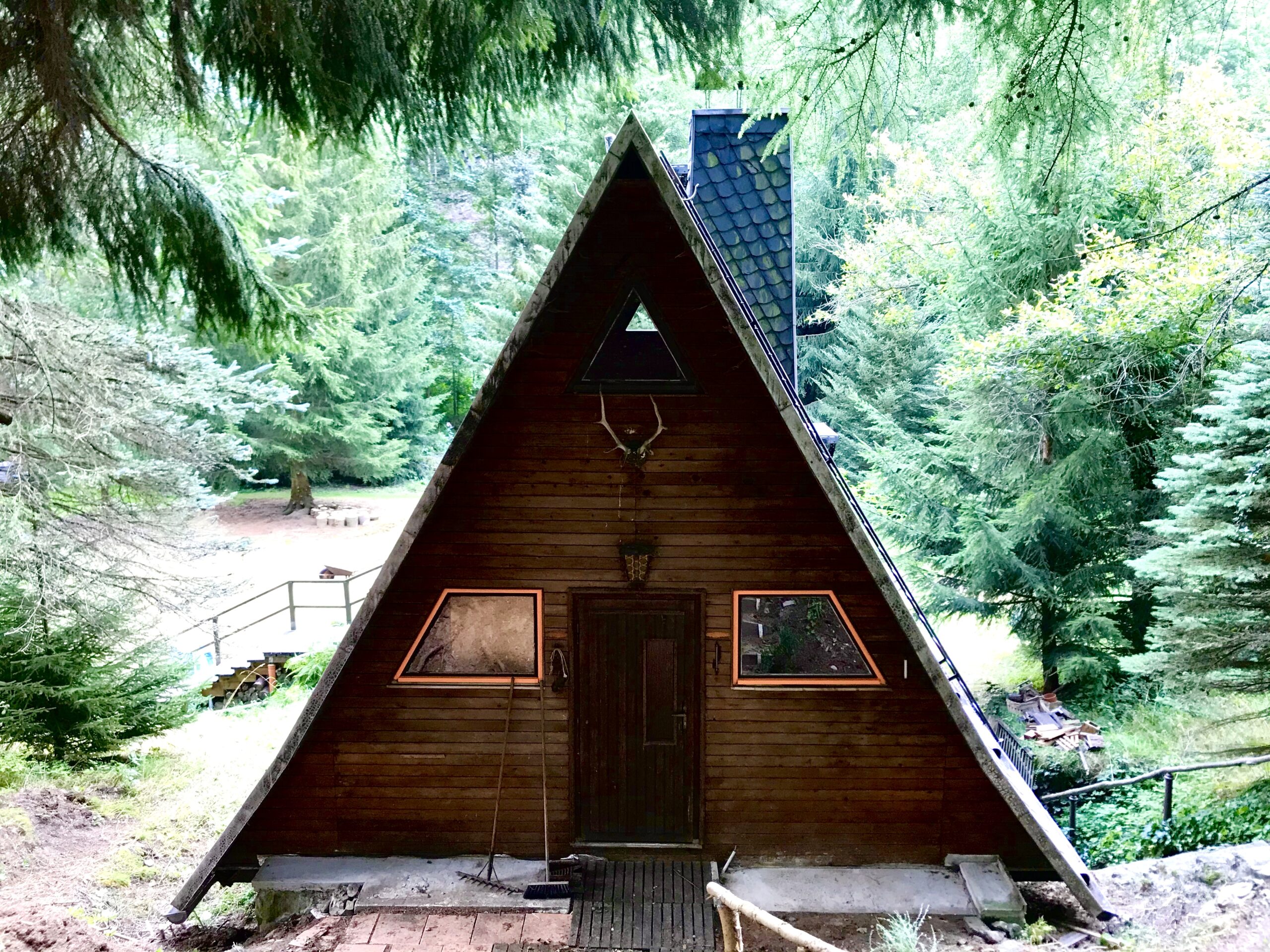
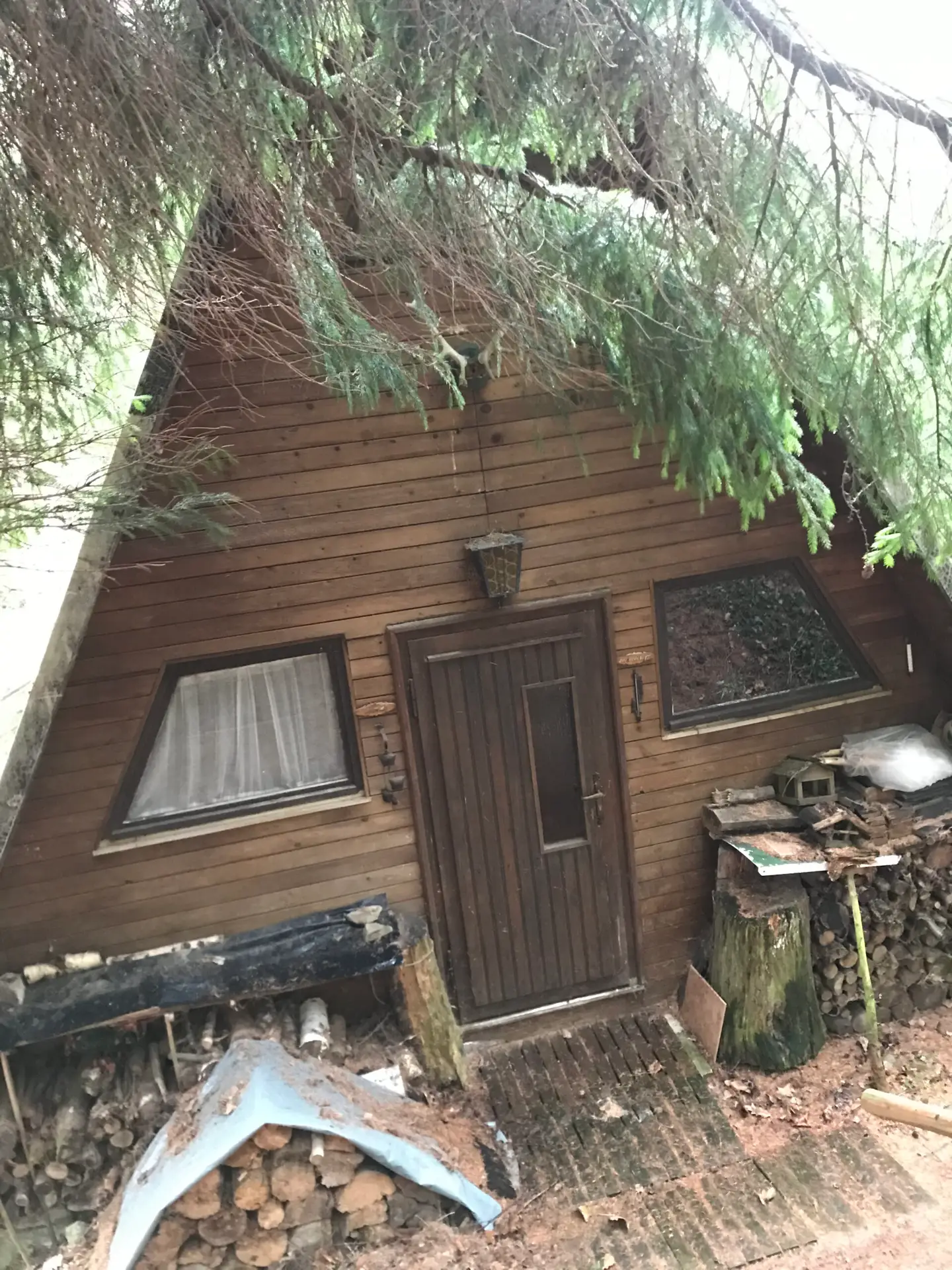
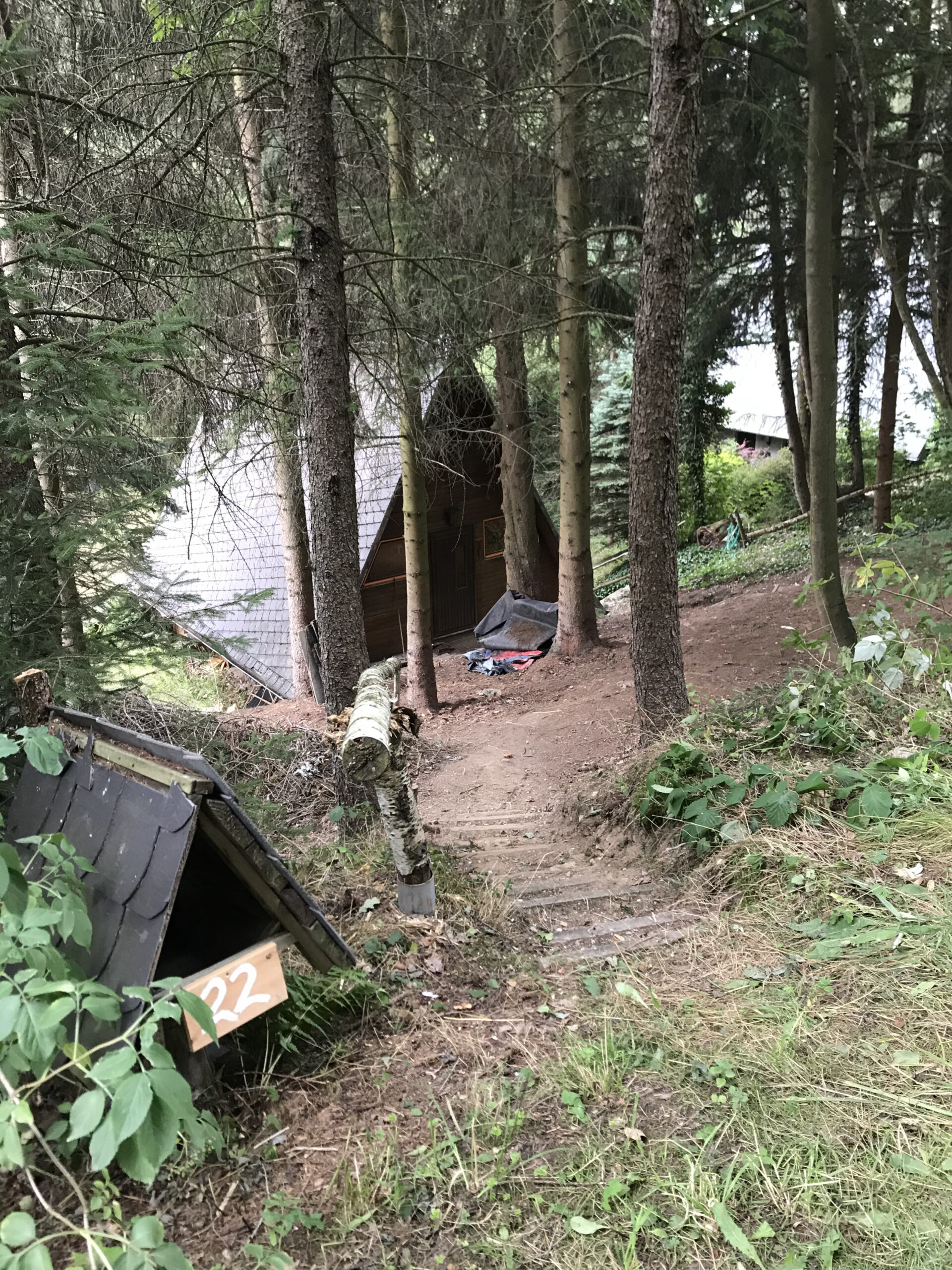
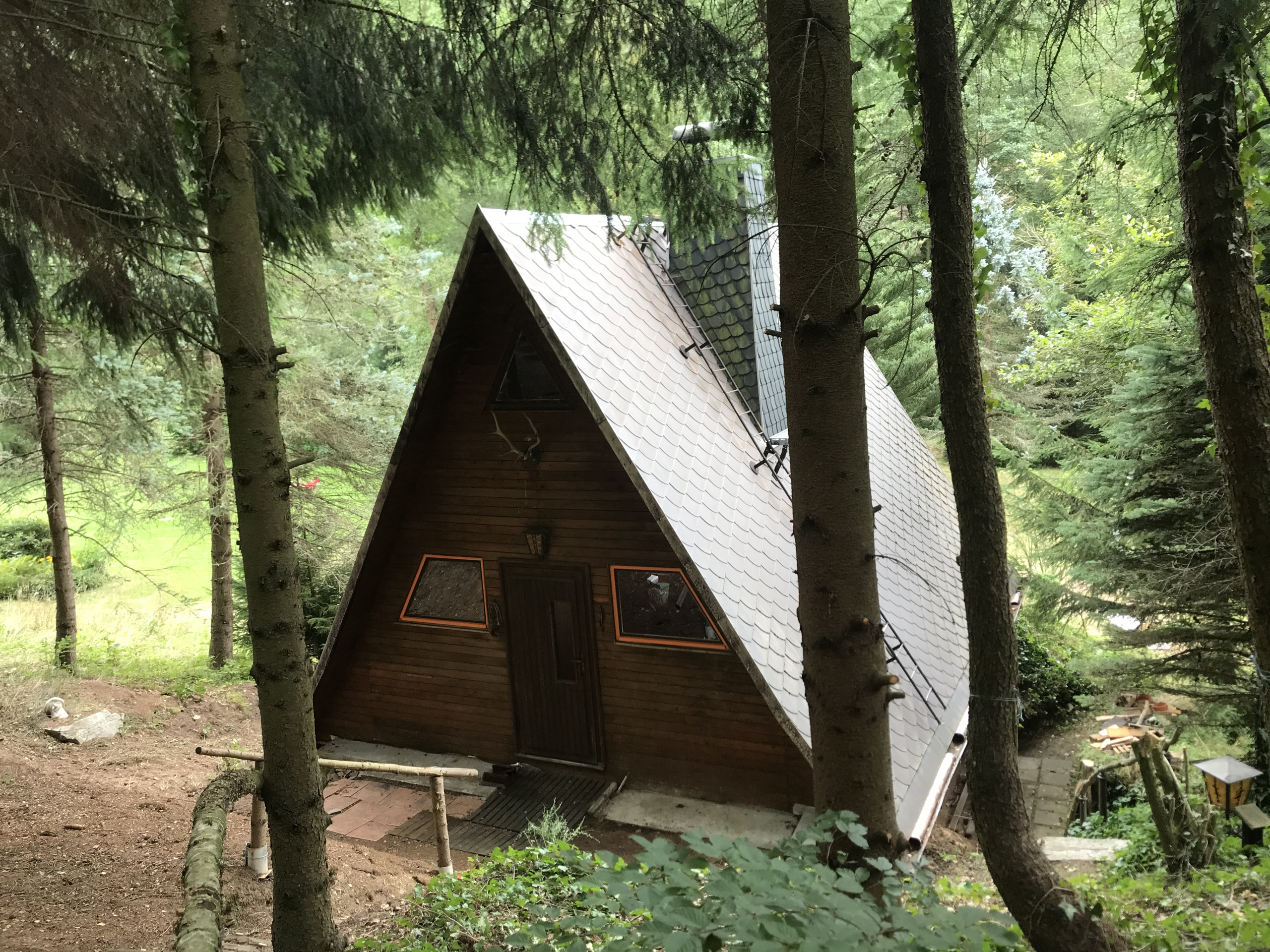
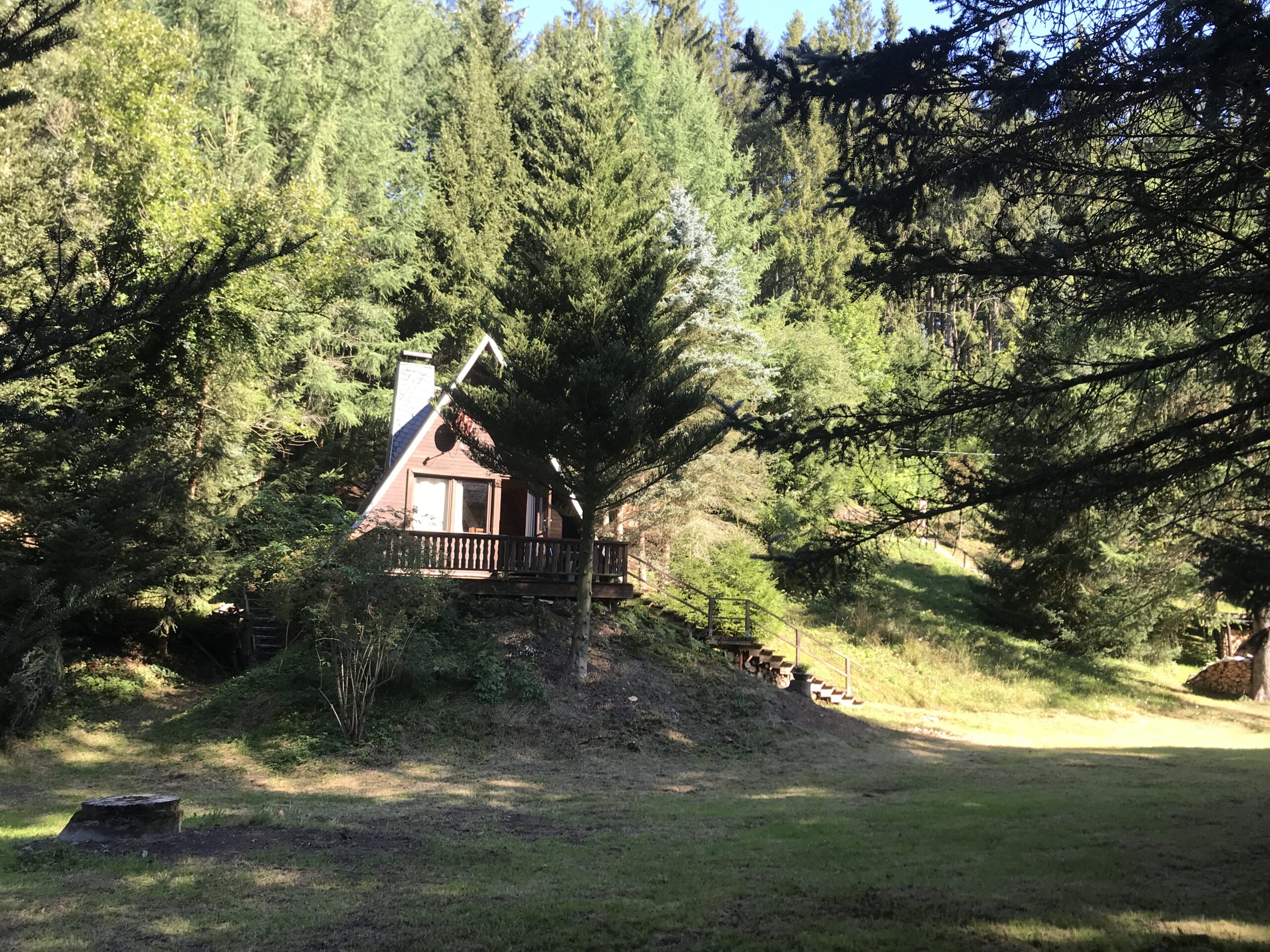
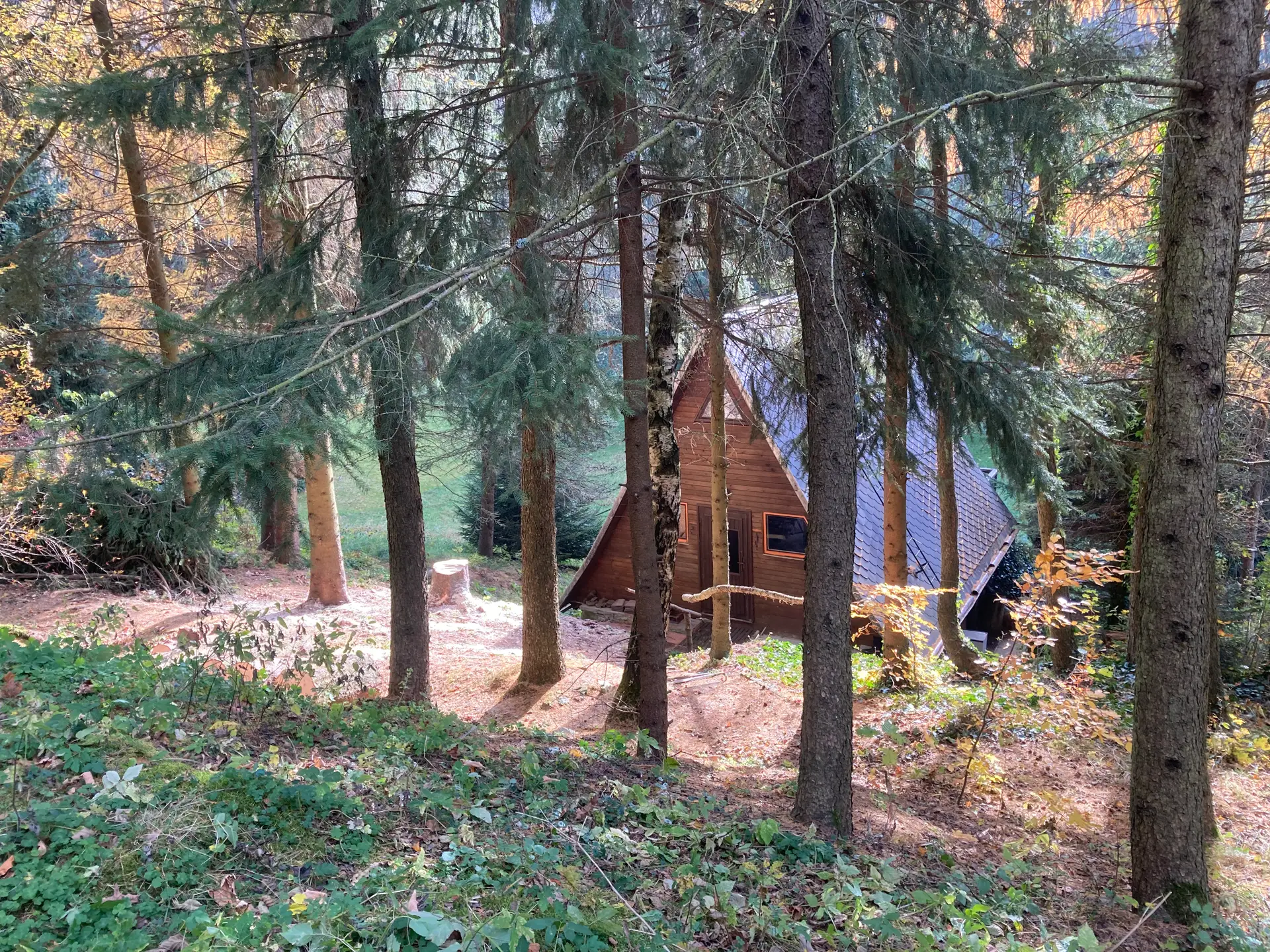
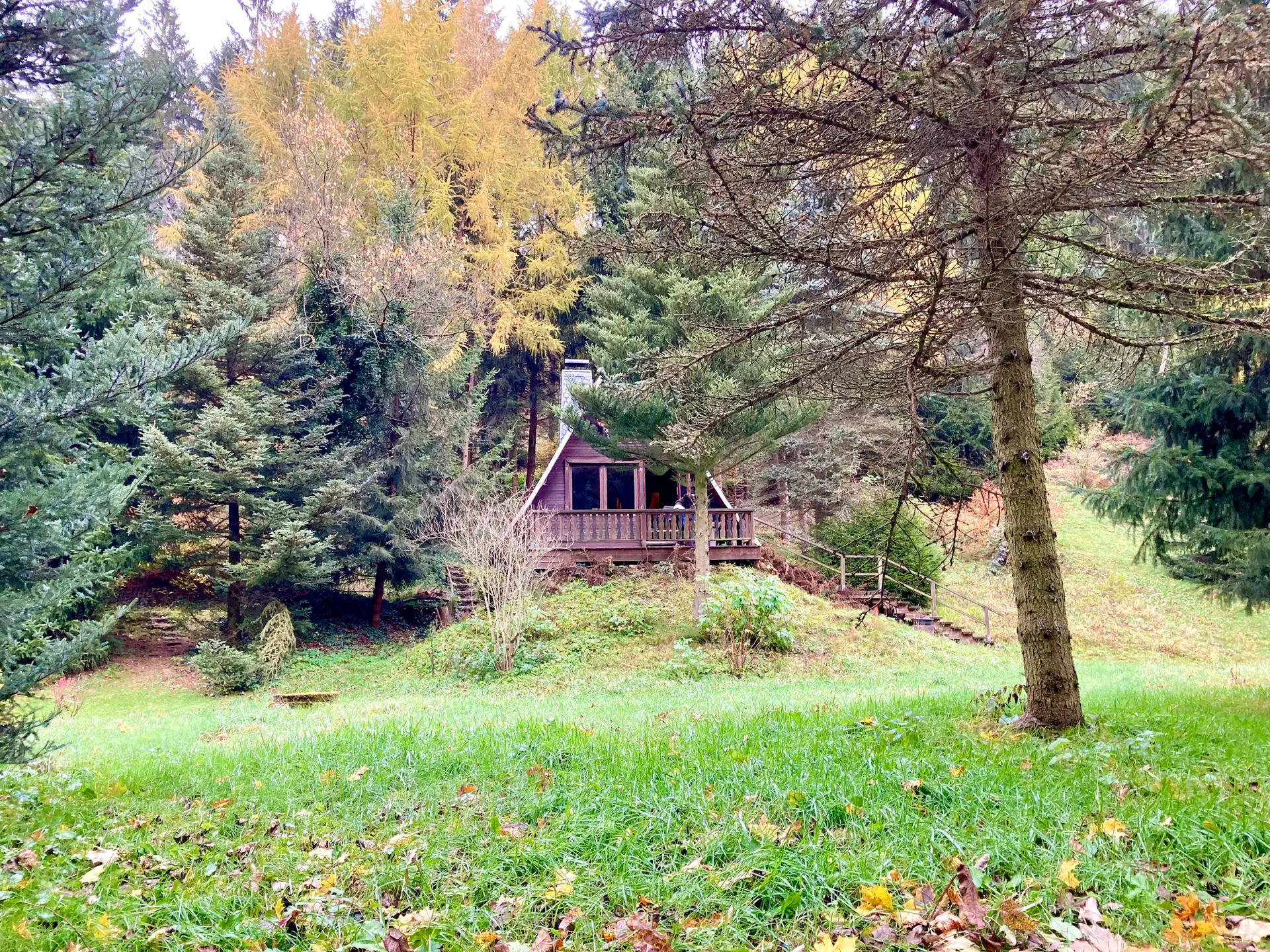
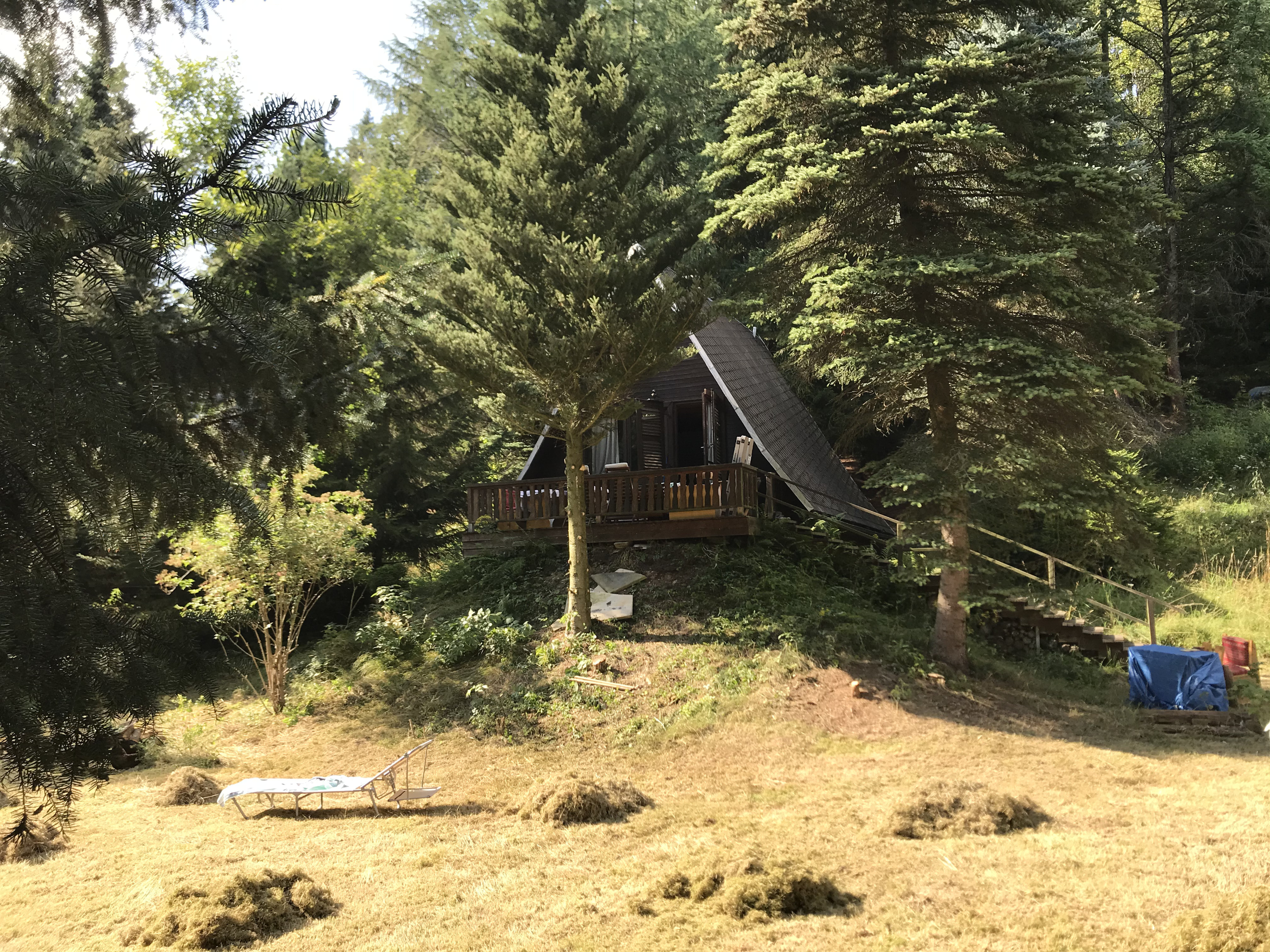
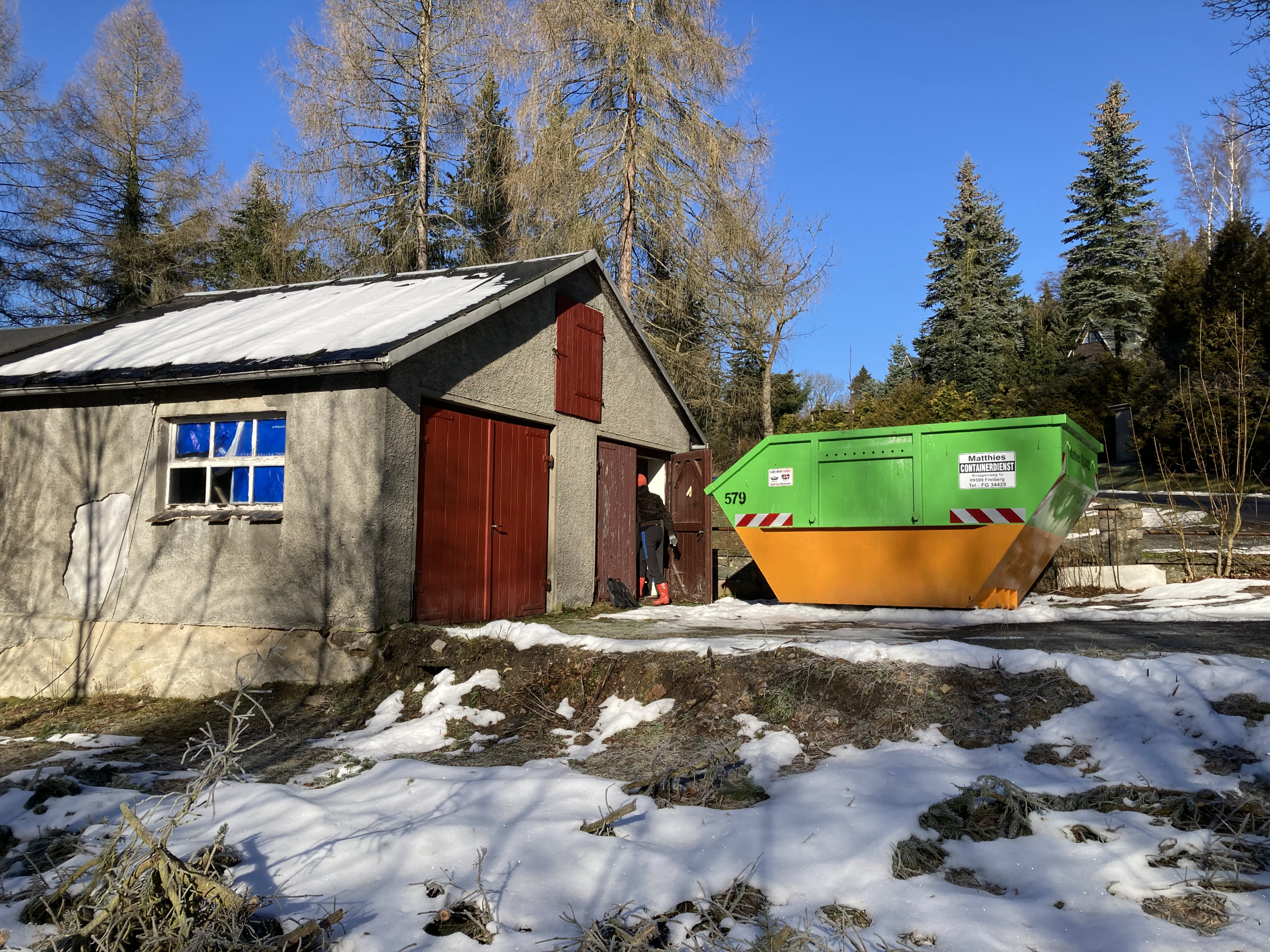
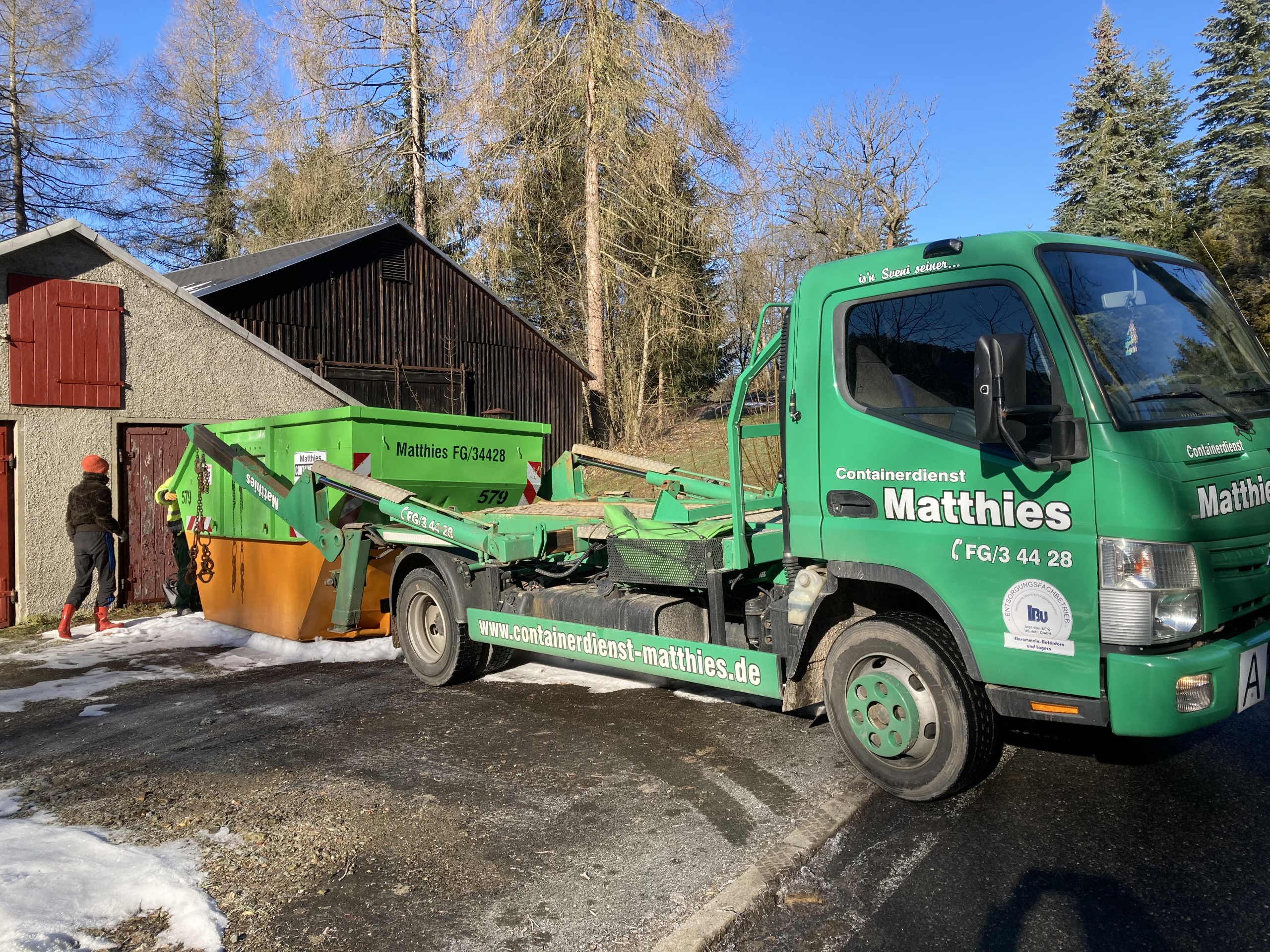
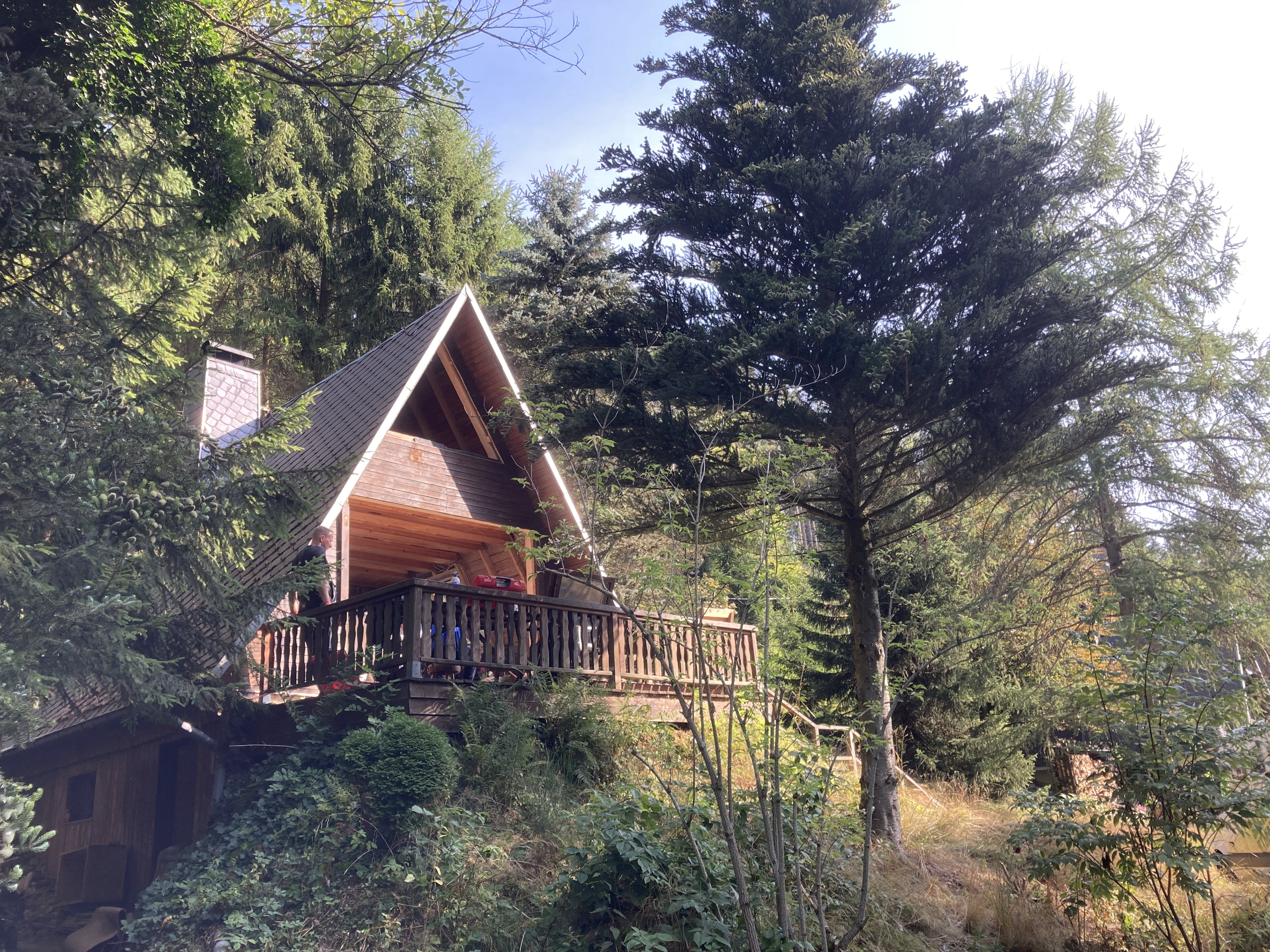
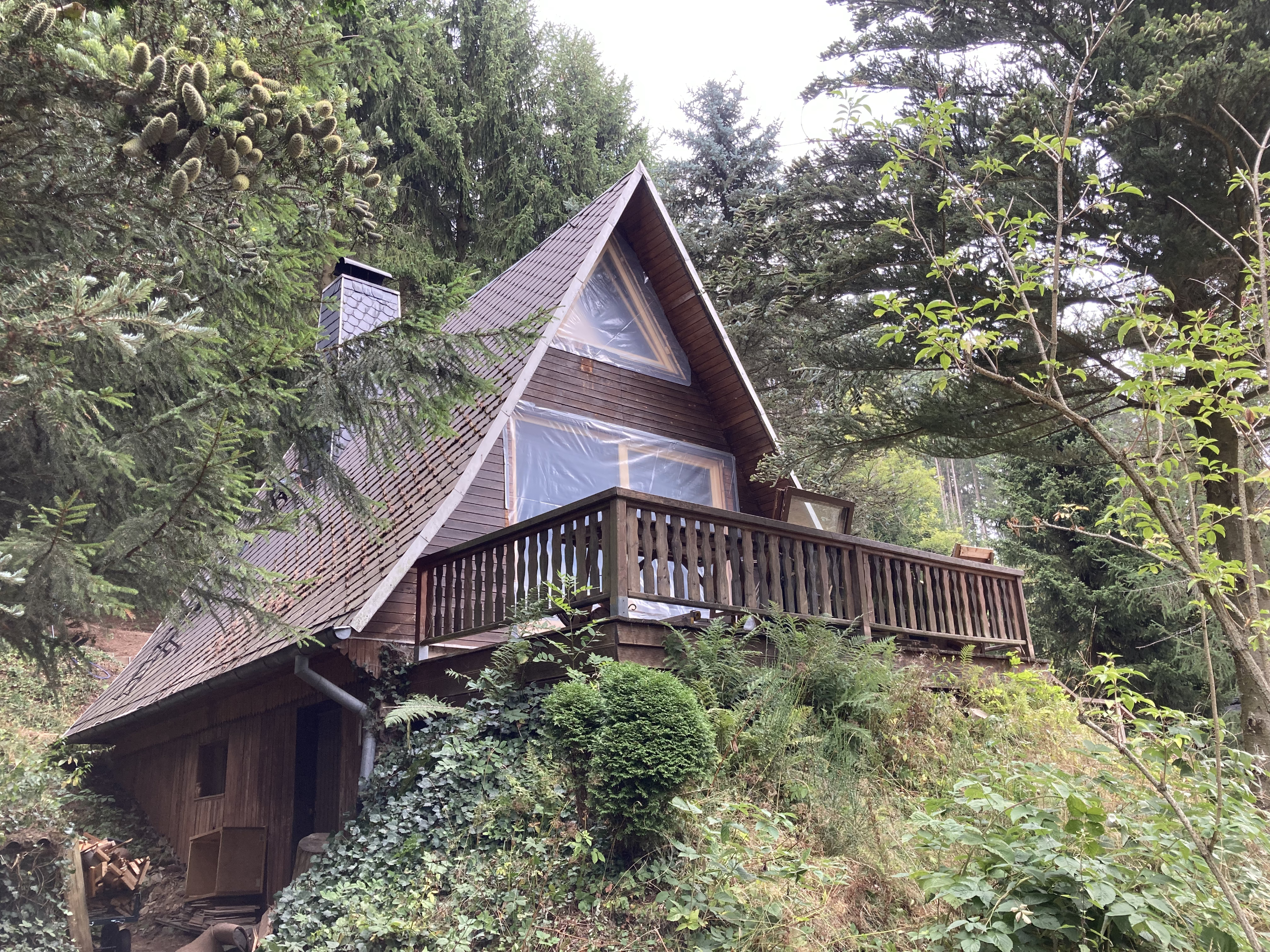
Hi, we're Tim and Uta, and we bought an East German A Frame finnhütte built in 1984 by a man with 2 left hands!

Our story

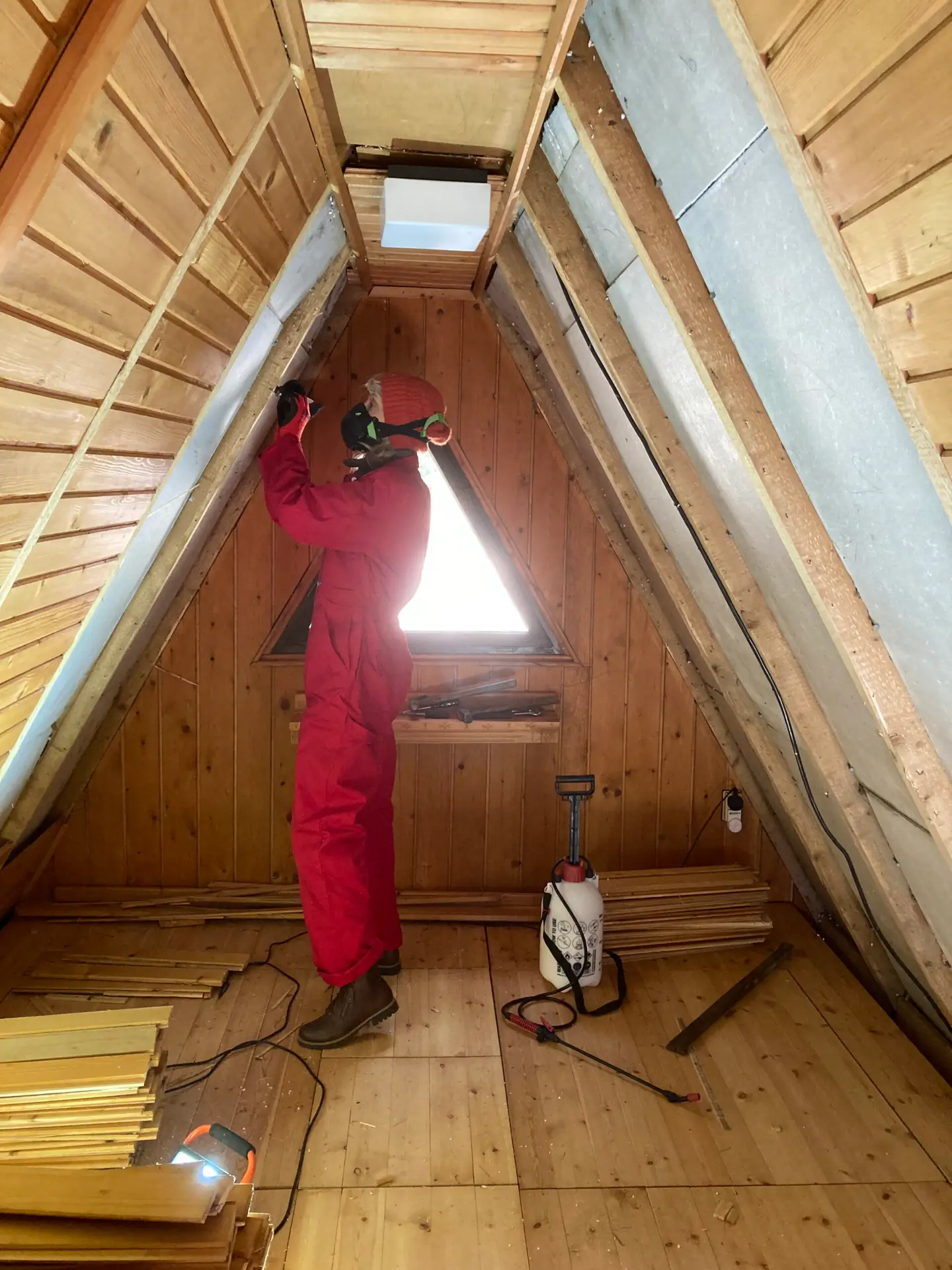
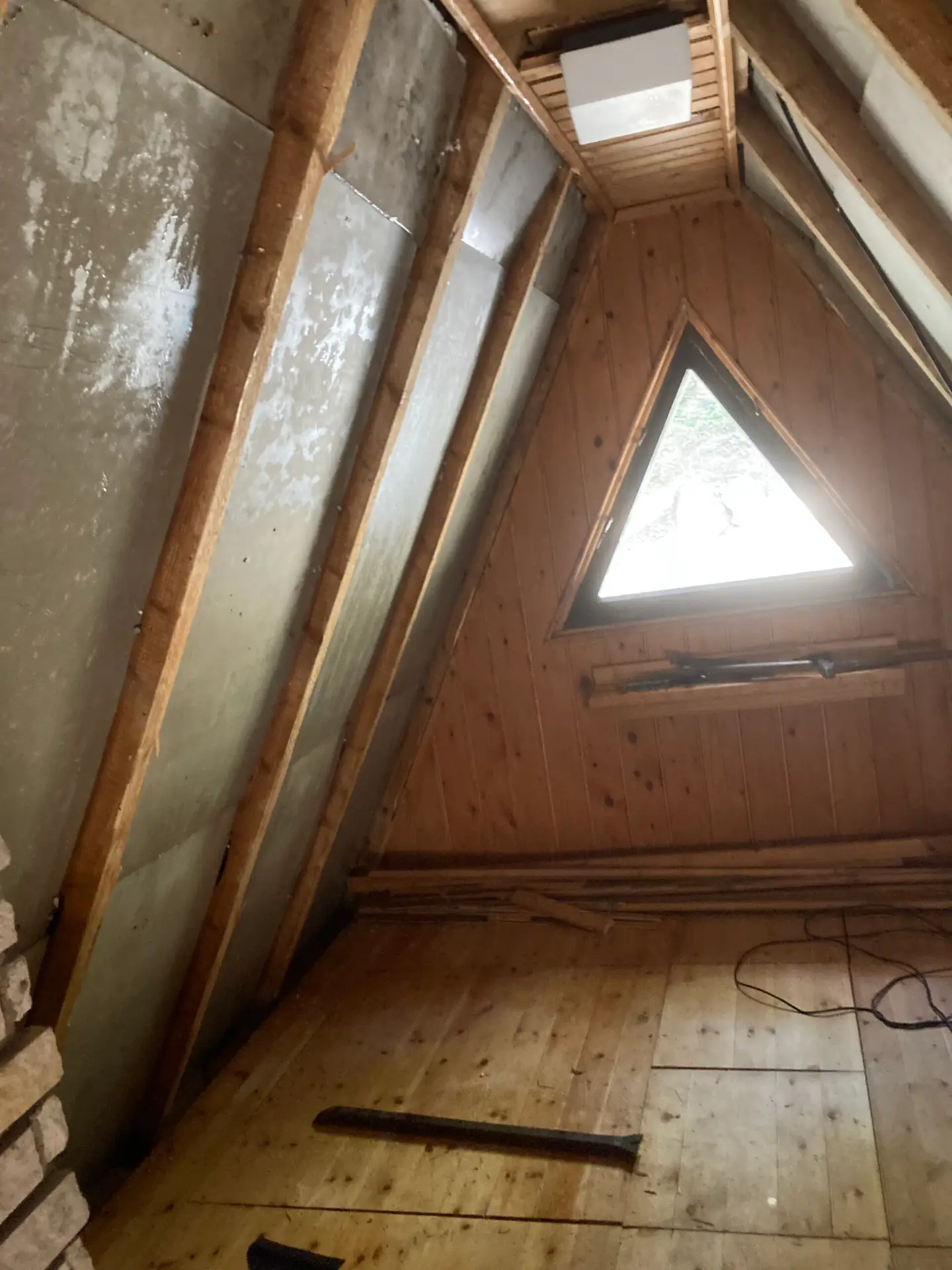
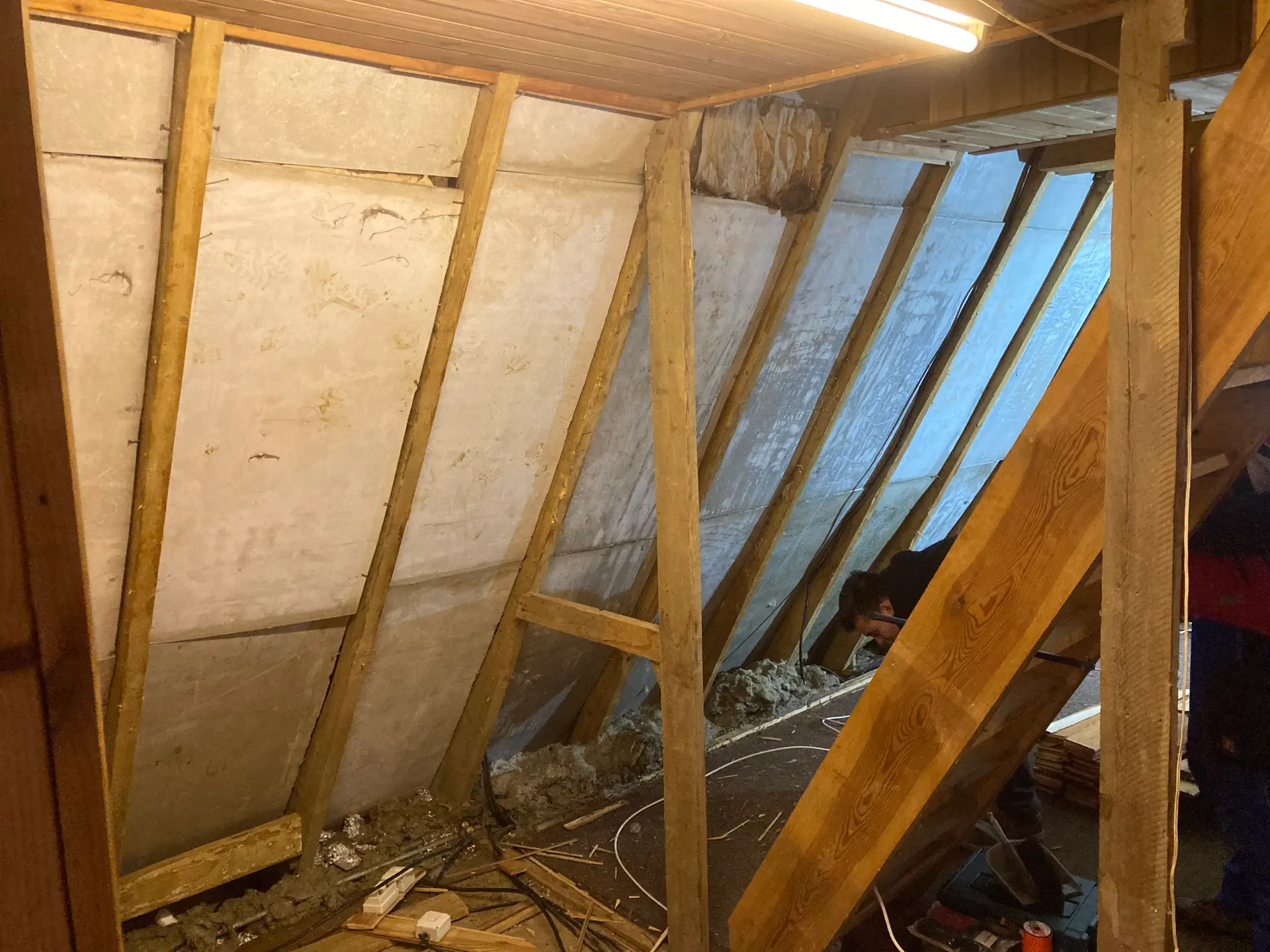
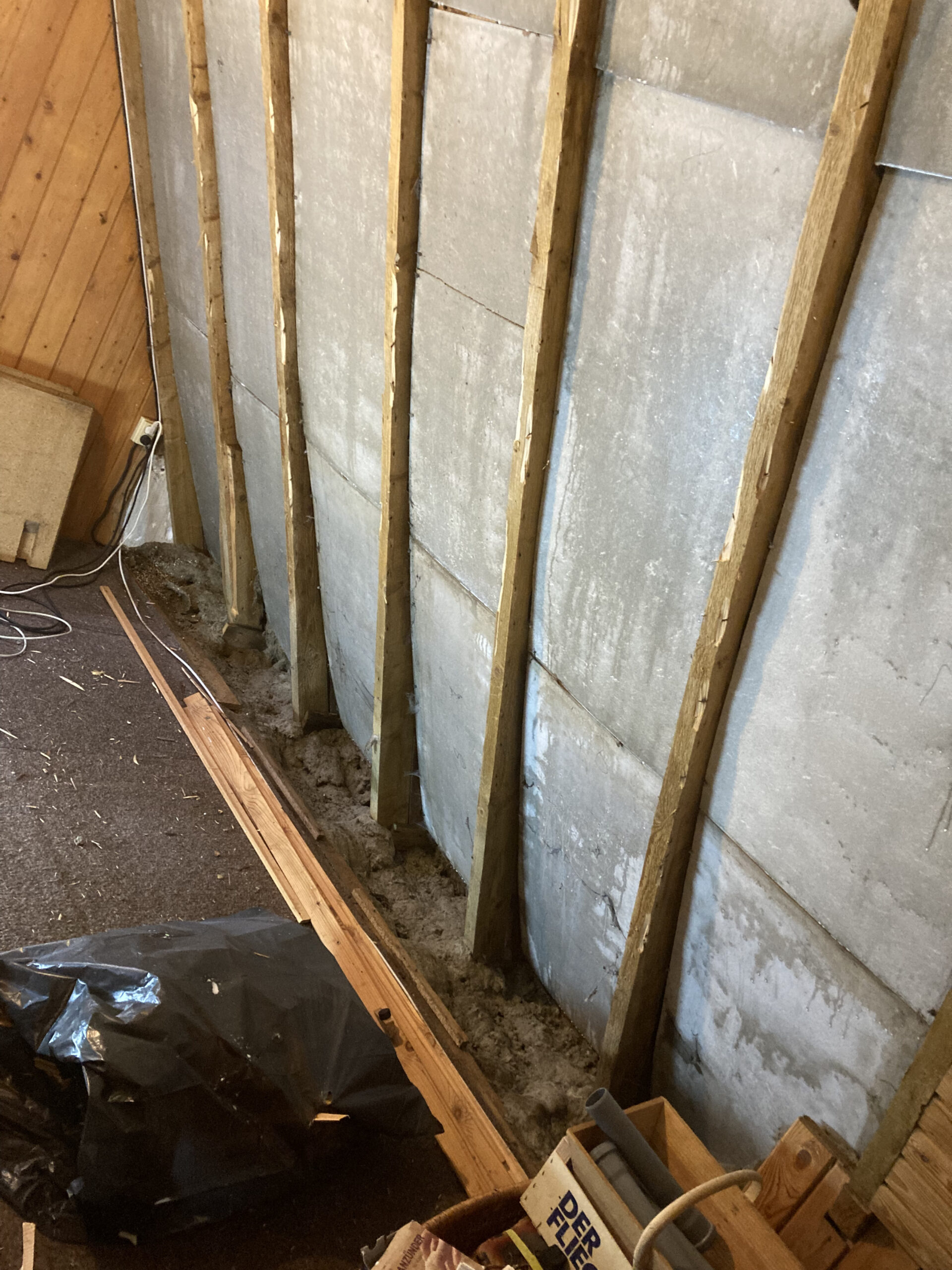
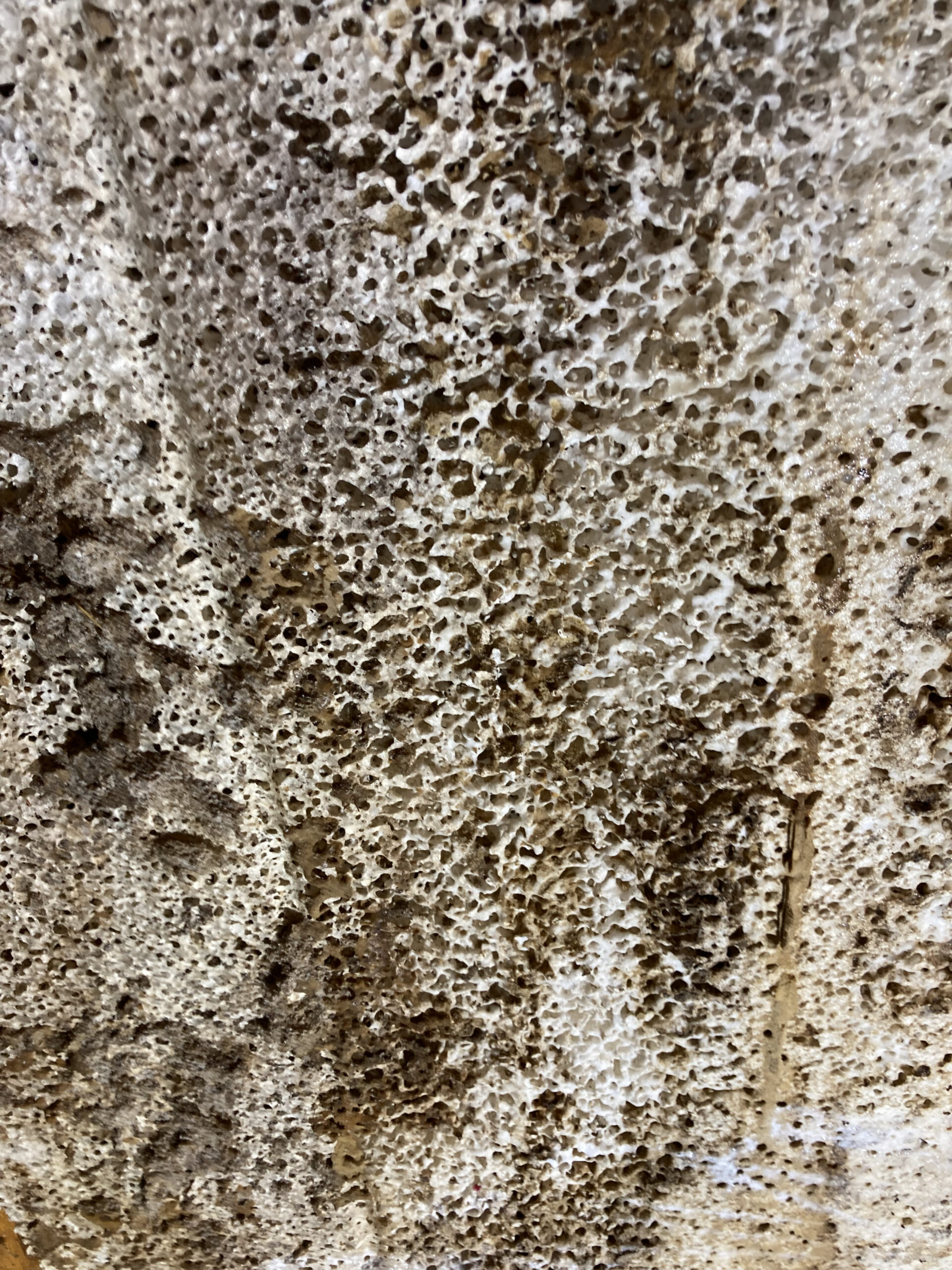
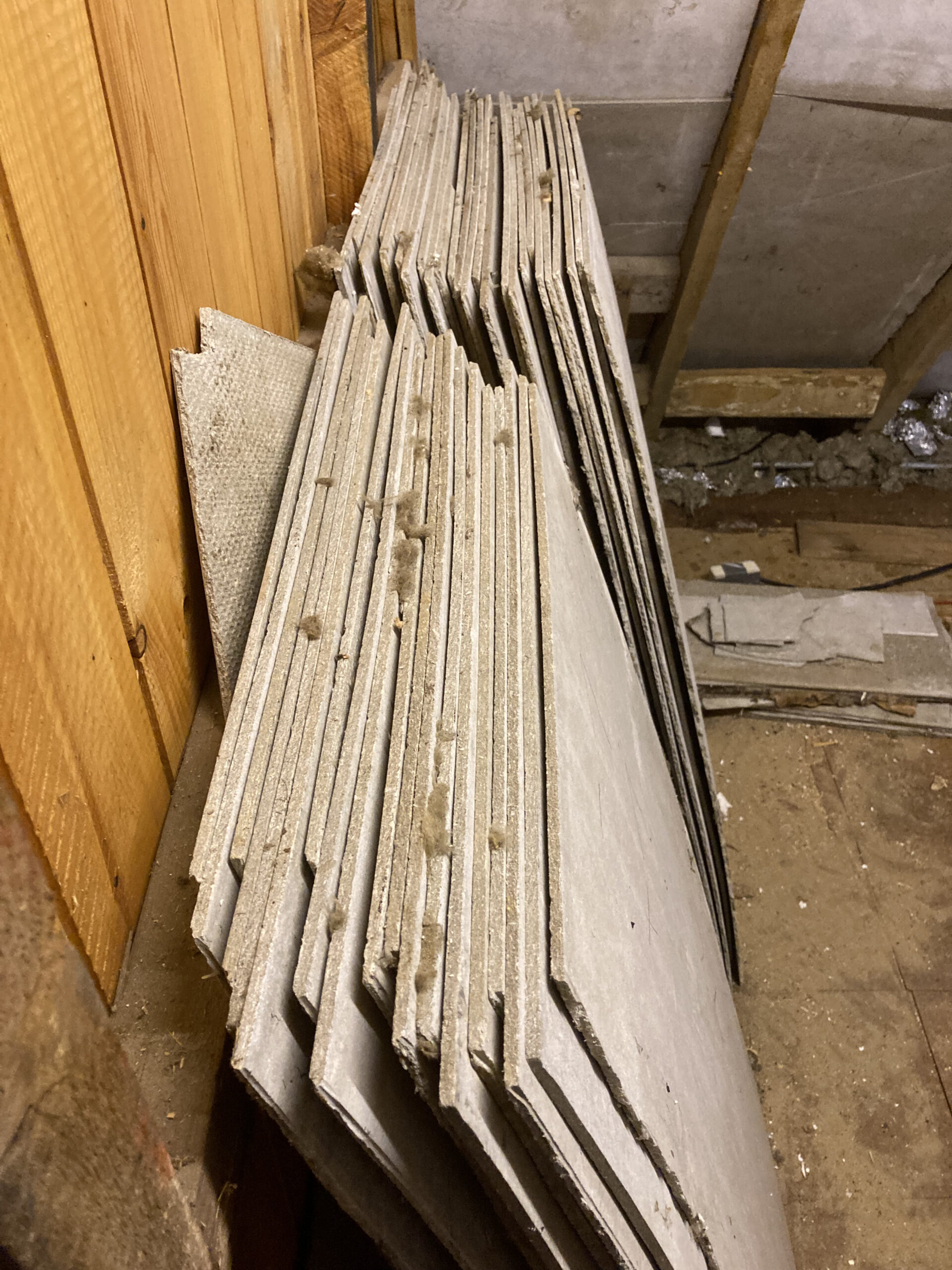
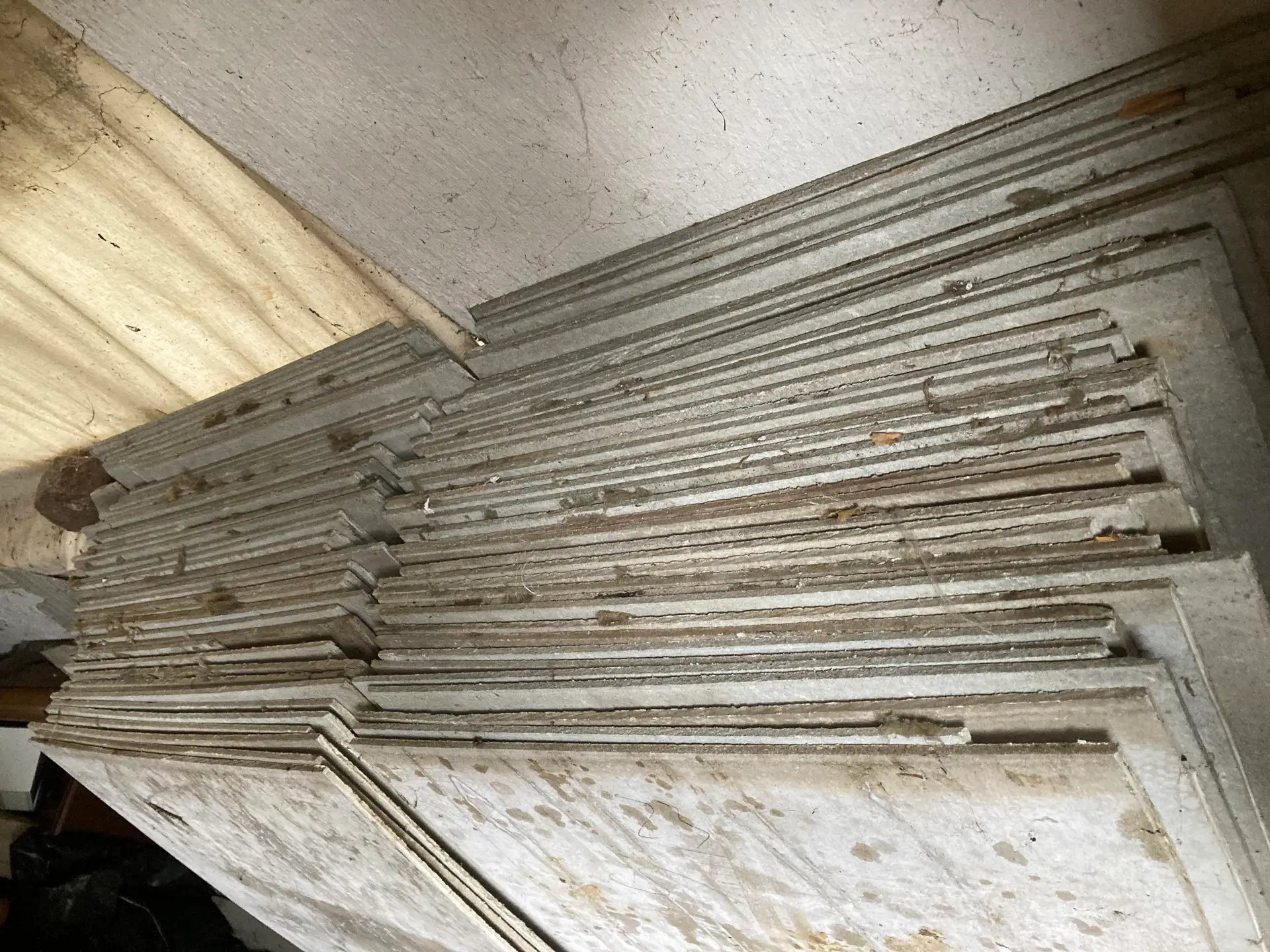
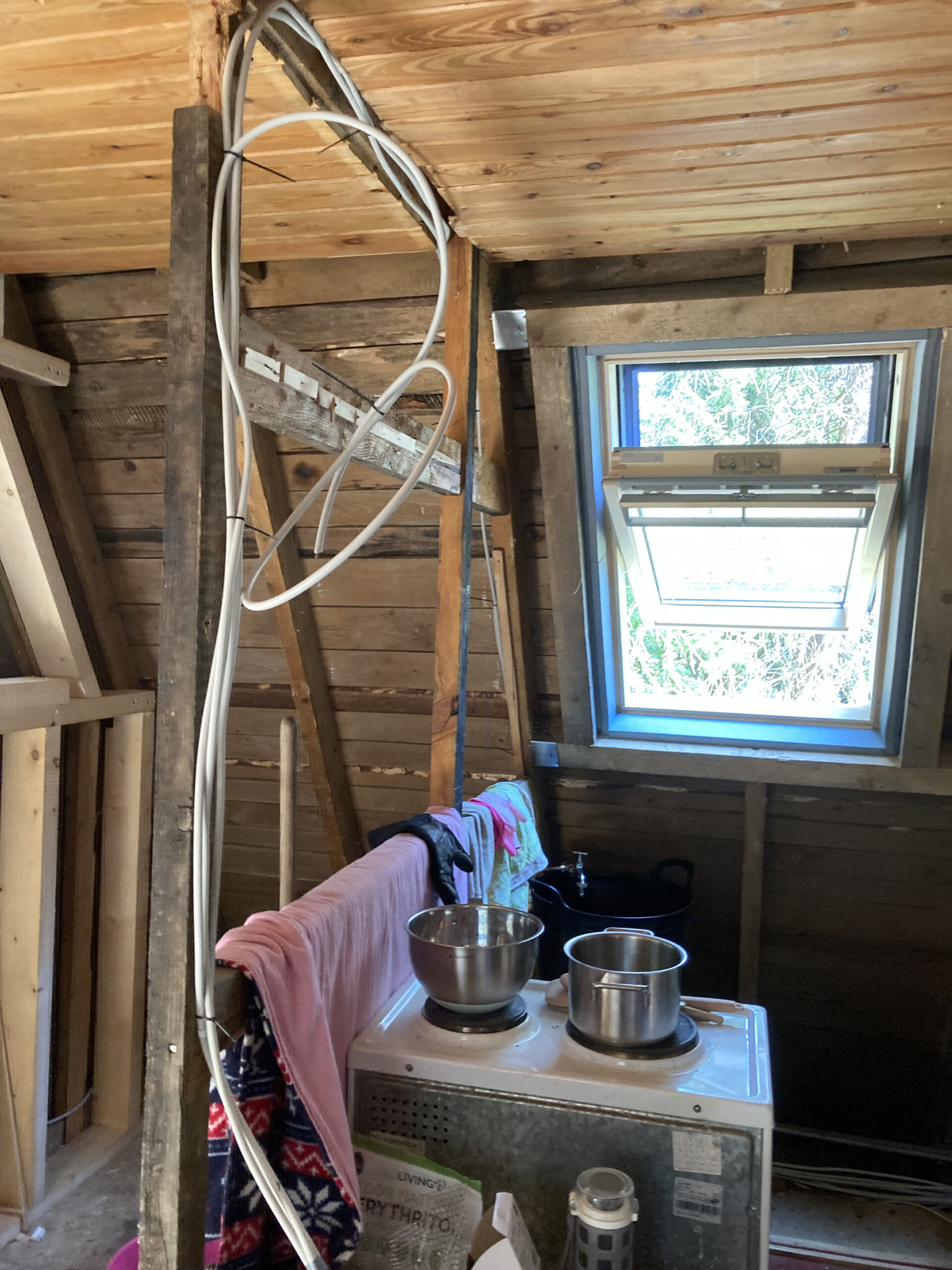
We bought this A-frame hut in the South East corner of Germany near the Czech Republic just as the pandemic hit in February 2020. We had to wait 6 months before we could travel again and get out to our little hut in nature. We arrived full of expectation and hoped to just paint walls, install a new kitchen and update a few very outdated aspects, but our enthusiasm to get going soon came to a grinding halt when we discovered the entire roof was lined with asbestos plates. We had not been made aware of this by the seller so were somewhat peeved that we’d bought a lovely woodland hut with a severe health risk attached. 

Break it to make it

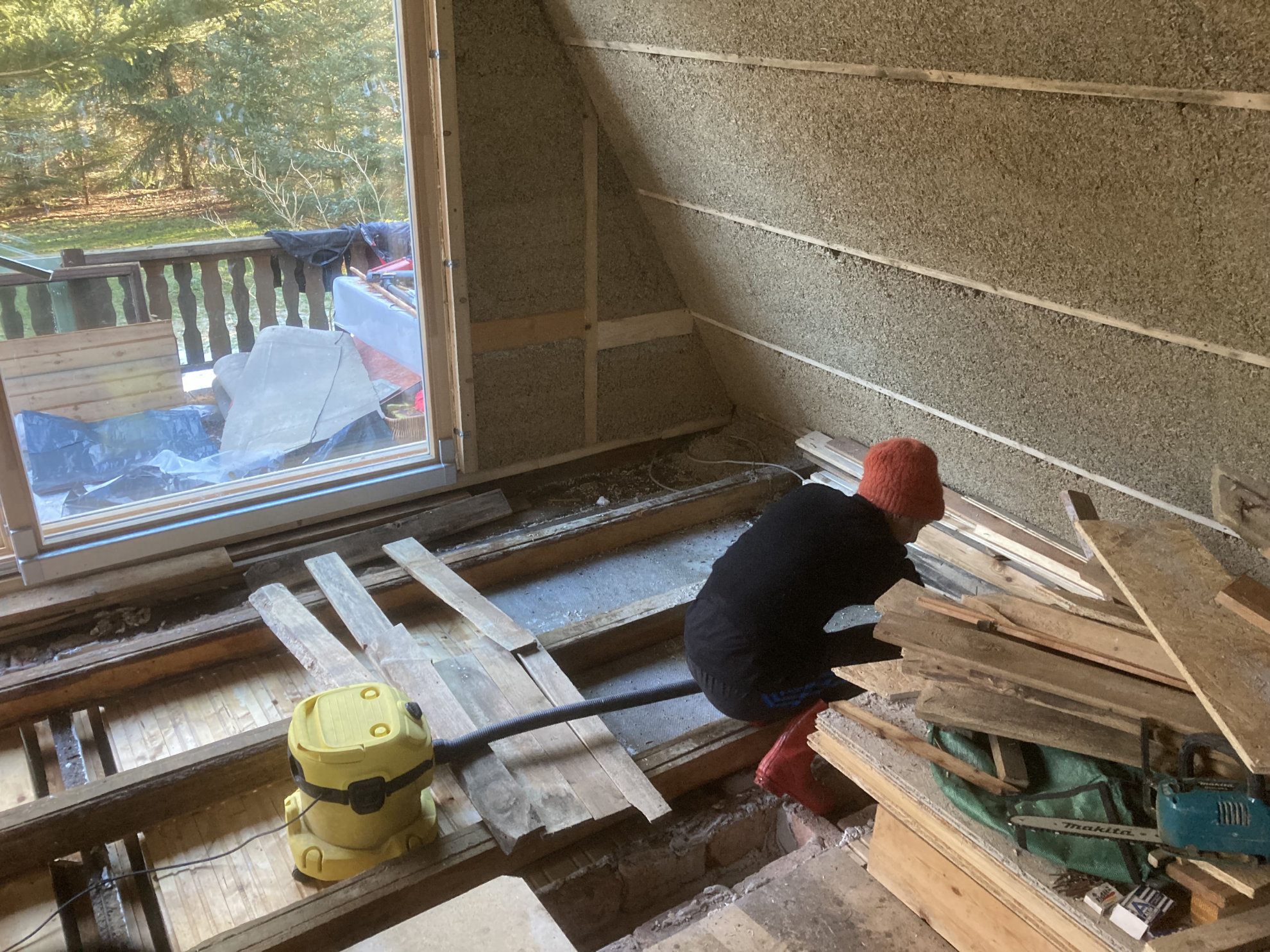
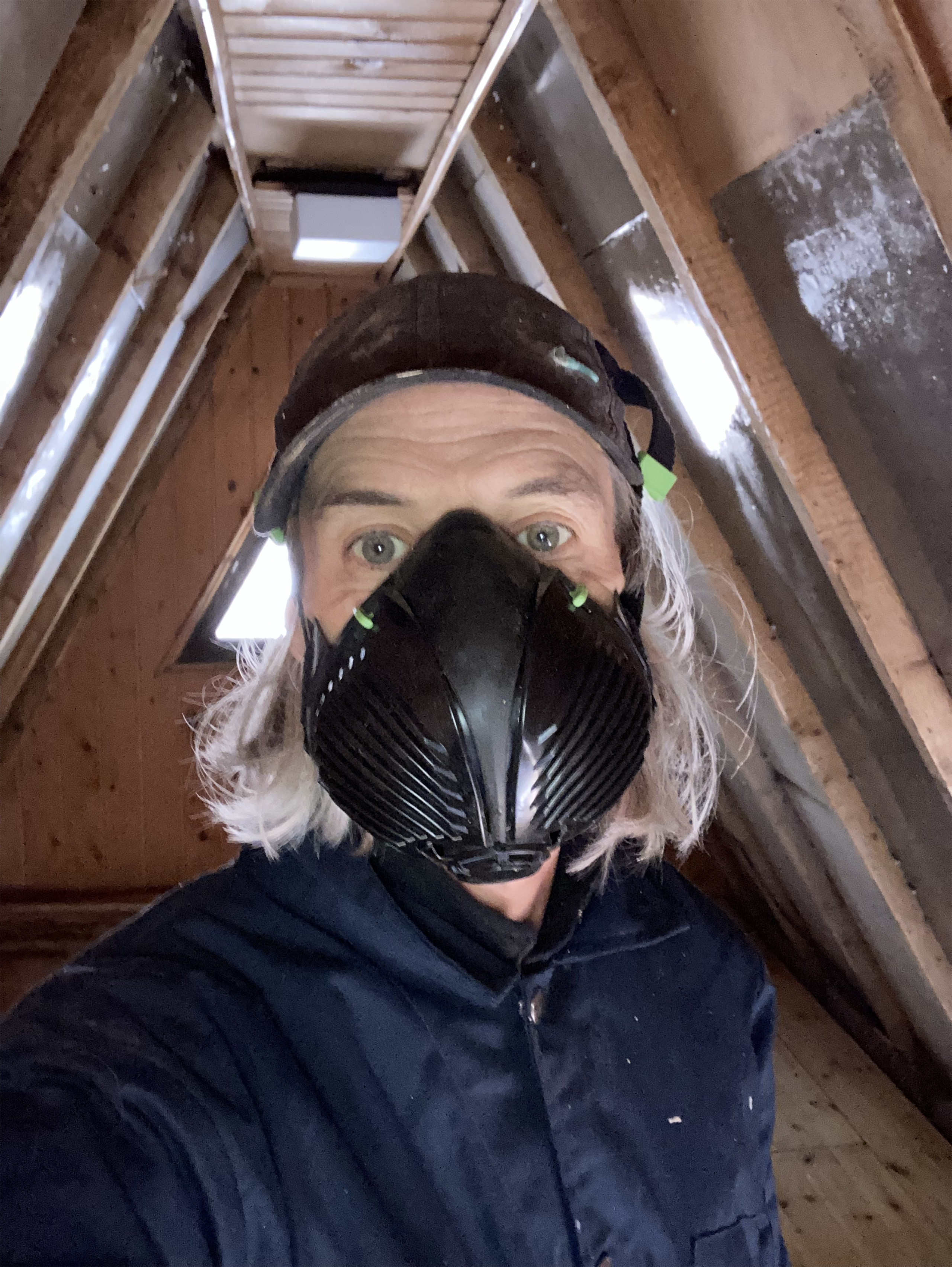
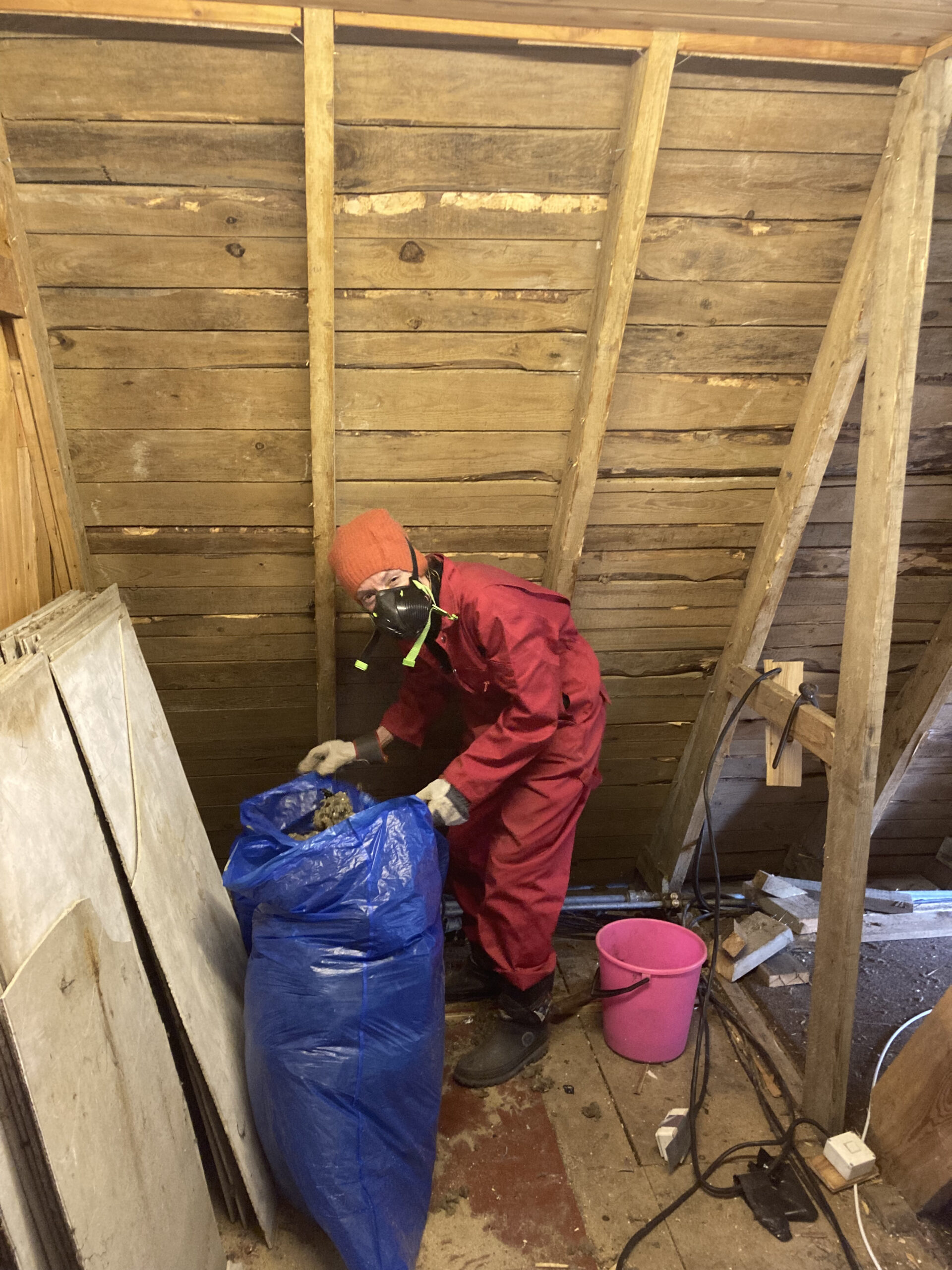
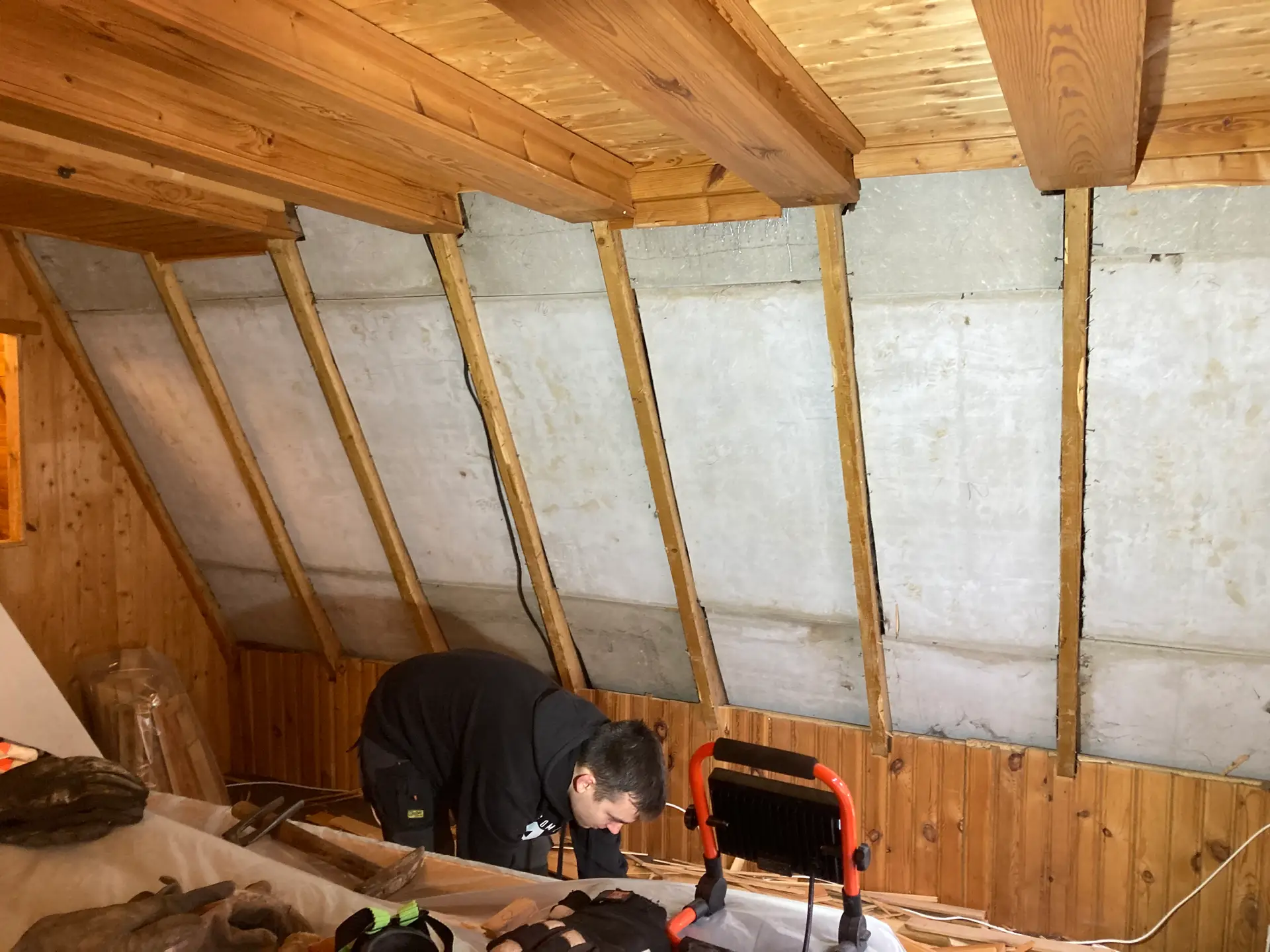
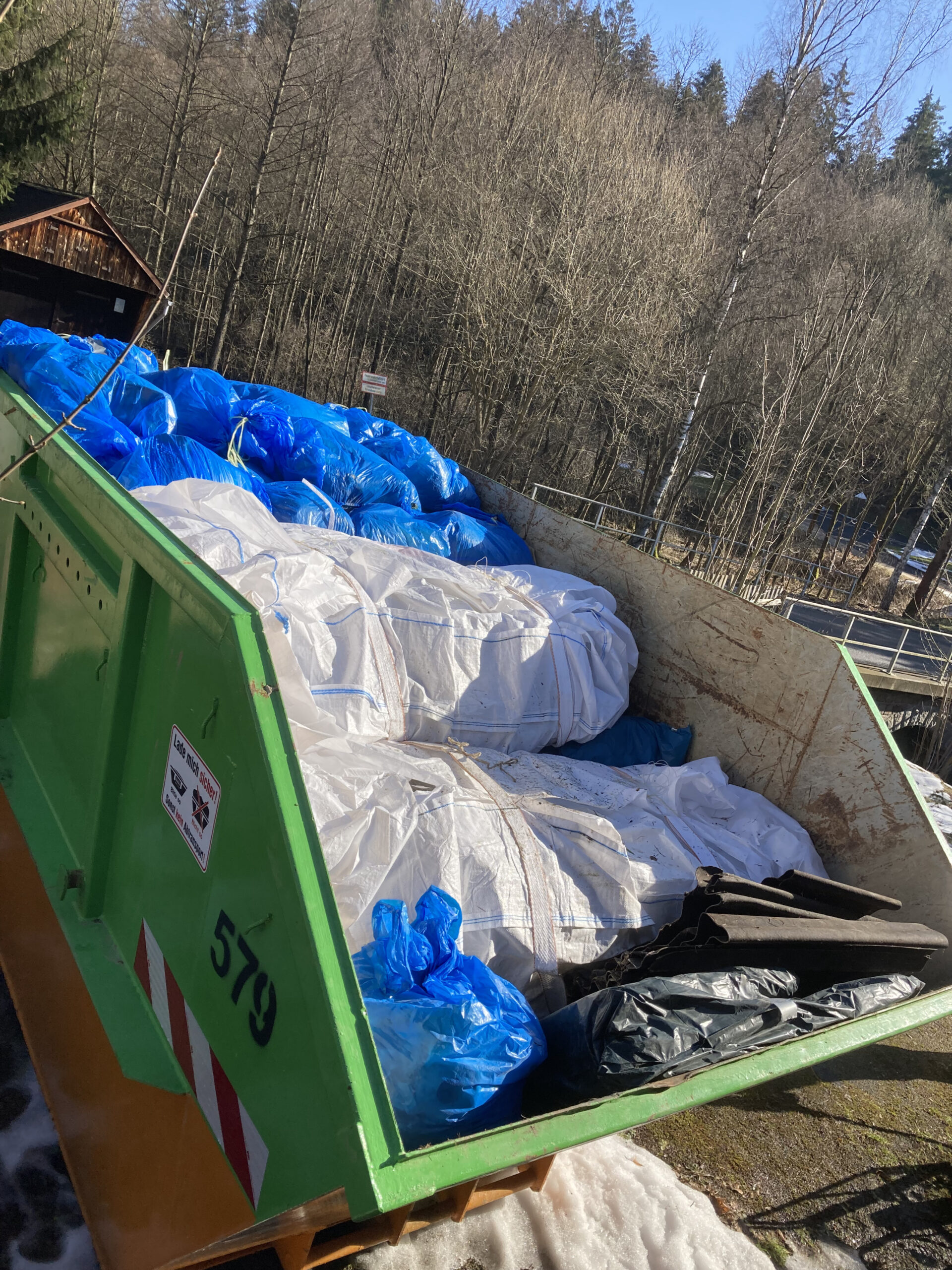
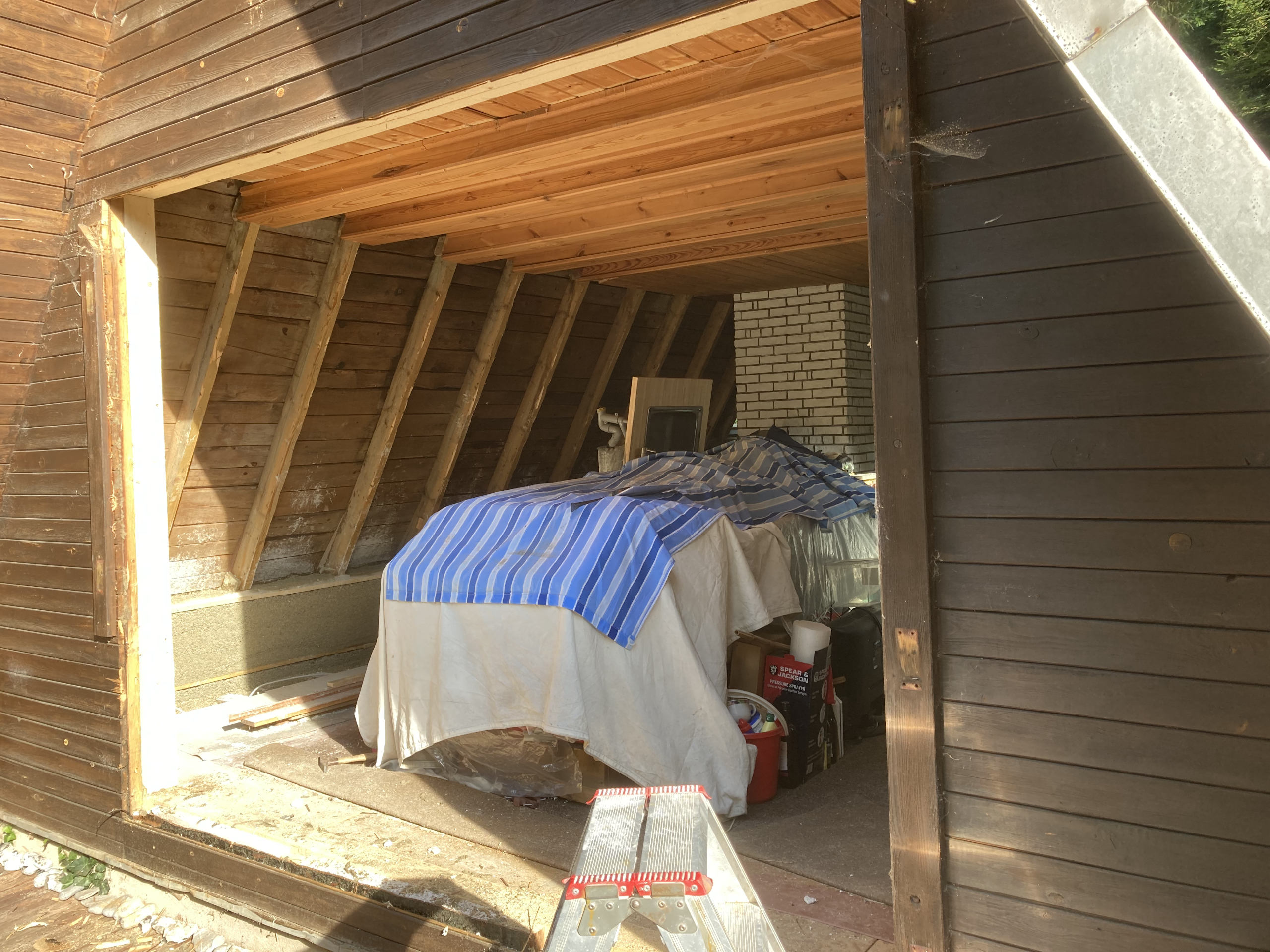
We decided after much deliberation and advice from family, friends and experts to pull out all the asbestos plates form the inside. This was by far the easiest solution but it took allot of time and energy with taking the right precautions and finding out how to dispose of it responsibly.

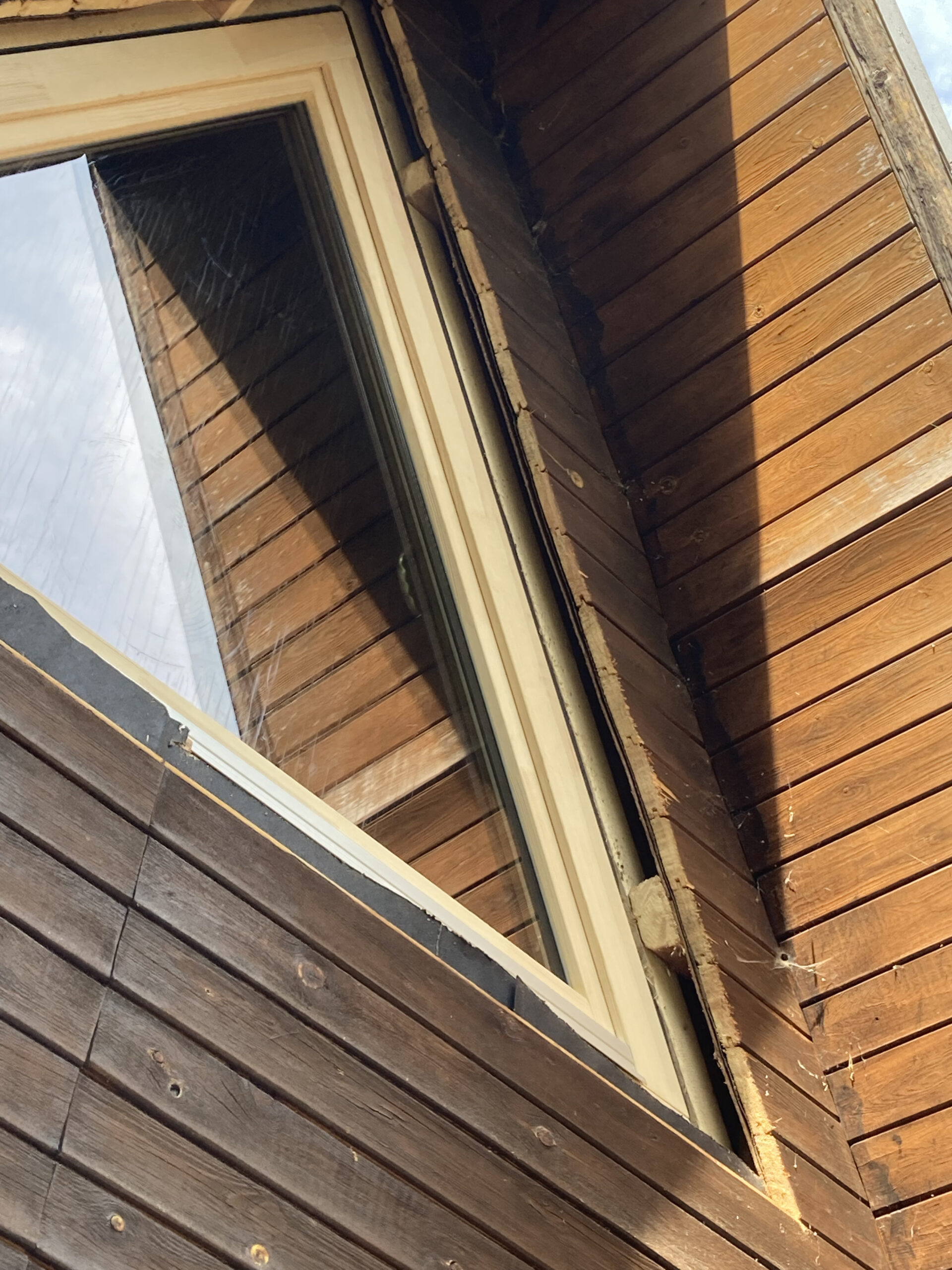
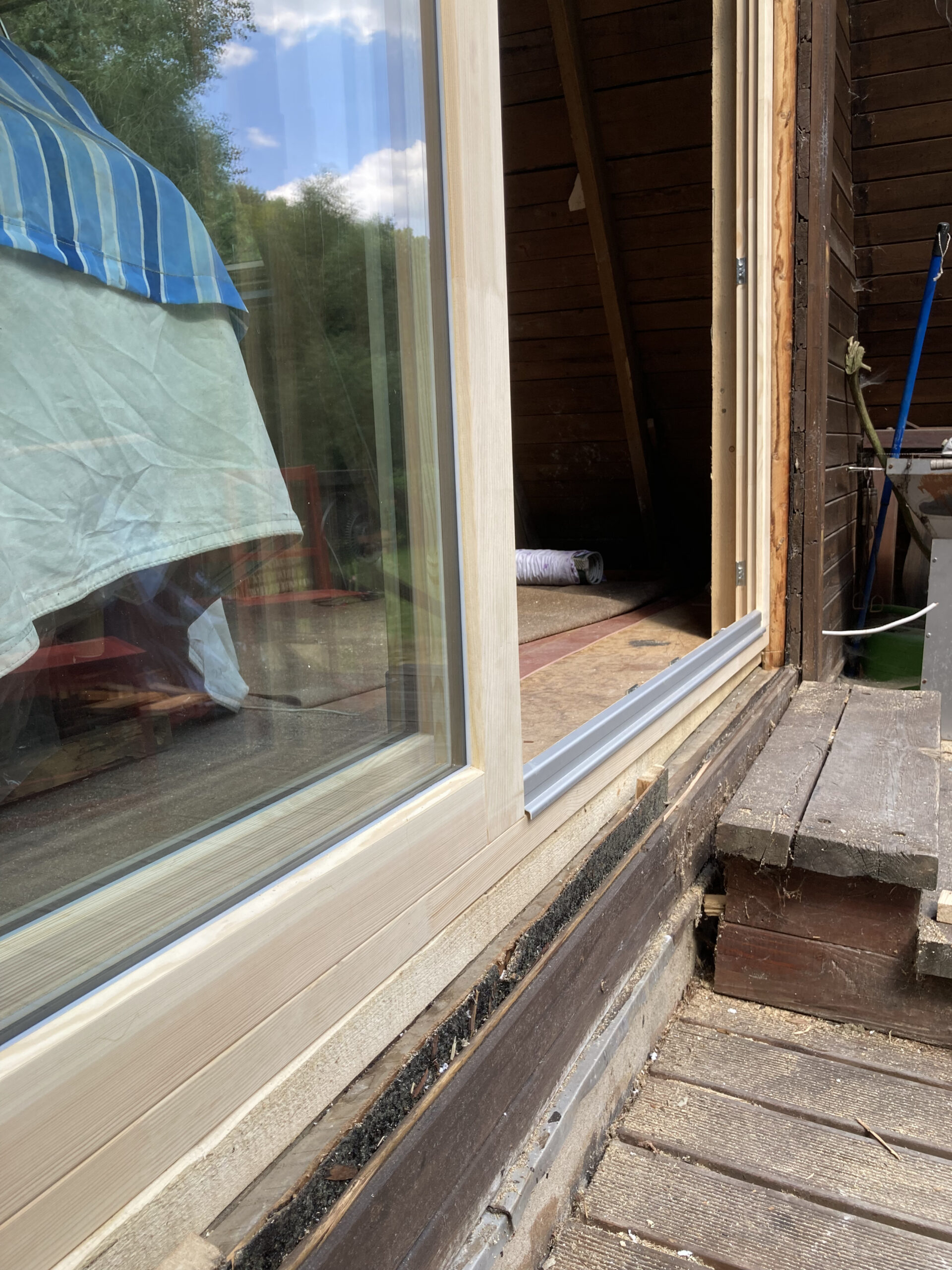
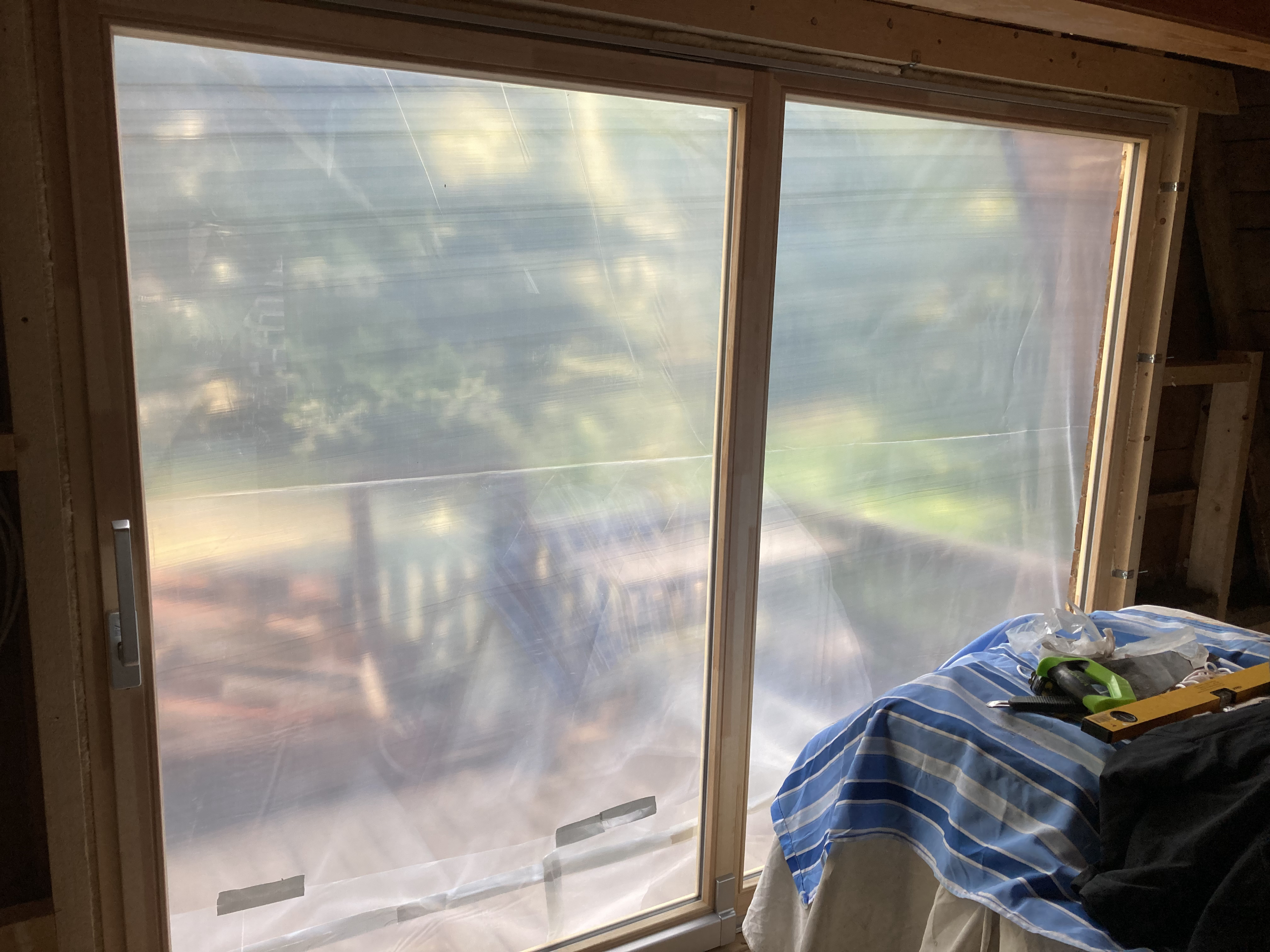
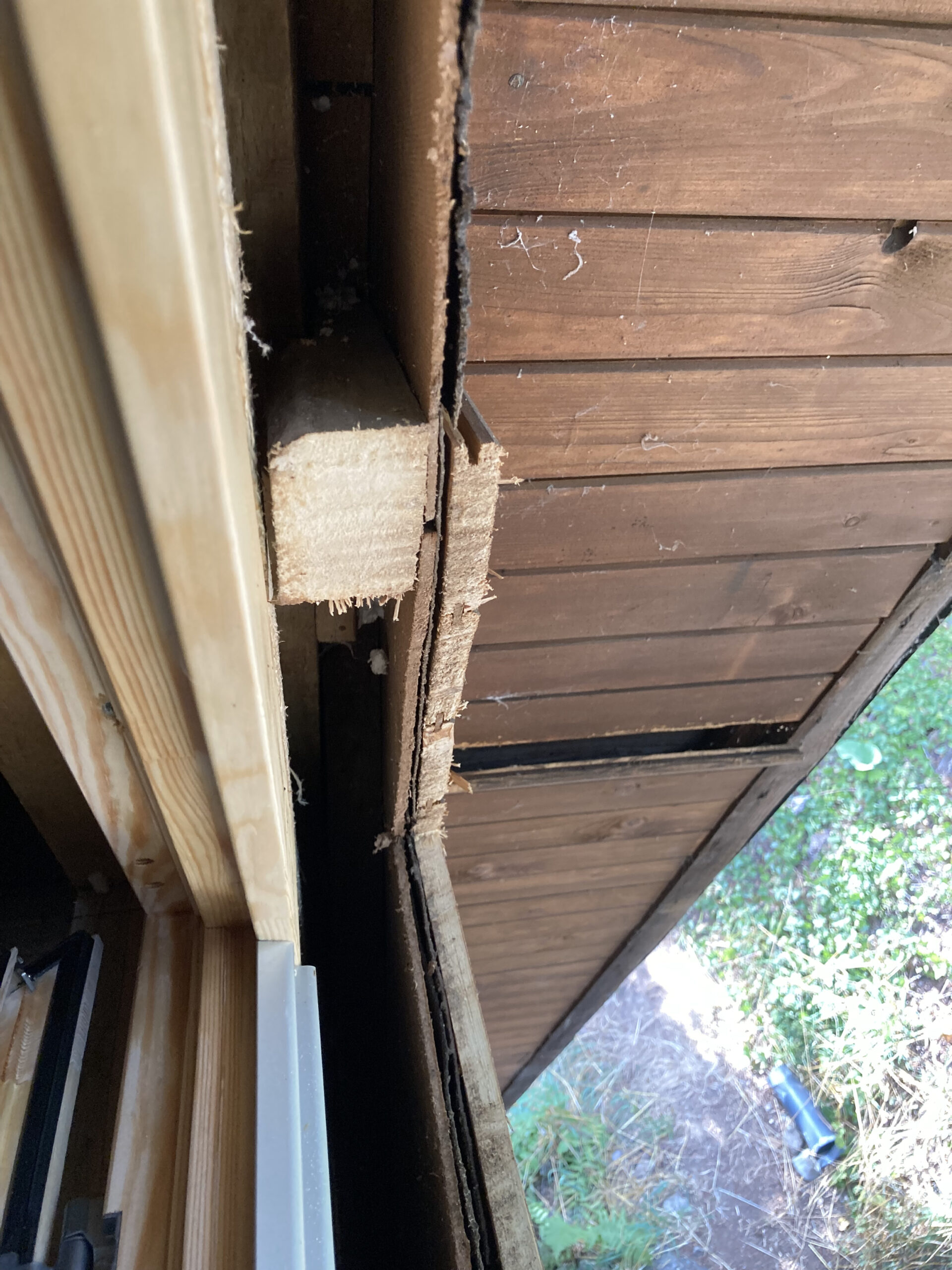
Velux window installation and preparing framework for new wooden windows and balcony door

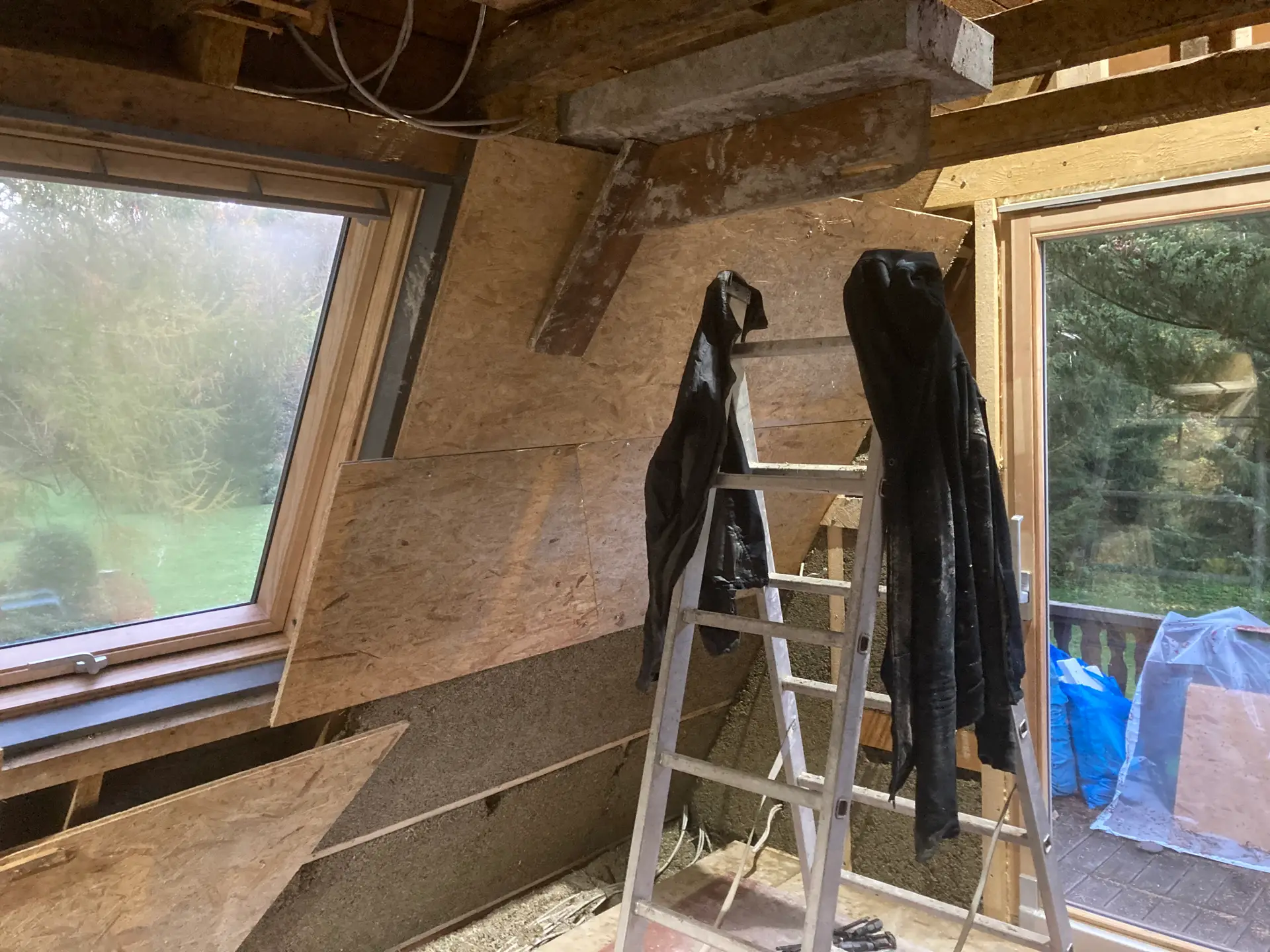
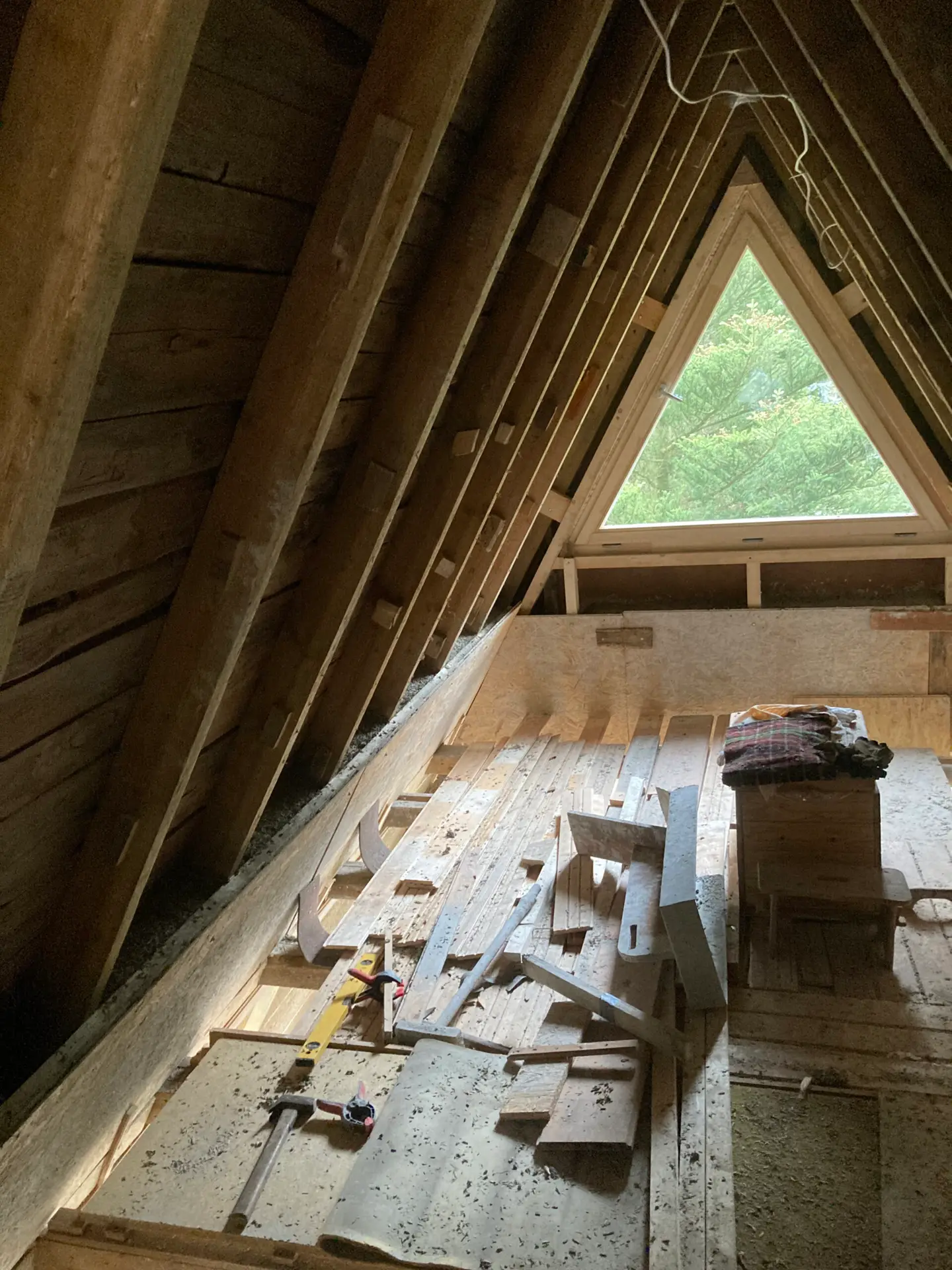
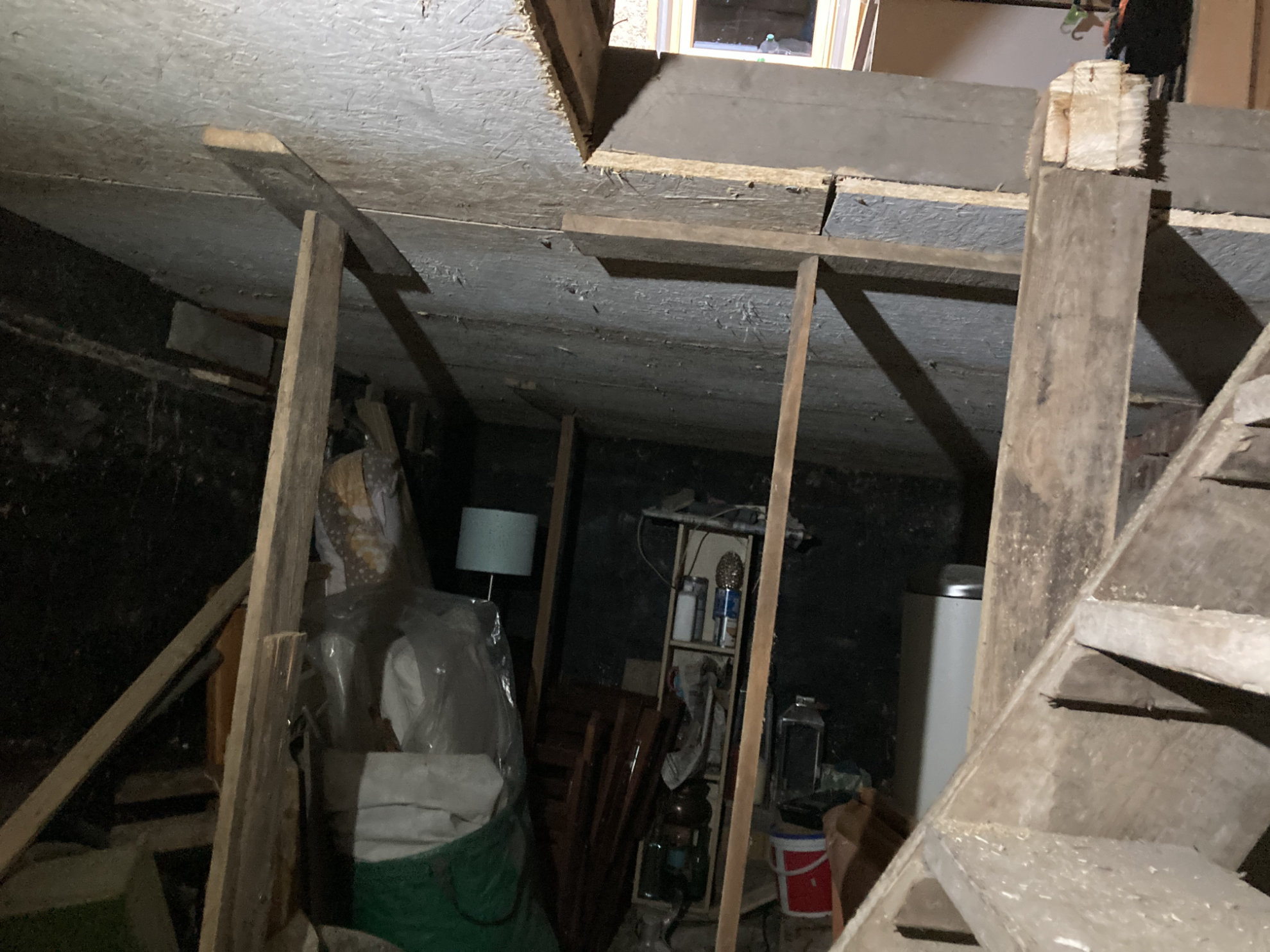
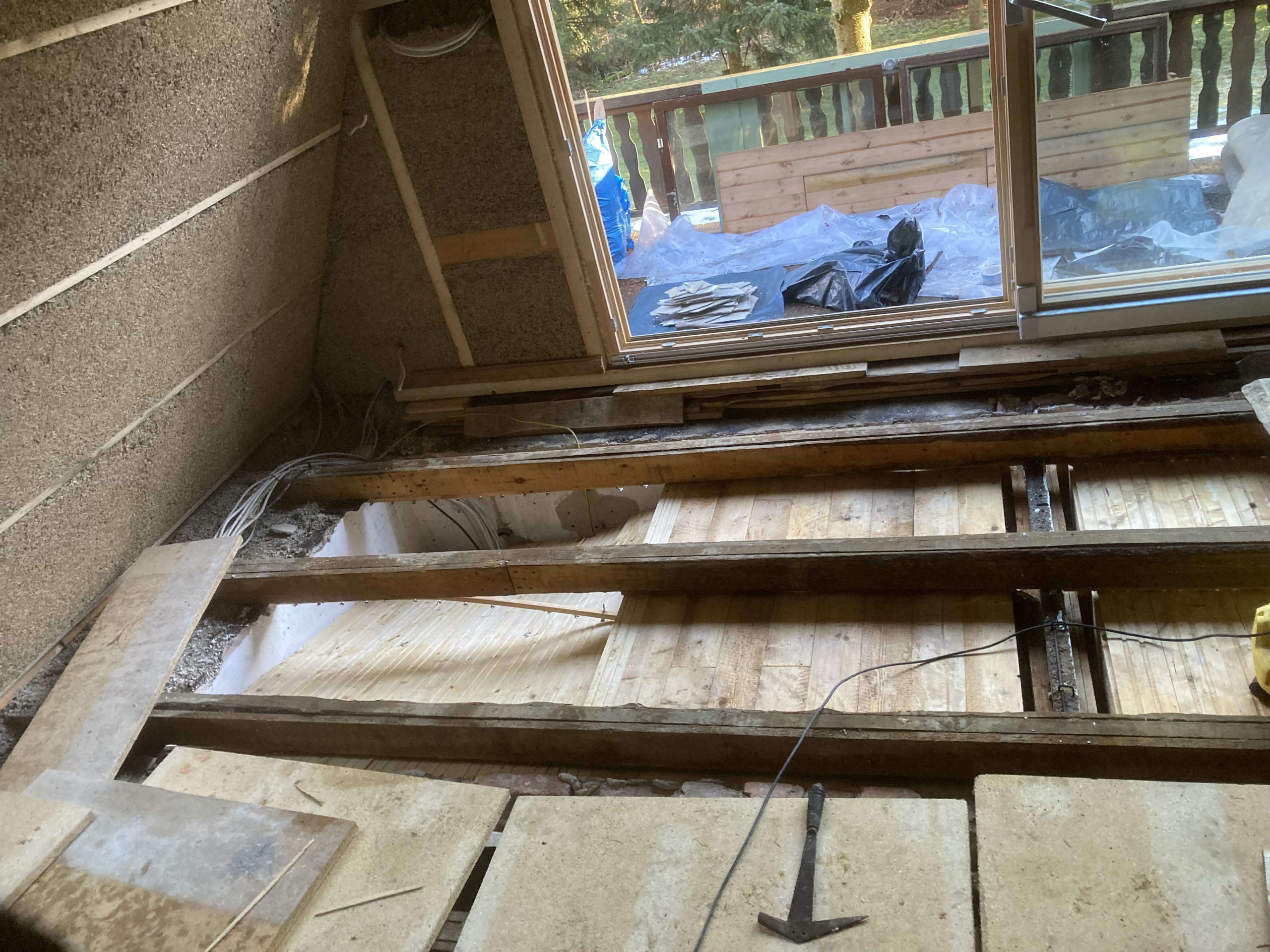
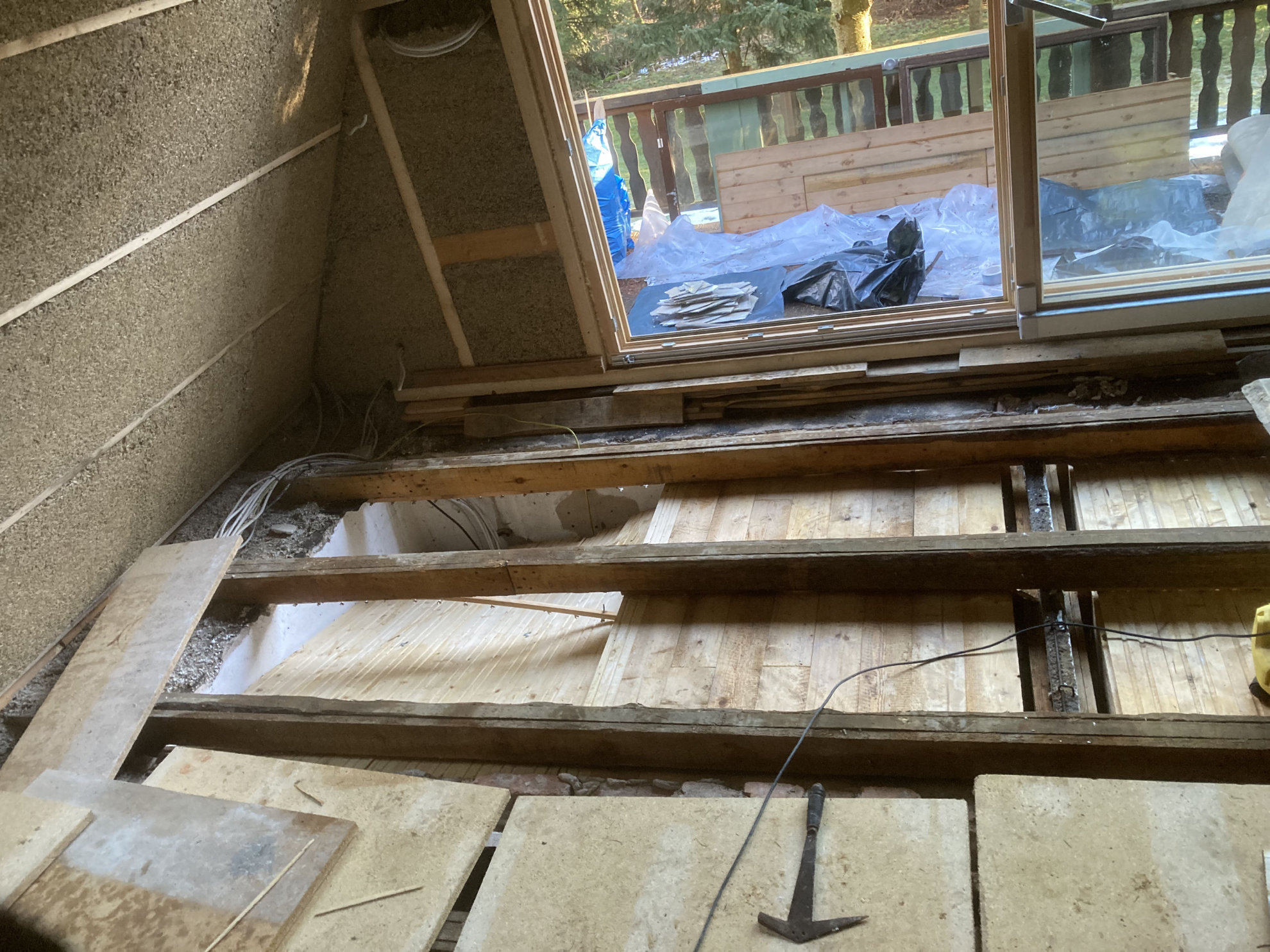
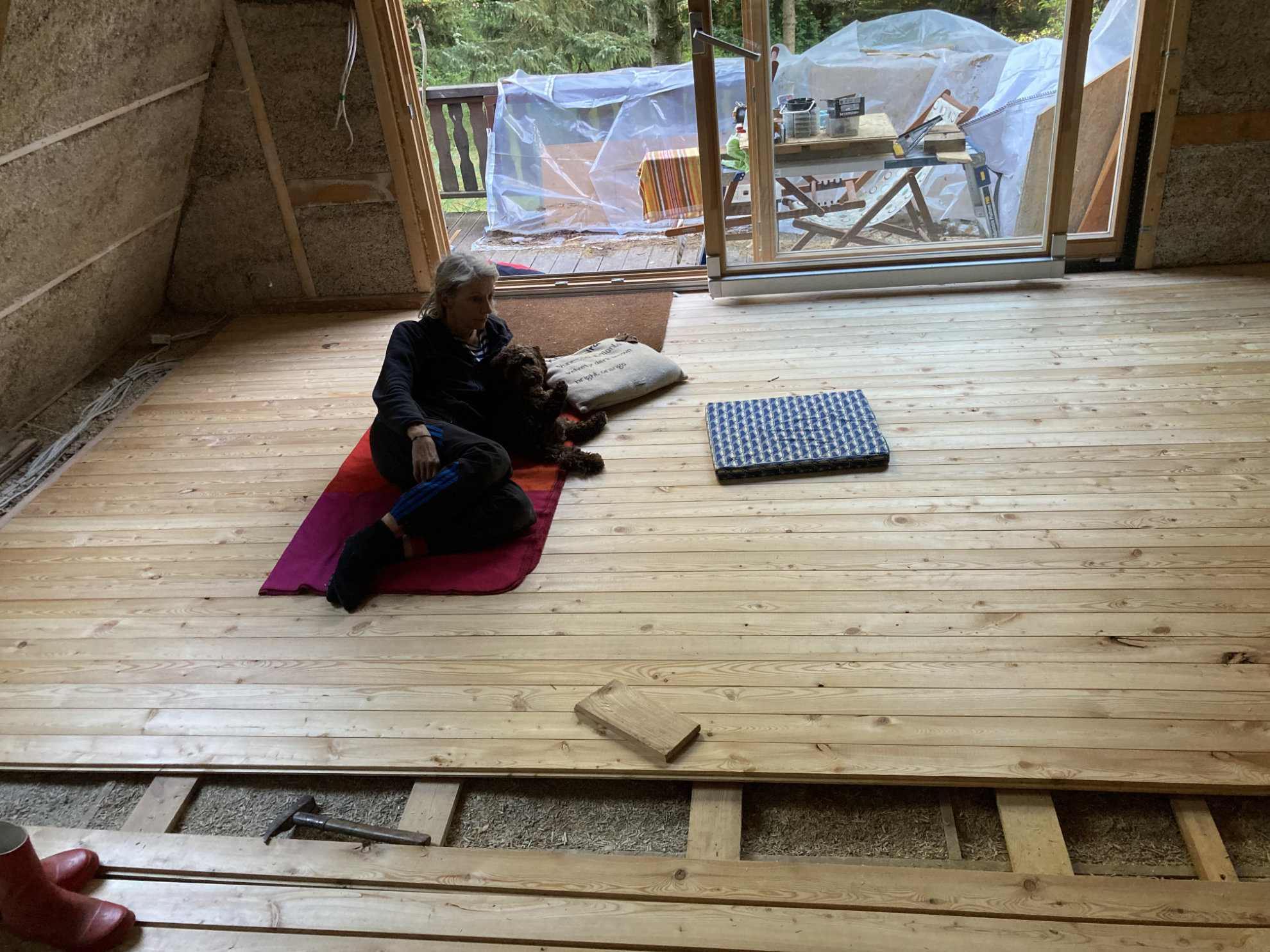
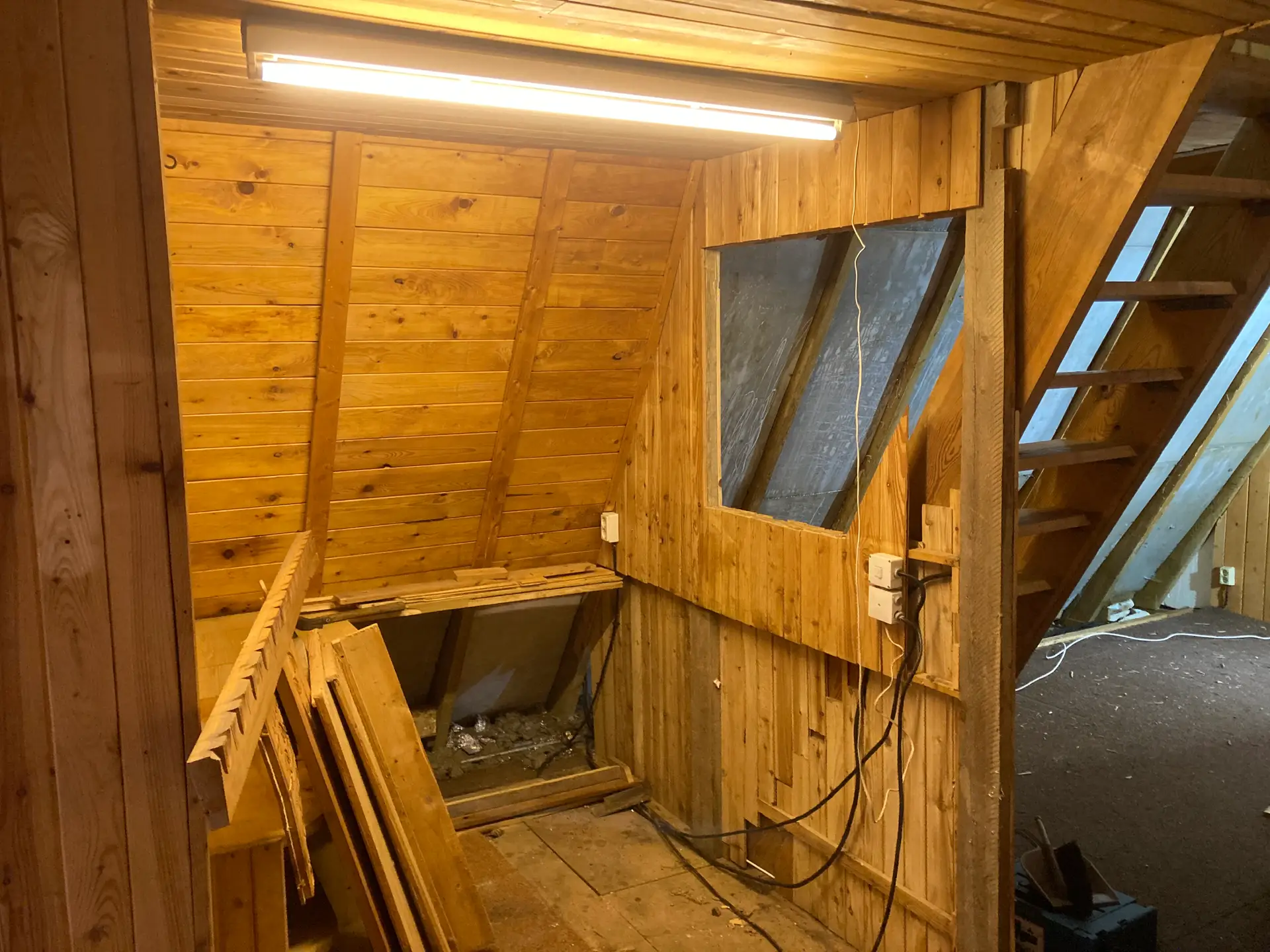
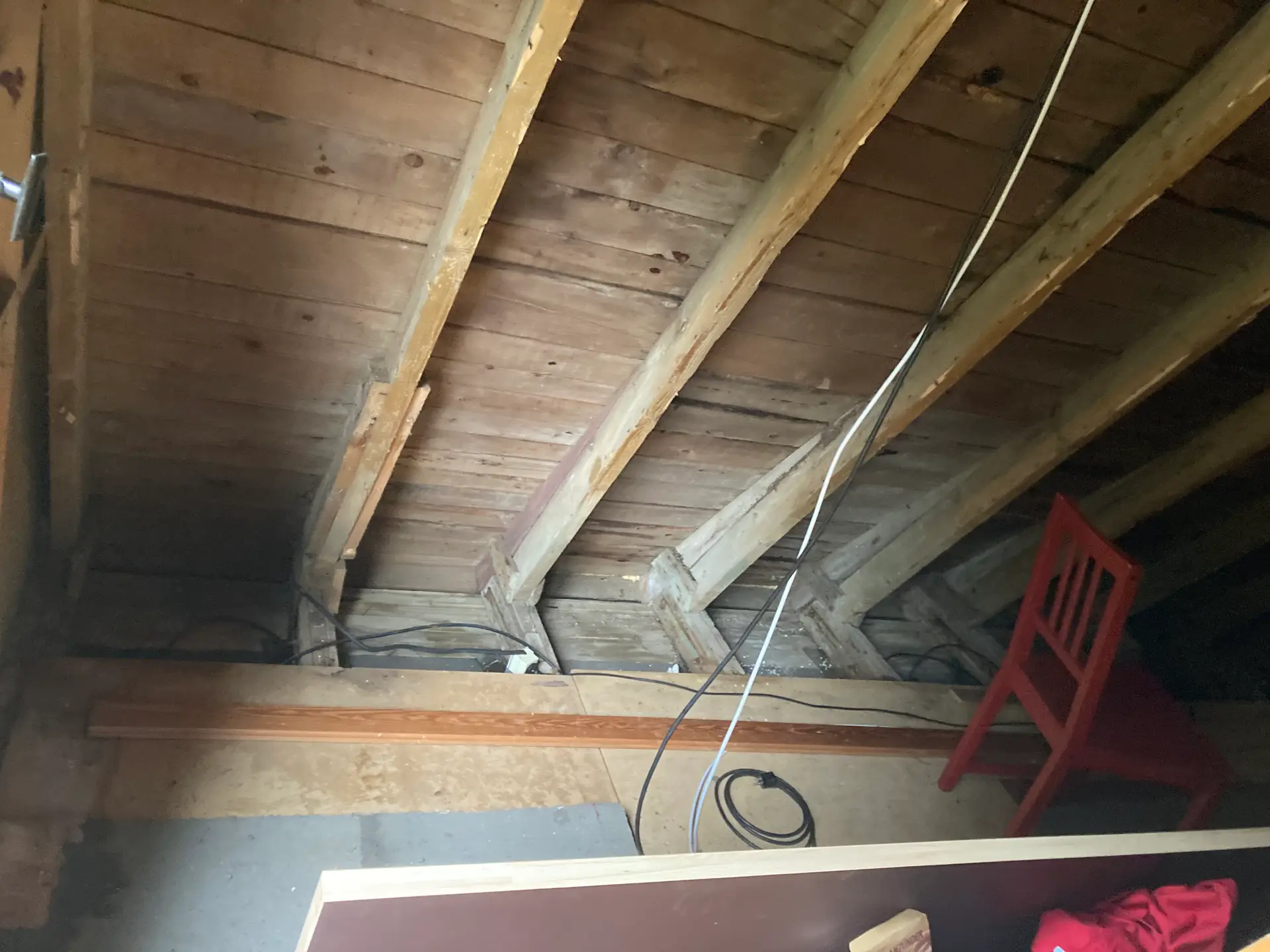
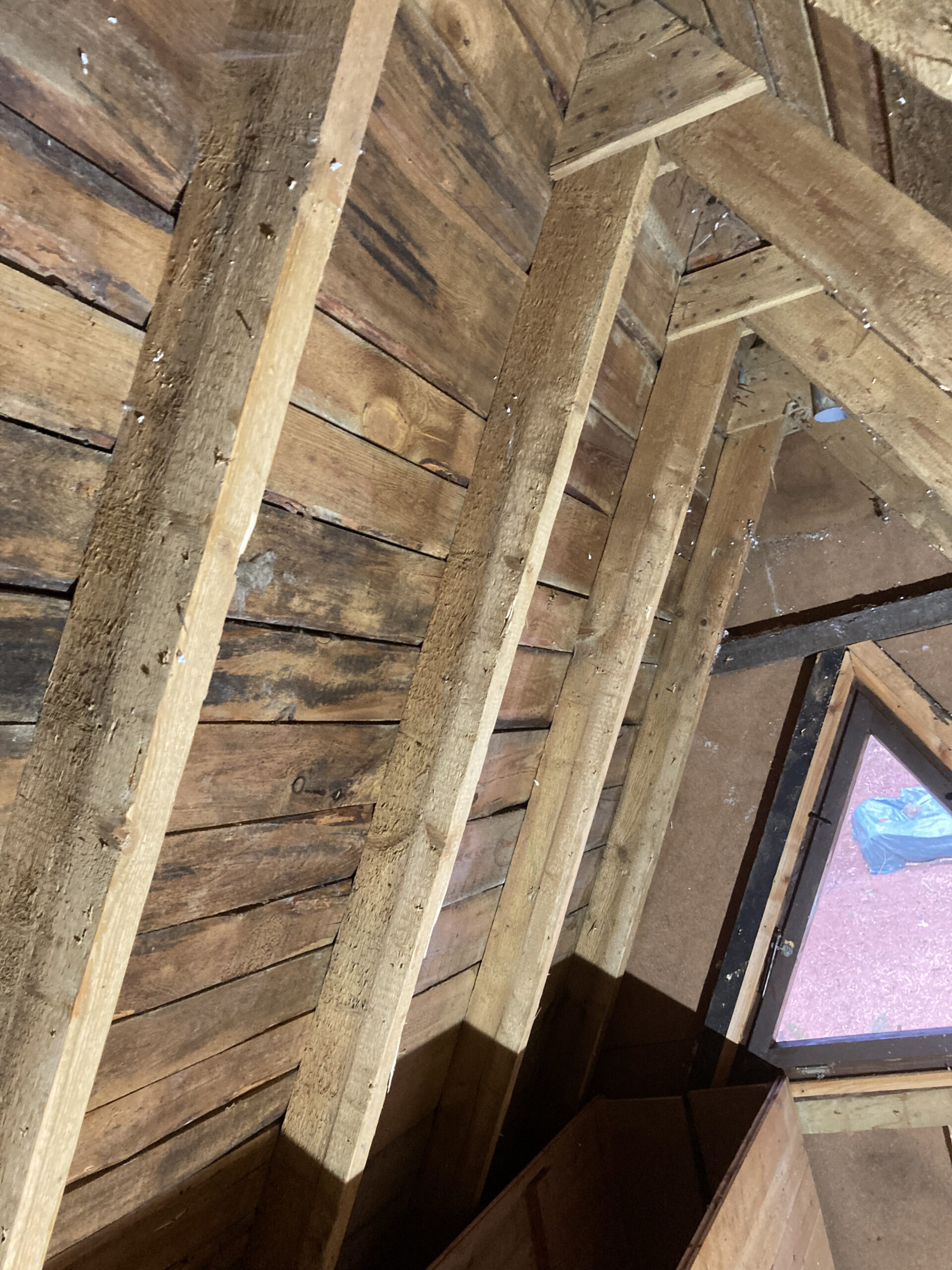
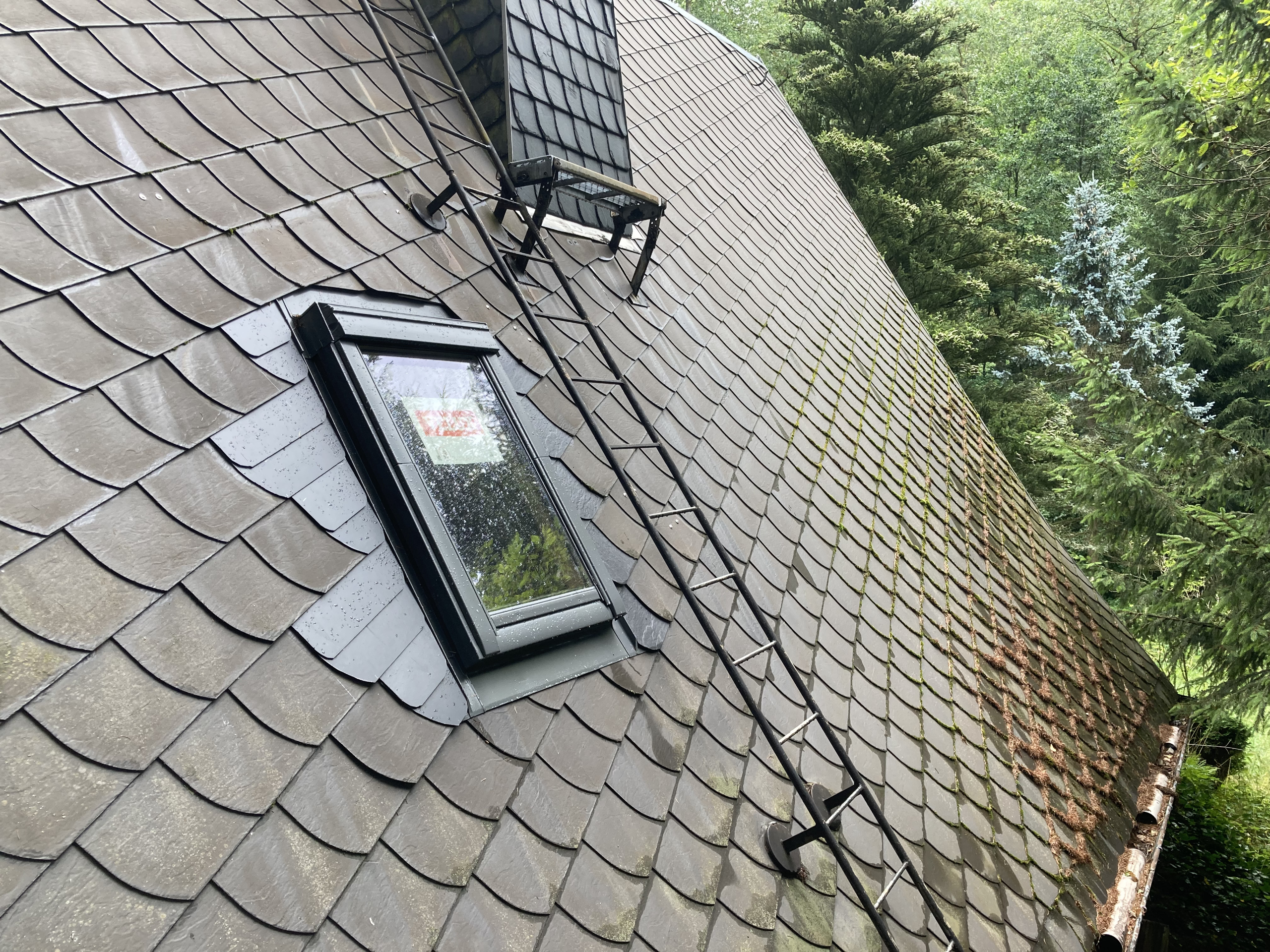
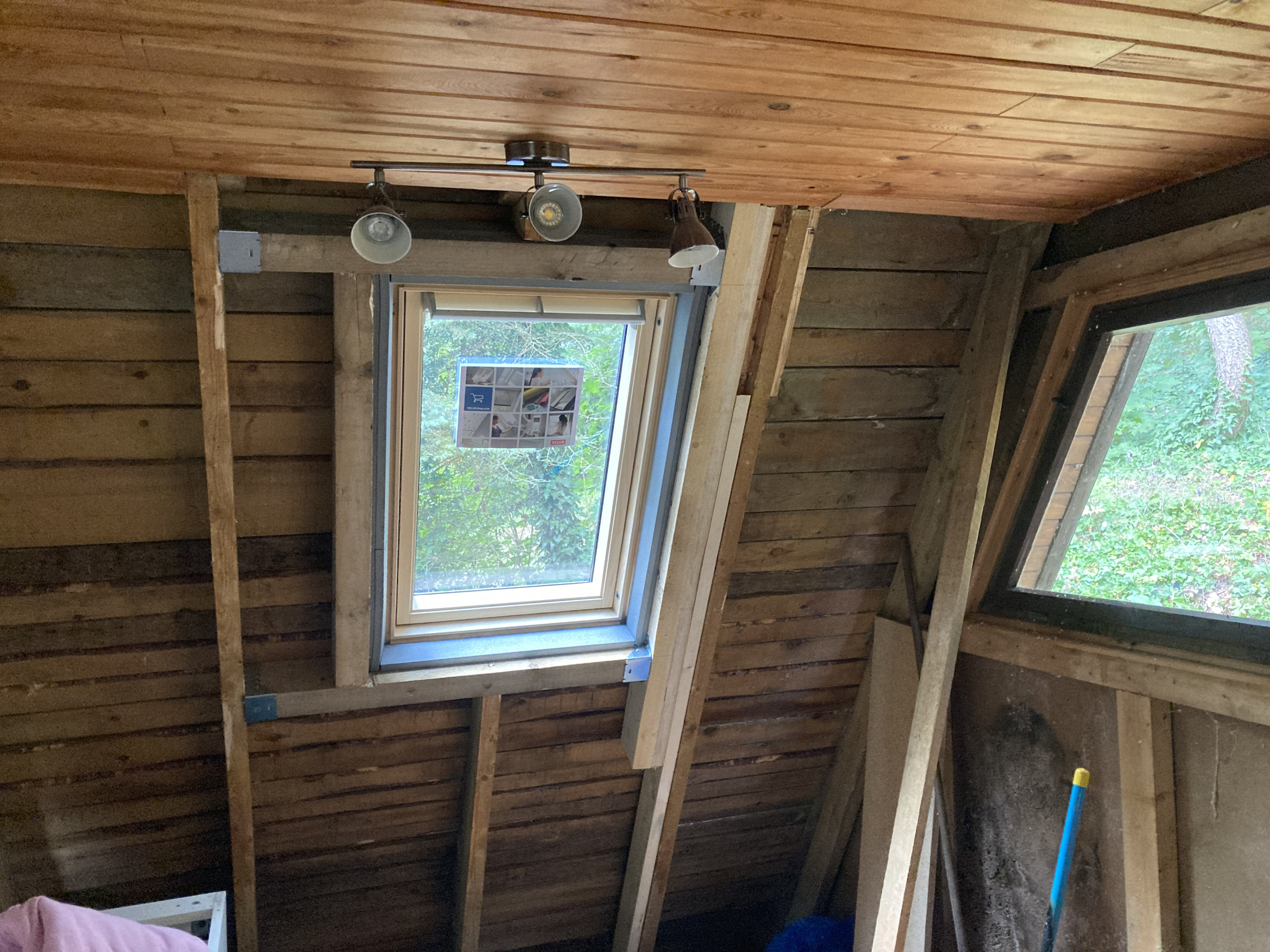
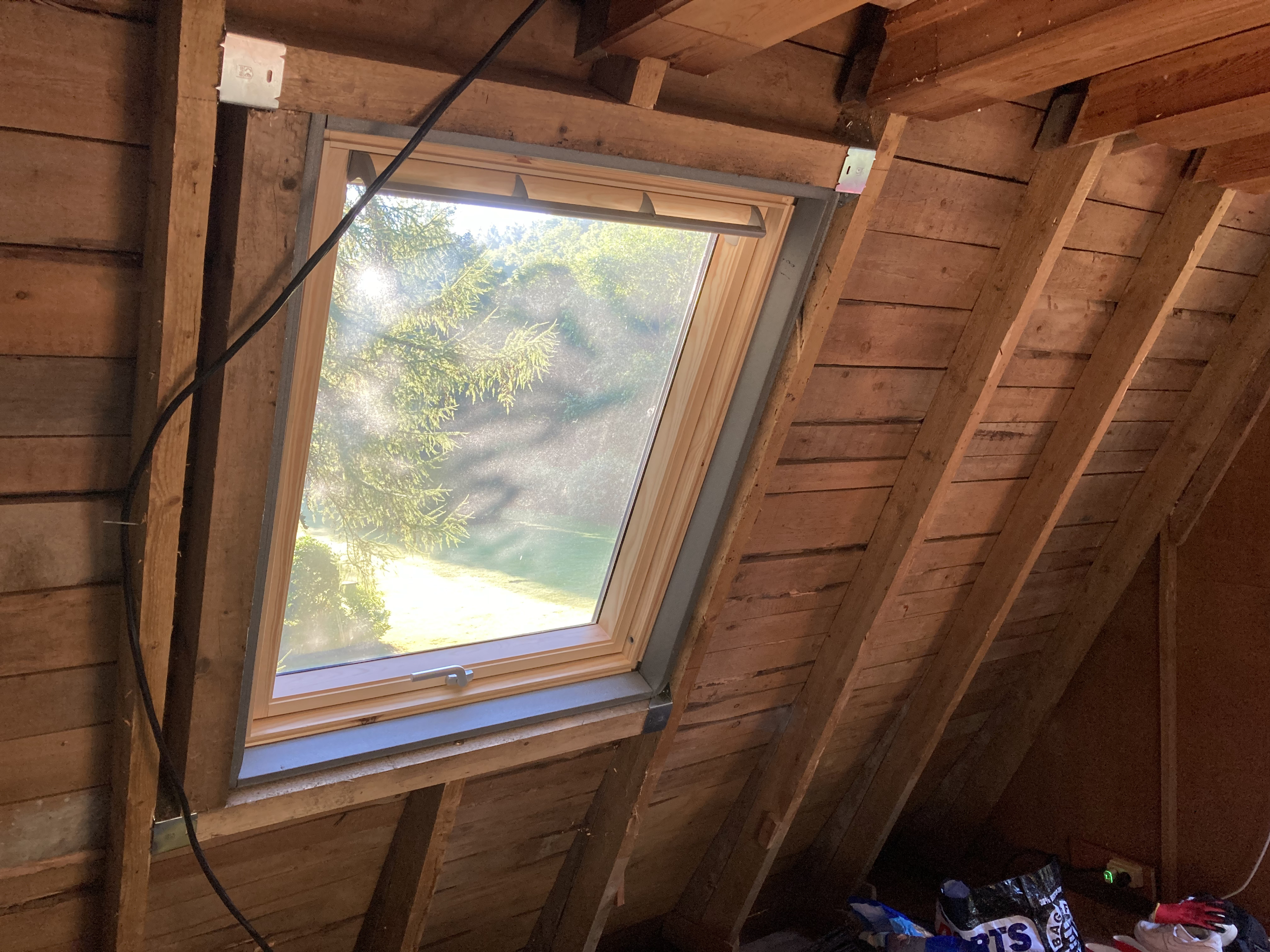
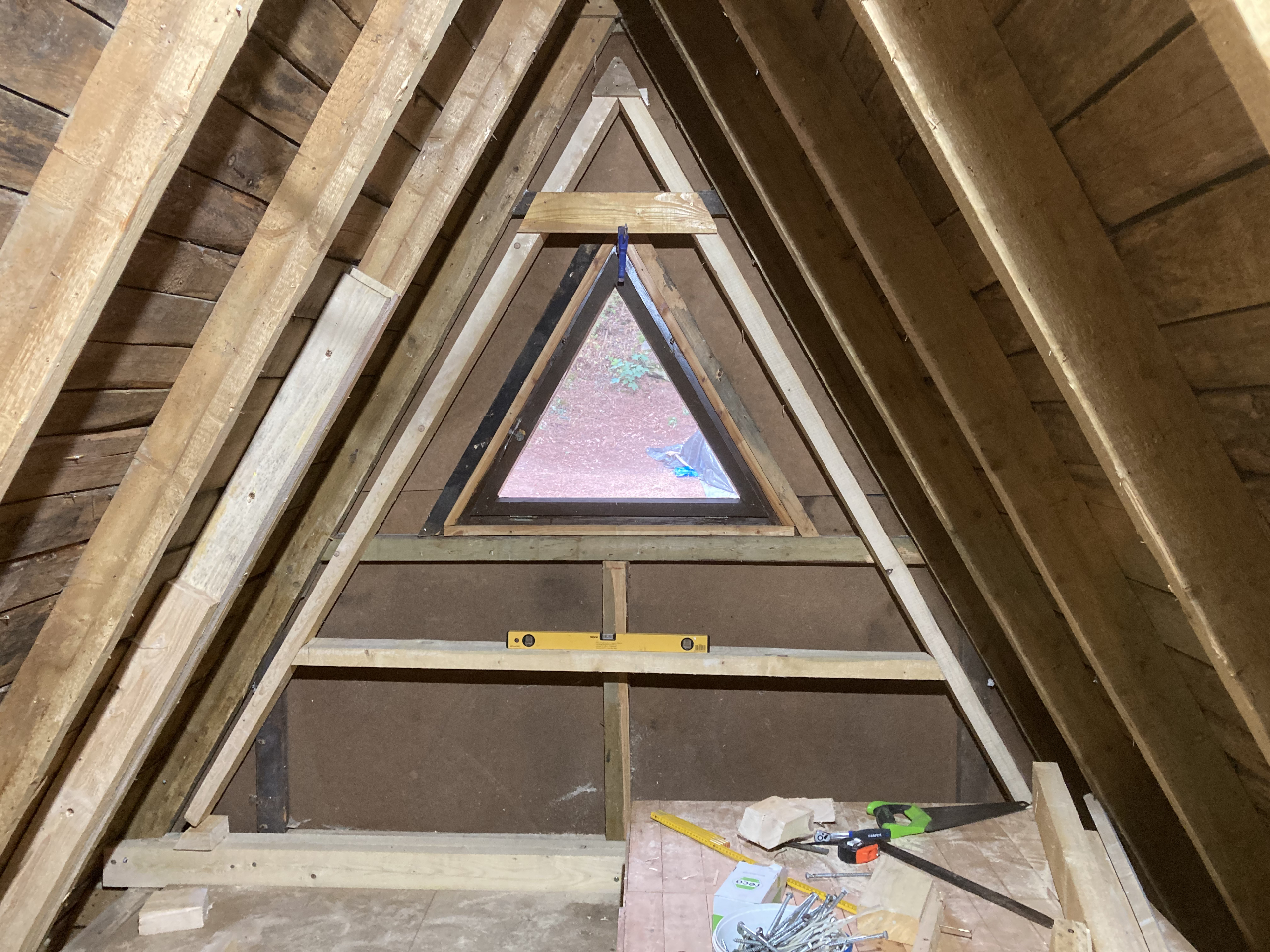
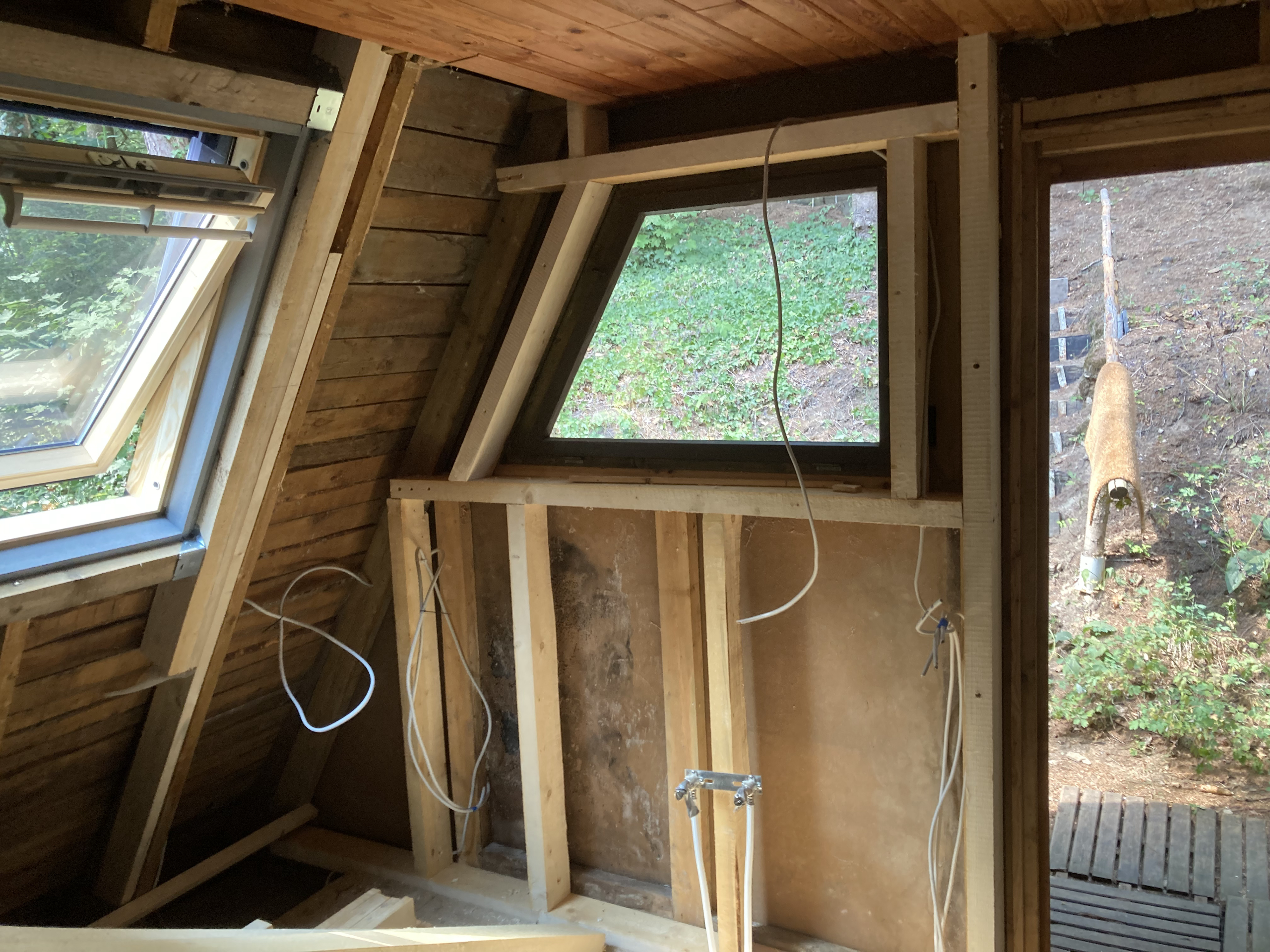
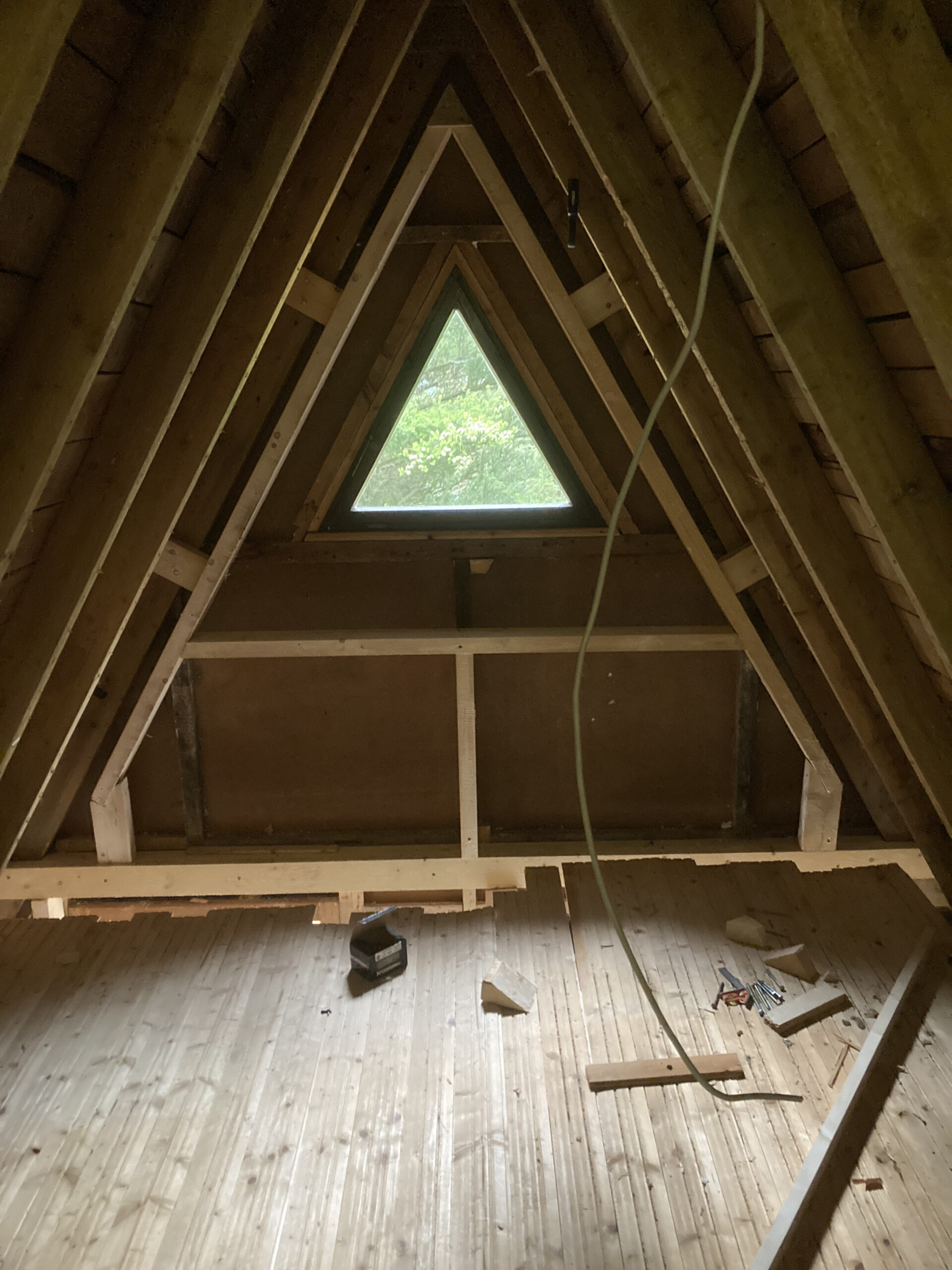
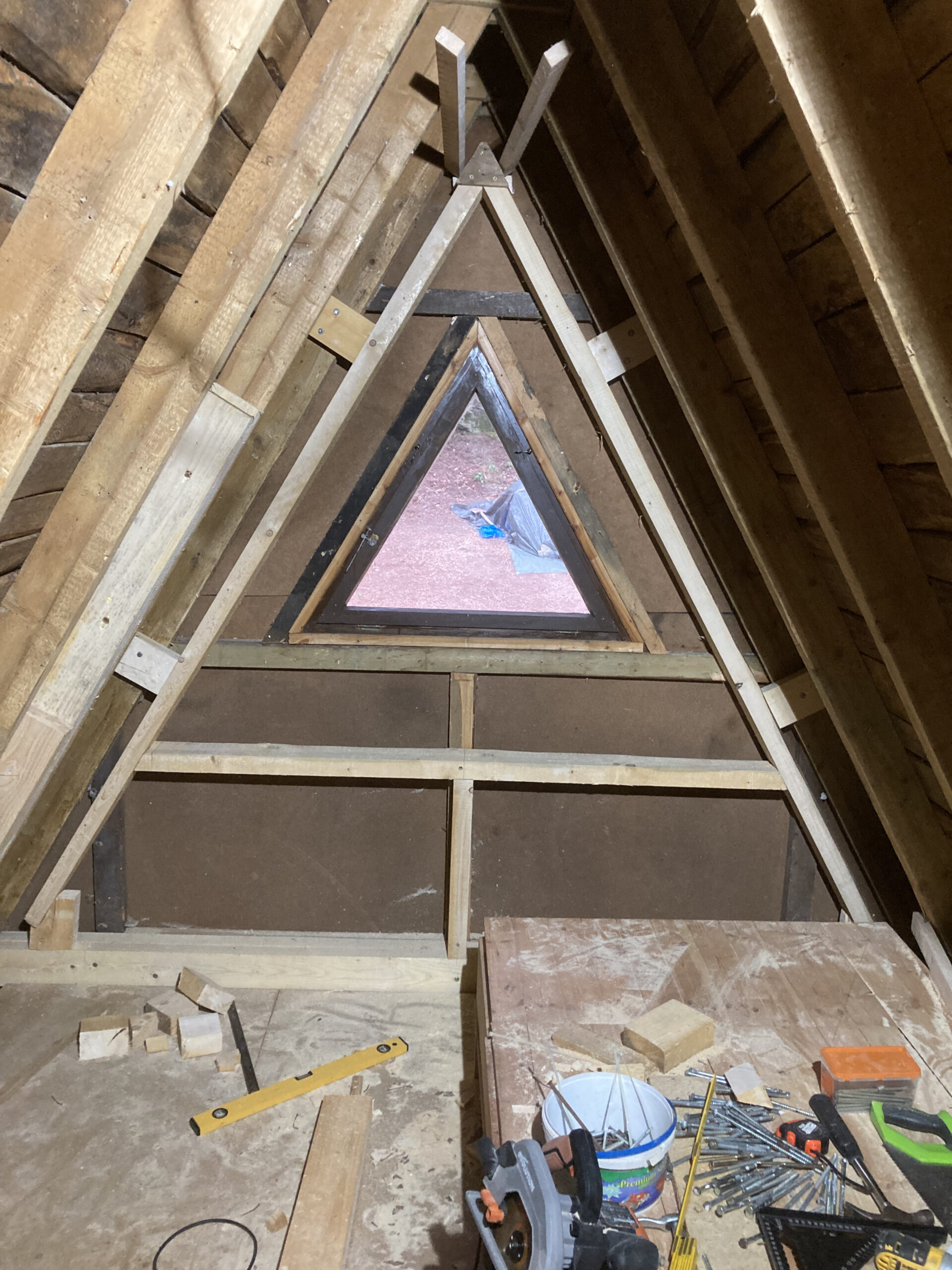
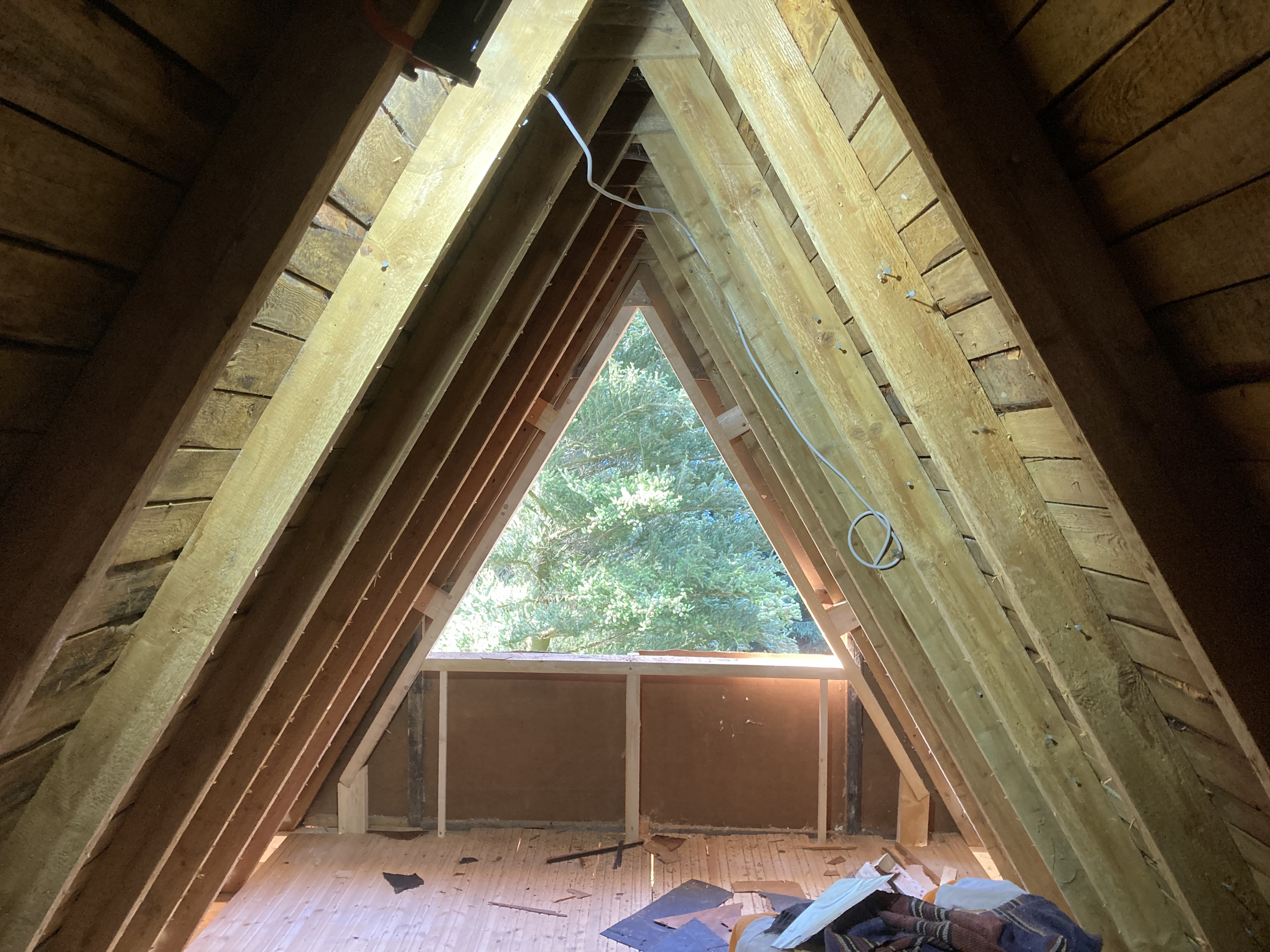
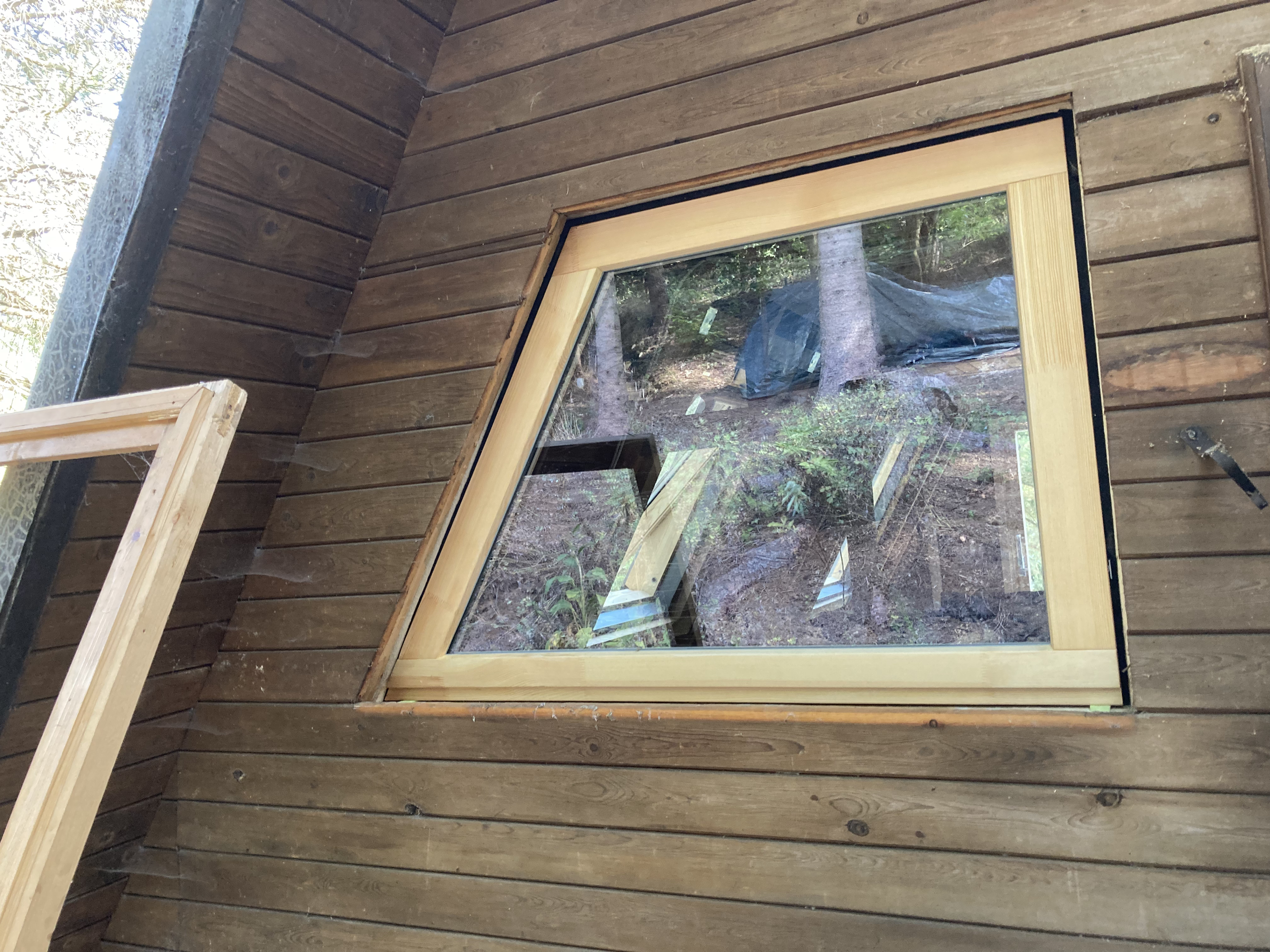
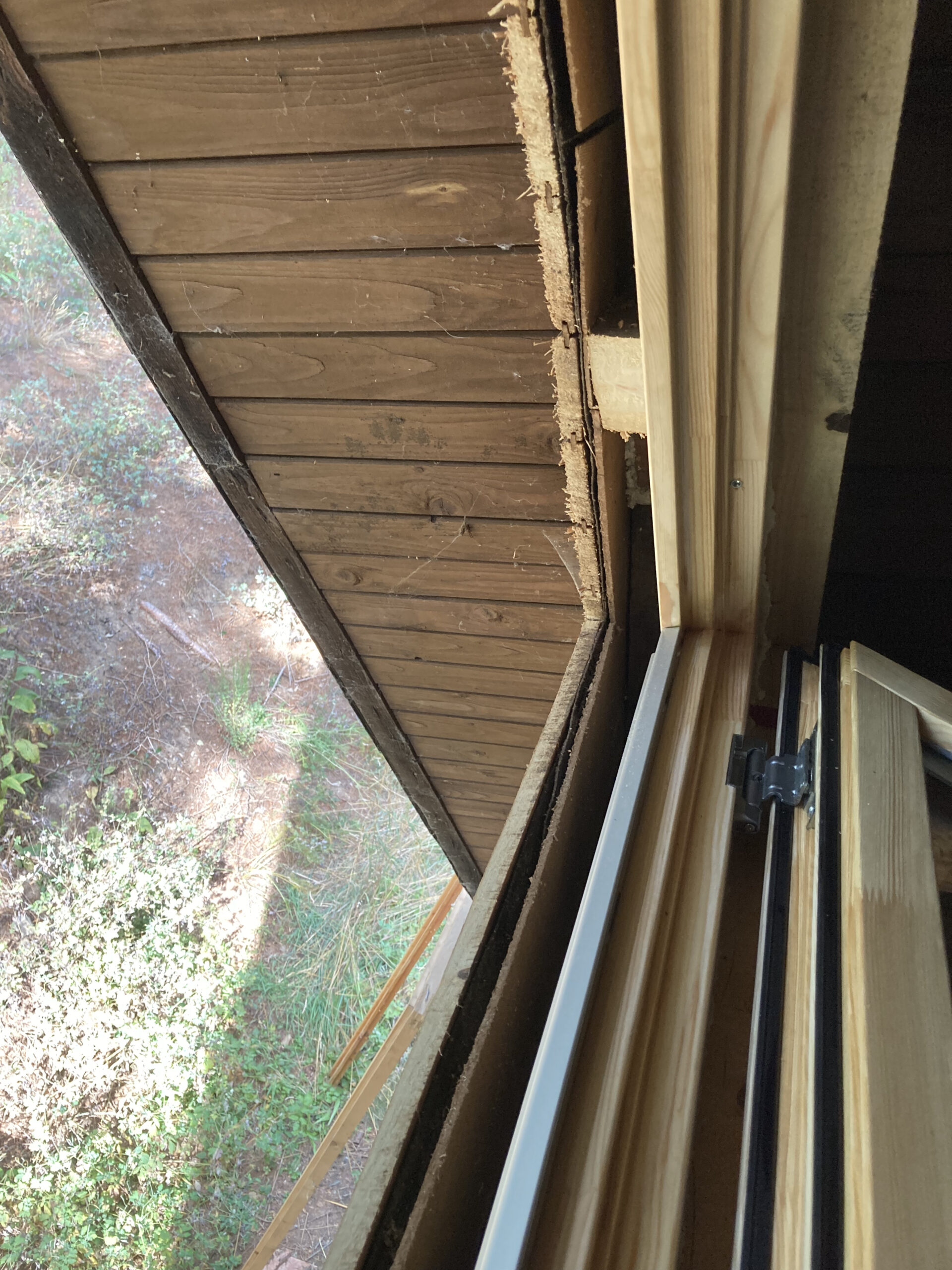
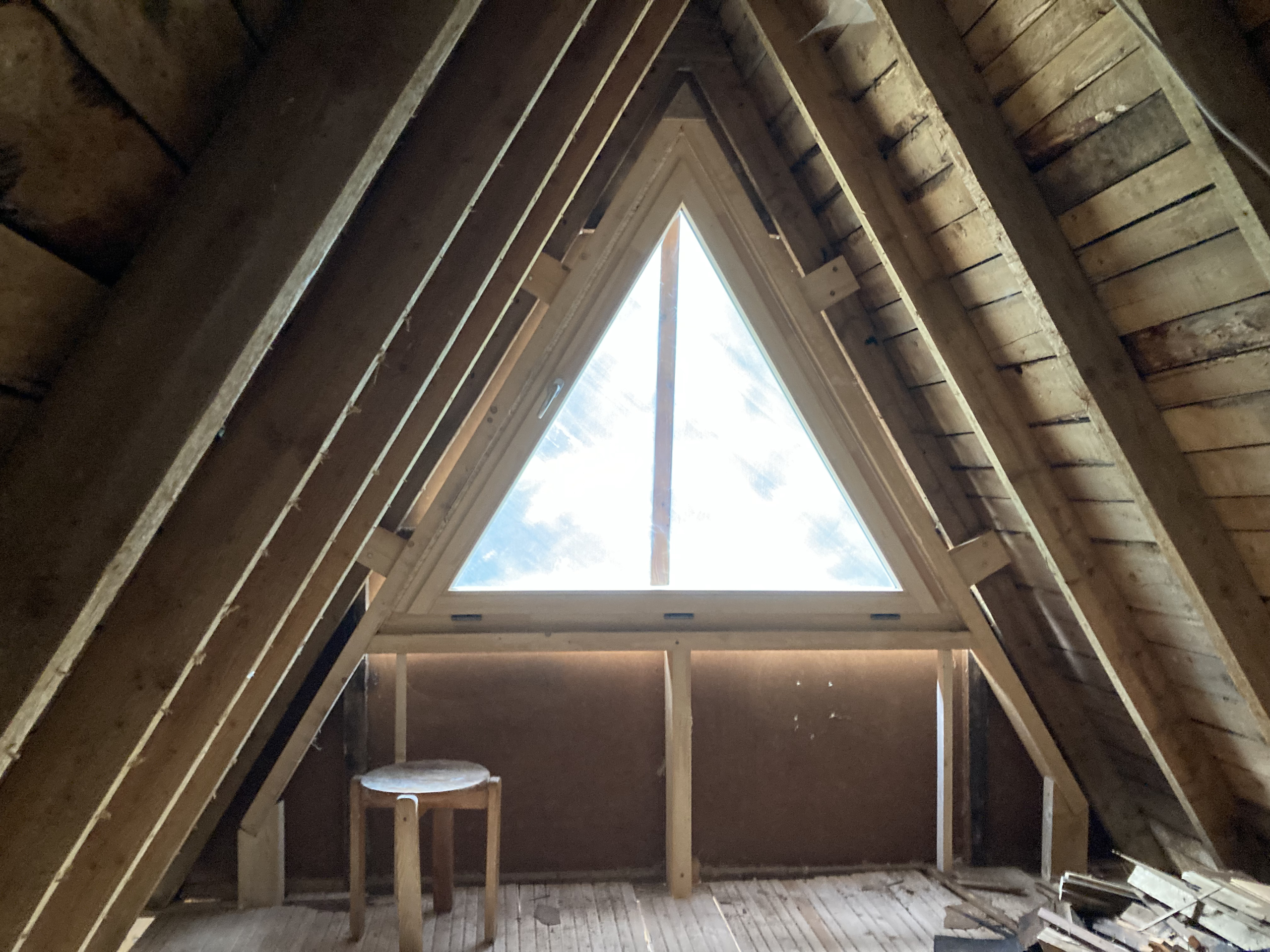
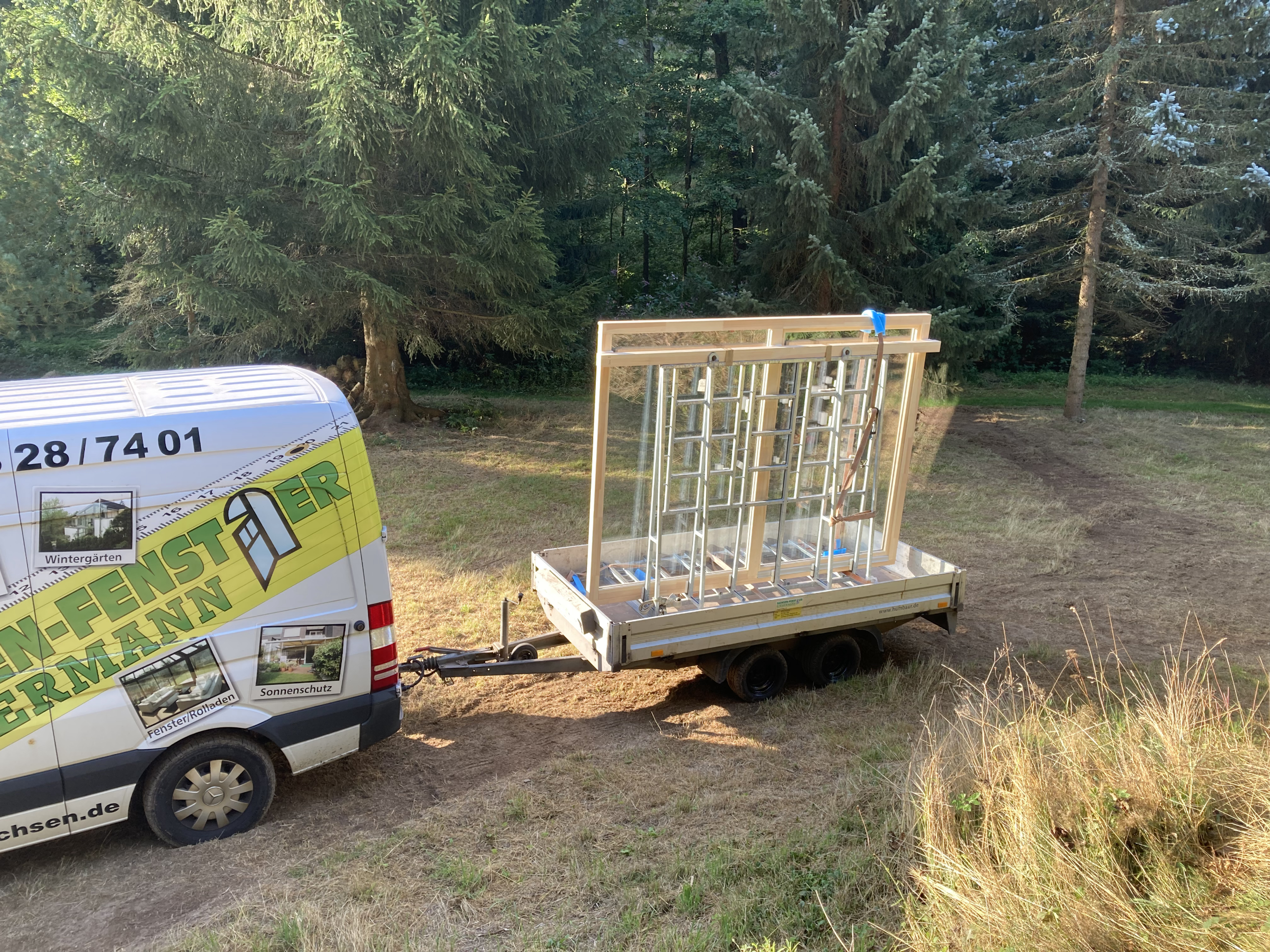
Summer of 2021 saw us invest in three Velux windows for the roof which were installed by our local friendly timber merchant and we also had new wooden windows and a sliding patio door made up and we prepared the internal framework to receive the new windows. Not as straightforward as I had imagined because the end walls of the cabin turned out not only to not be true or parallel to each other, but also not perpendicular to the floor. Another lesson learned and a need to find a solution!

Eco here we come..

During this entire deconstruction process which amounted to several visits over many months, we also hit on the idea of making this into an eco home, a little retreat of natural loveliness. Years earlier I’d come across Hempcrete and how amazing a product it was at insulating old buildings as well as new builds,  how it sequesters Co2 for it’s entire lifespan, it’s resistant to vermin and insects, it has thermal mass and it can’t catch fire, to name a few of it’s amazing properties.

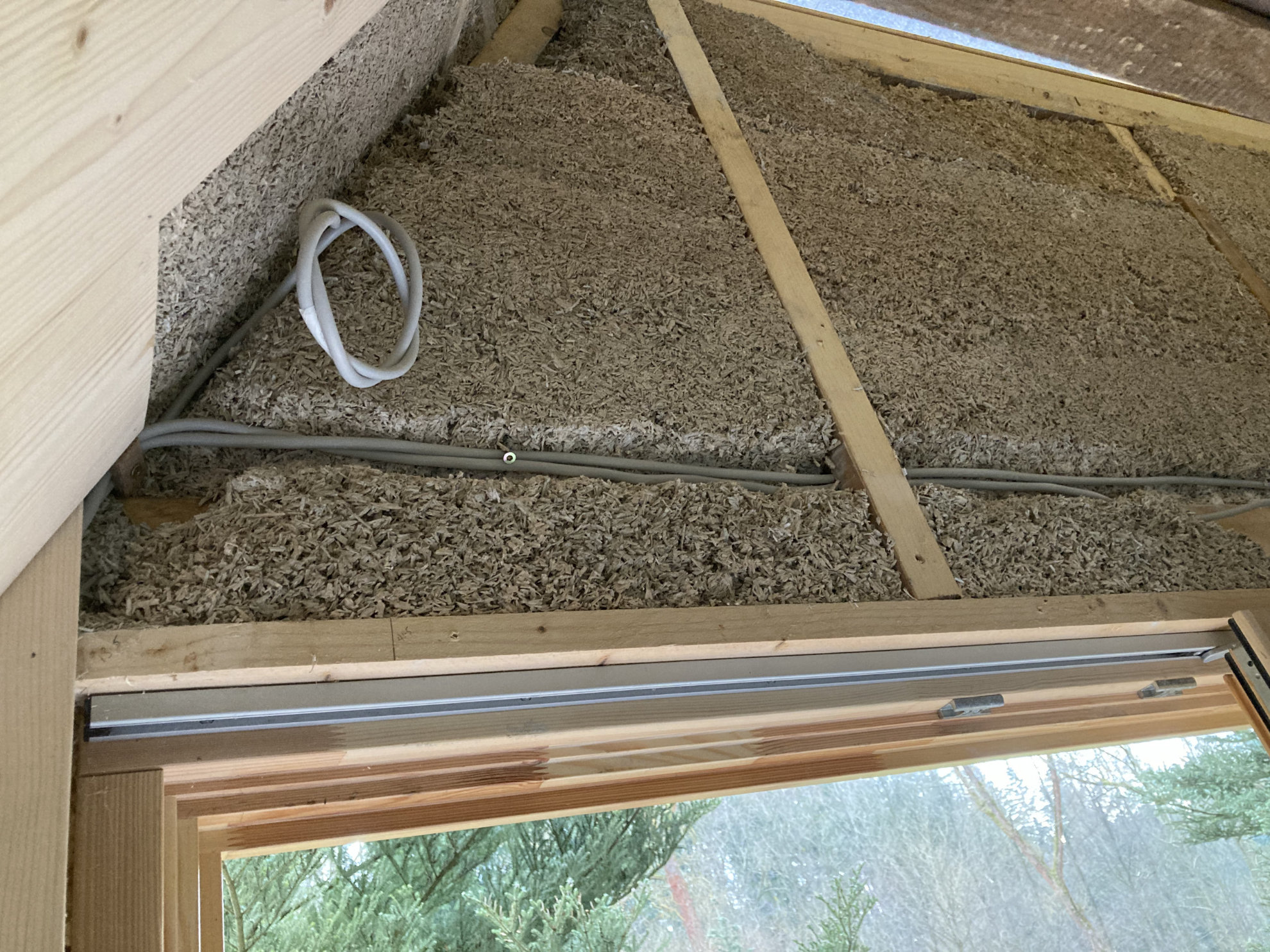
So in the early summer of 2022 we enlisted on a days Hempcrete workshop course in Sudbury Suffolk UK. The course is run by Guy Herbert of Shalco and together with his son Richard, they confidently and expertly guided us and a few other Hempcrete disciples through the many idiosyncrasies of working with precise amounts of hemp shiv, lime binder and water. They were thorough and answered all our seemingly difficult and anxious questions around installing this wet porridge like product from the inside of a an A frame hut and into a sloping roof.

Hempcrete as insulation

Hempcrete is a natural building material made from a mix of hemp fibers (from the hemp plant), lime, and water. Reasons to use hempcrete to retrofit your existing building

  • Thermal Insulation: Hempcrete has good insulating properties, meaning it helps keep buildings warm in the winter and cool in the summer. This is because the hemp fibers trap air within the material, reducing heat transfer.
  • Breathability: Hempcrete is breathable, which means it allows moisture to pass through, preventing mold and dampness. This makes the indoor environment healthier.
  • Environmentally Friendly: Hemp is a renewable resource that grows quickly and absorbs carbon dioxide (CO2) as it grows. Using hempcrete helps reduce the carbon footprint of a building.
  • Lightweight and Durable: Although it’s not as strong as traditional concrete, hempcrete is lightweight and durable enough for insulation purposes. It’s typically used in non-load-bearing walls or as insulation inside walls.
  • Hempcrete sequesters (or absorbs) carbon dioxide (CO2) throughout its lifespan, making it a carbon-negative material
  • Hempcrete naturally resists vermin and insects, which is one of its advantages as a building material in the wilds of nature
  • In short, hempcrete is a sustainable, breathable, and effective insulating material that helps create energy-efficient and healthy homes.

Adventures in hemcreting

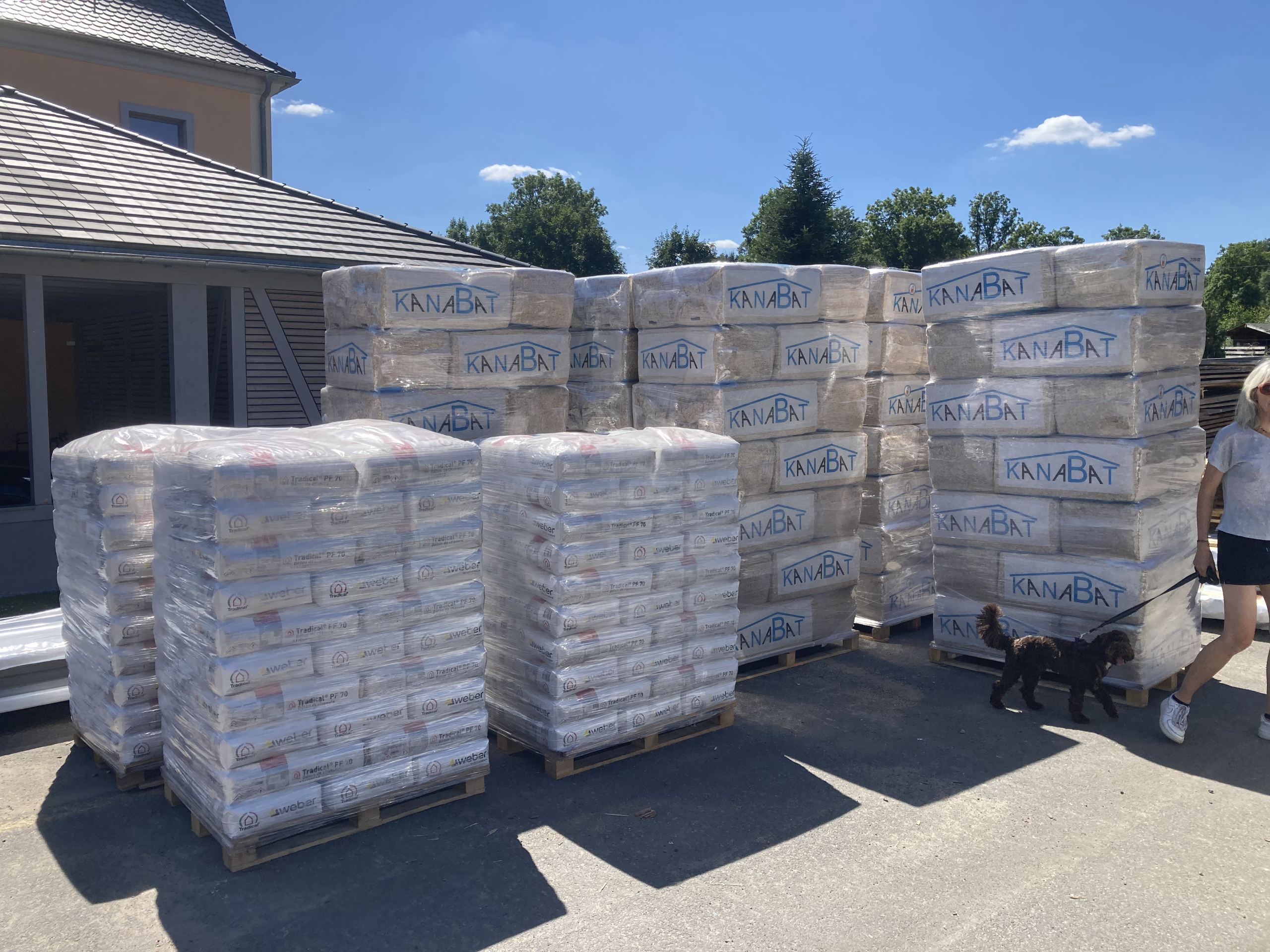
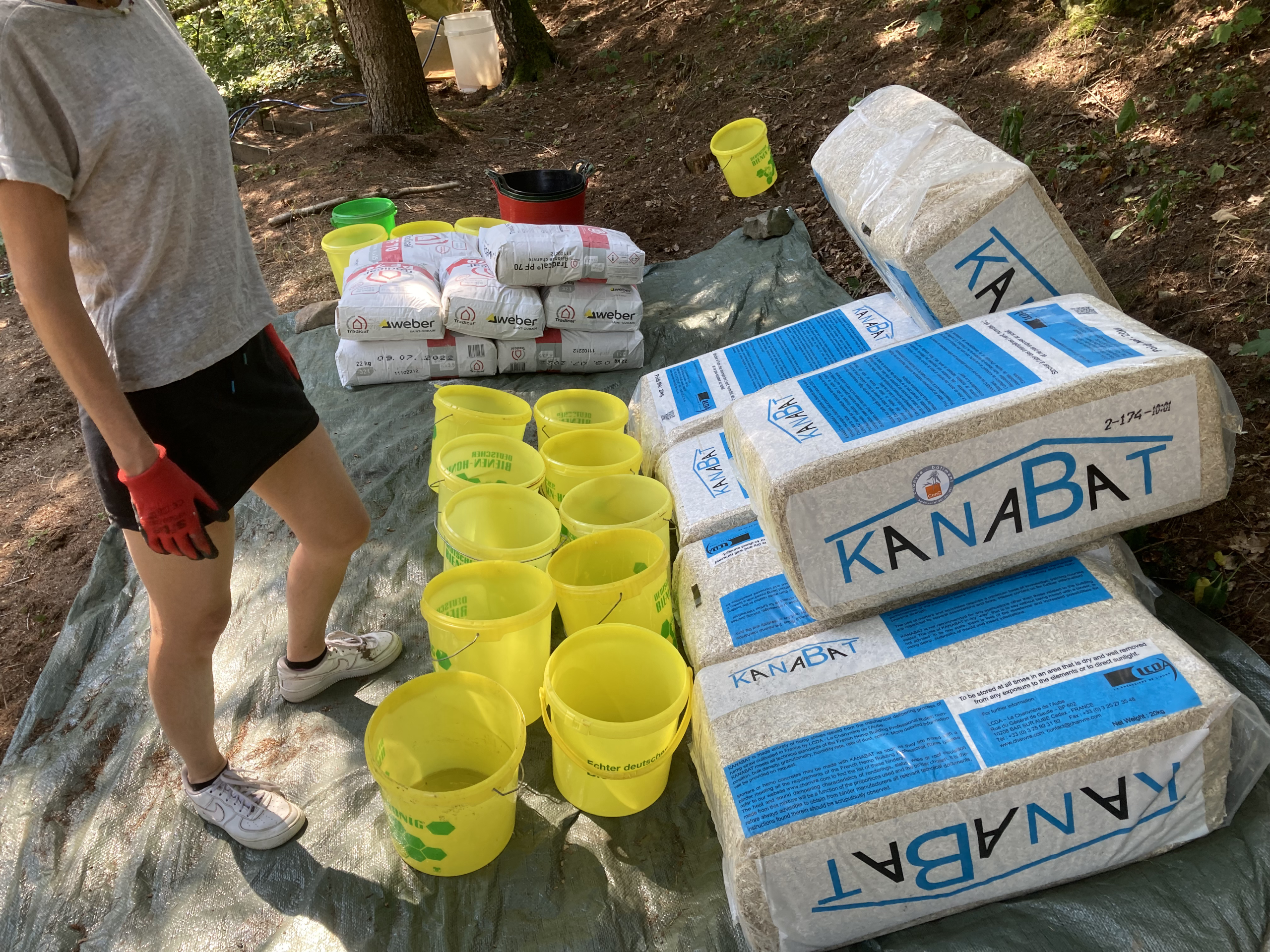
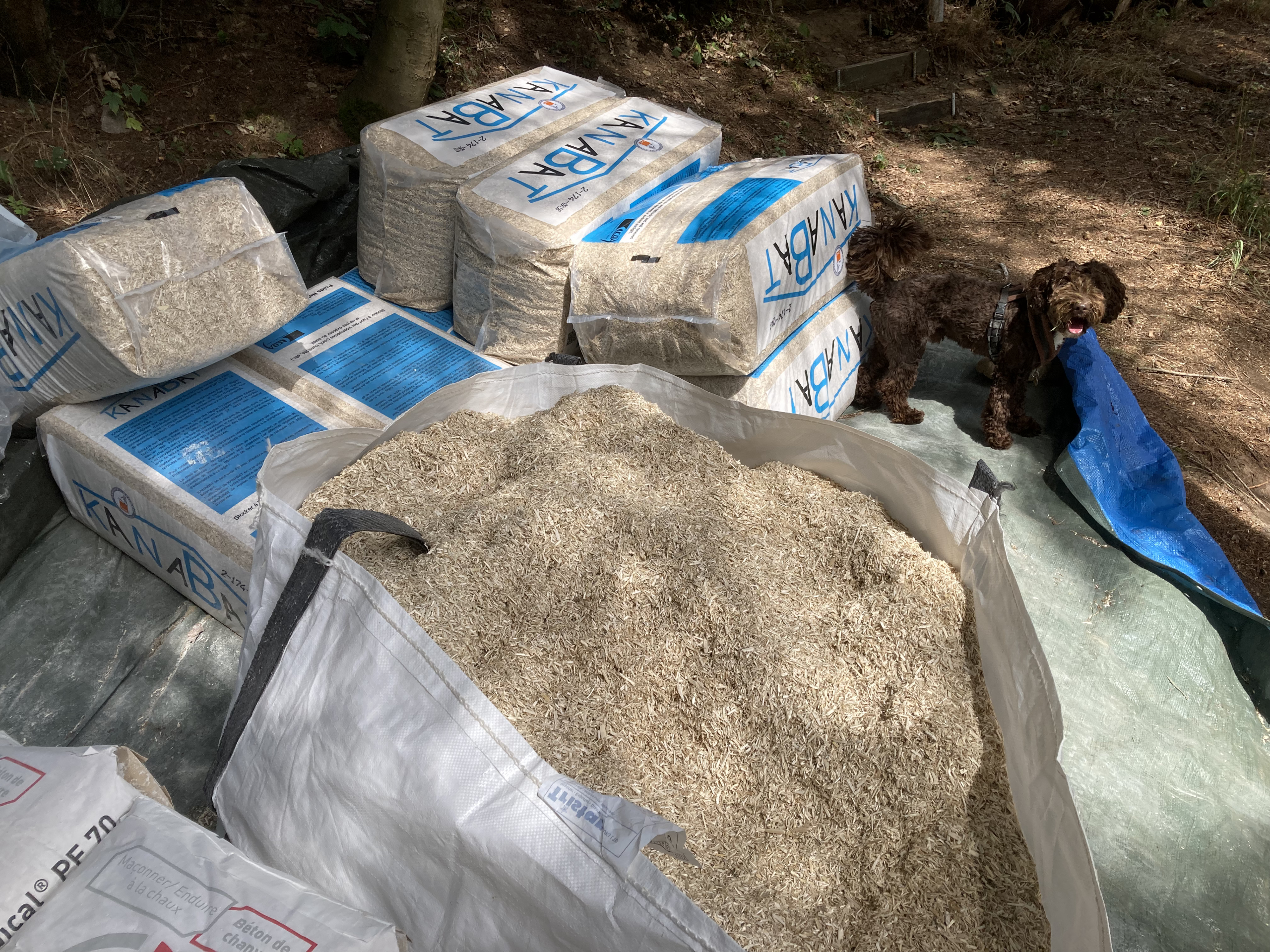
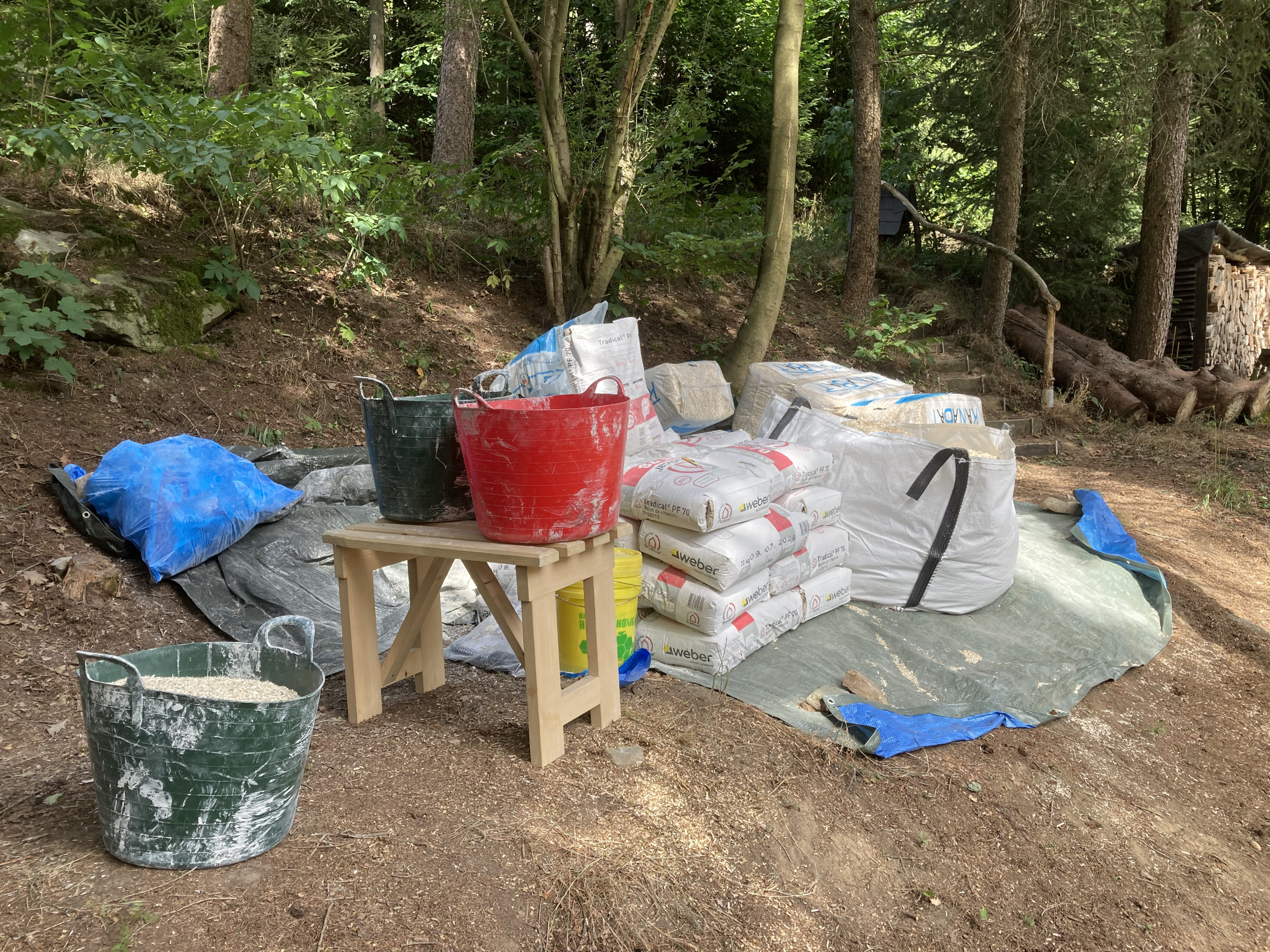
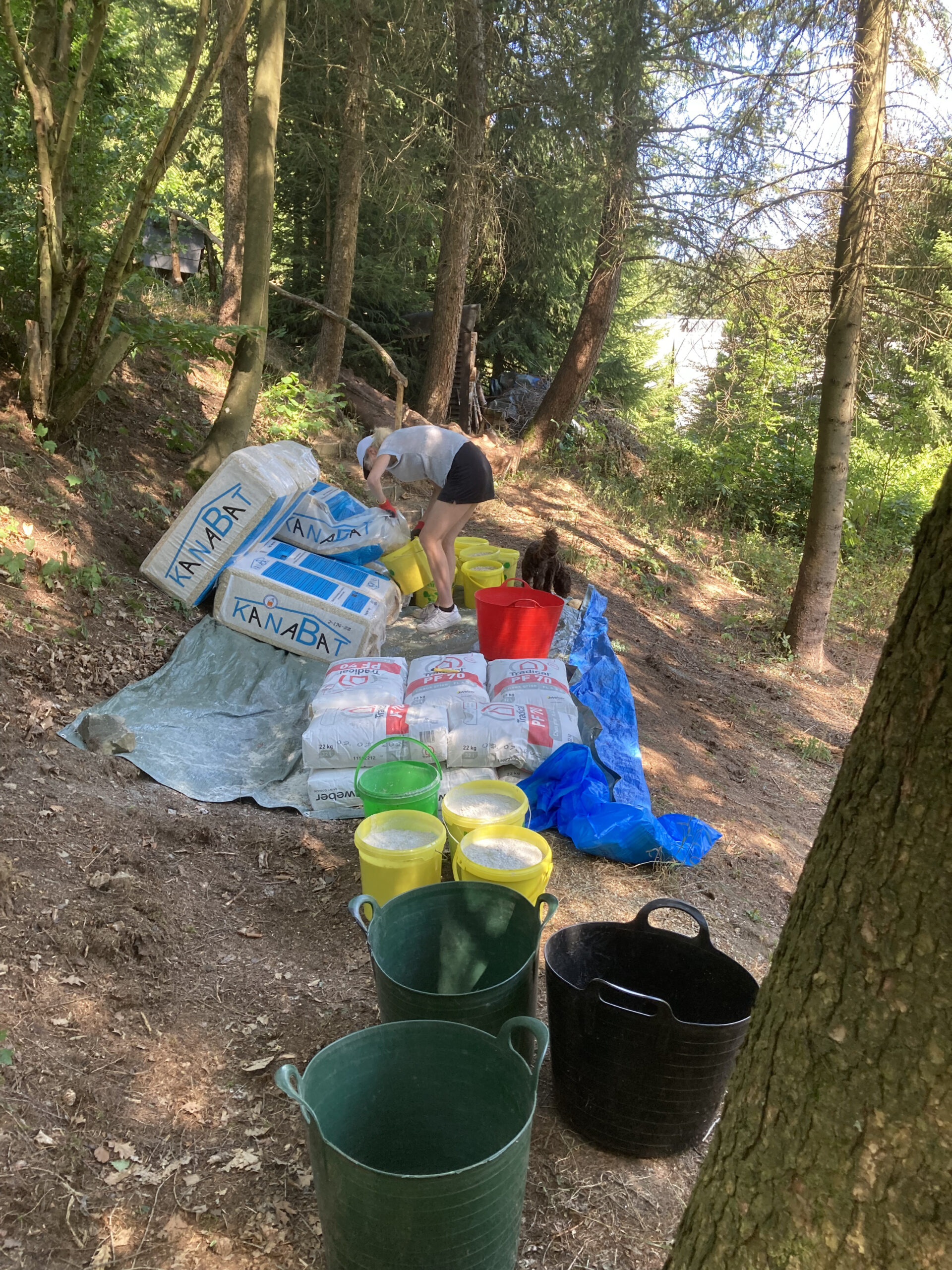
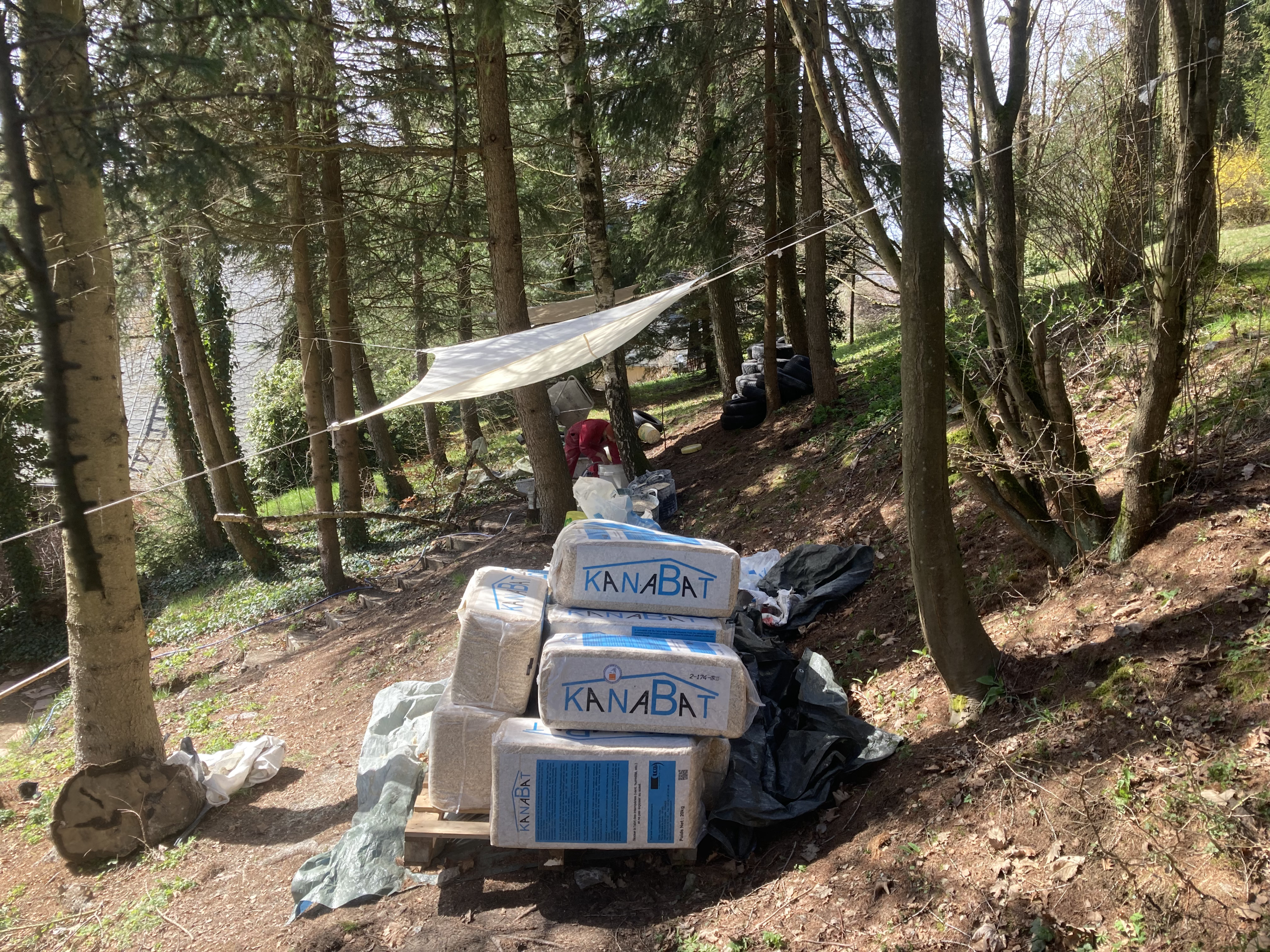
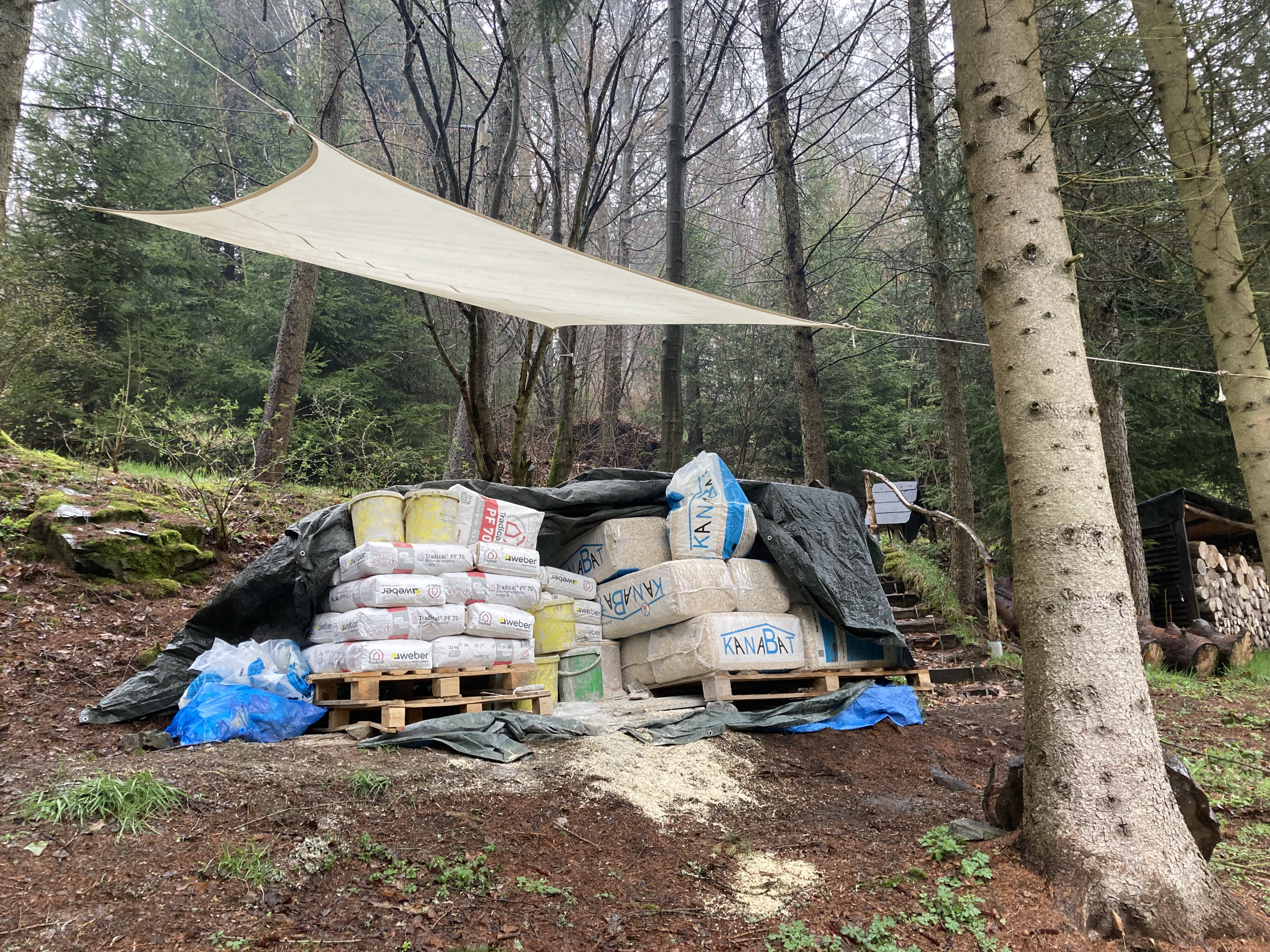
So, early summer of 2022 I was in a telephone conversation with another amazingly communicative and helpful individual by the name of Klaus Haag. He was German and was able to source the amount of Hemp and lime binder that we needed, which had been an extremely difficult and stressful process in itself. The lime binder comes in 22kg sacks and the Hemp comes in 20kg bales. The ratio suggested was 1 cubic meter of Hempcrete =  0.8m3 of dry Hemp shiv and 7 bags of binder which equated to 5 bags of shiv + 7 bags of binder = 1m3 of Hempcrete. In the end we bought 200 bags of binder and 126 bales of hemp. This was more than we needed and somewhat dictated by how many bags are on a pallet.

I have to say at this point that the reason I feel this amazing product will not anytime soon enter the mainstream building consciousness is that you need a degree in applied mathematics to firstly work out the cubic meterage of the the ‘void’ you wish to fill. And then to figure out the exact quantities of each element (Hemp+Binder+Water) and then the precise recipe suggested by the lime binder manufacturer. In the end, as I don’t have a maths degree, I had to badger Guy so he’d explain what recipe he’d suggest based on the Tradical PF 70 binder that we we’re in the process of buying from Klaus….add more…

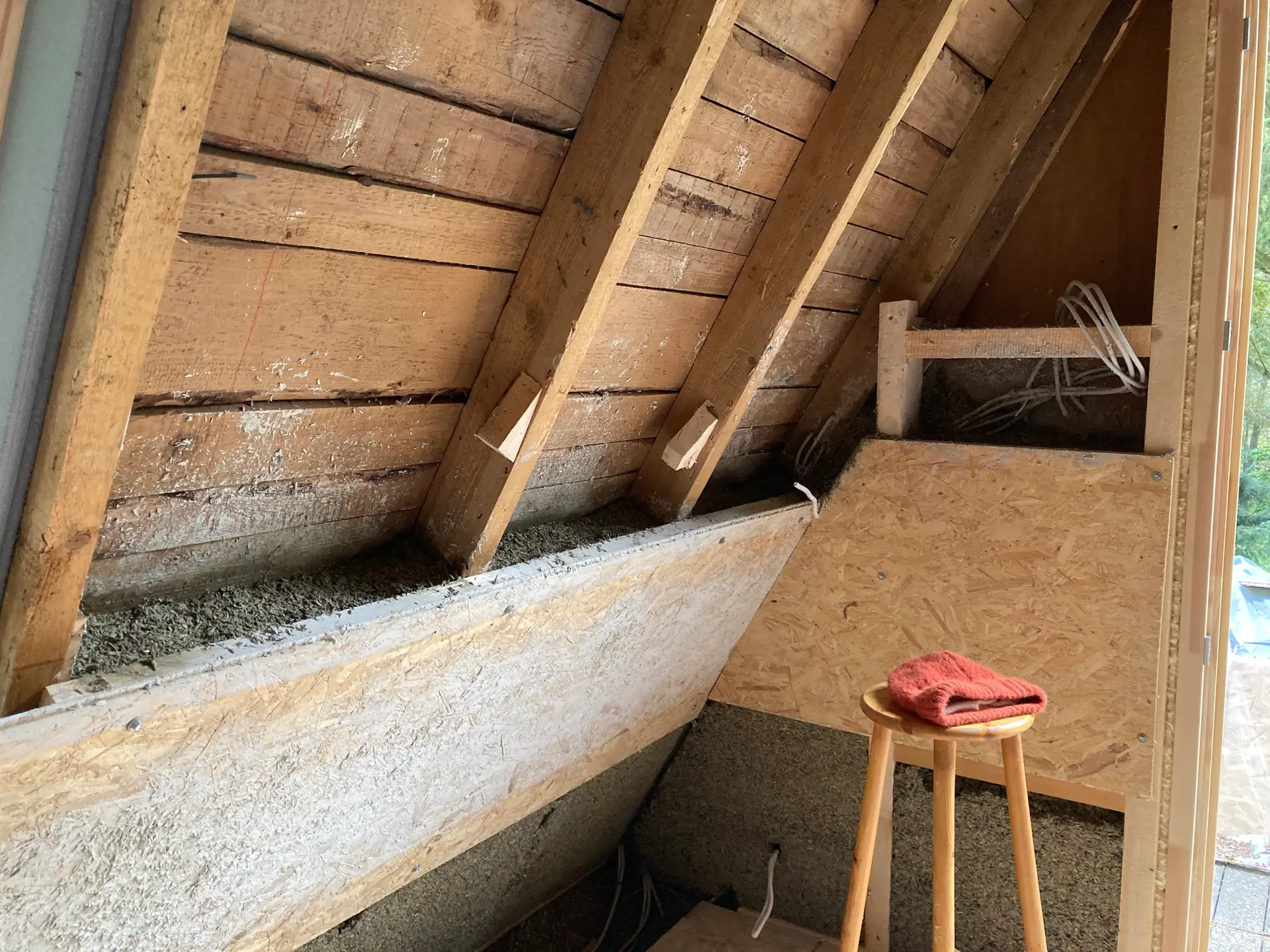
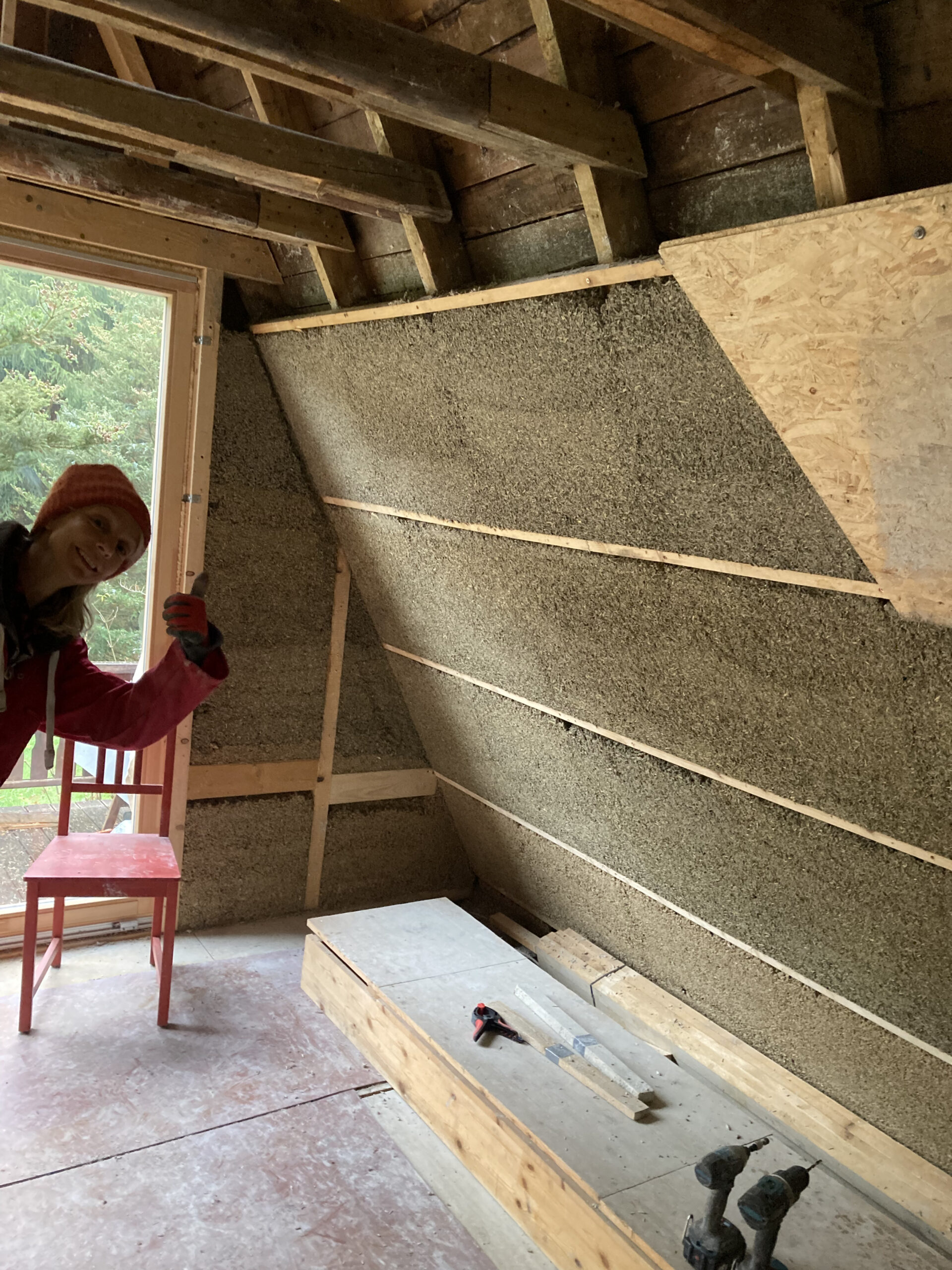
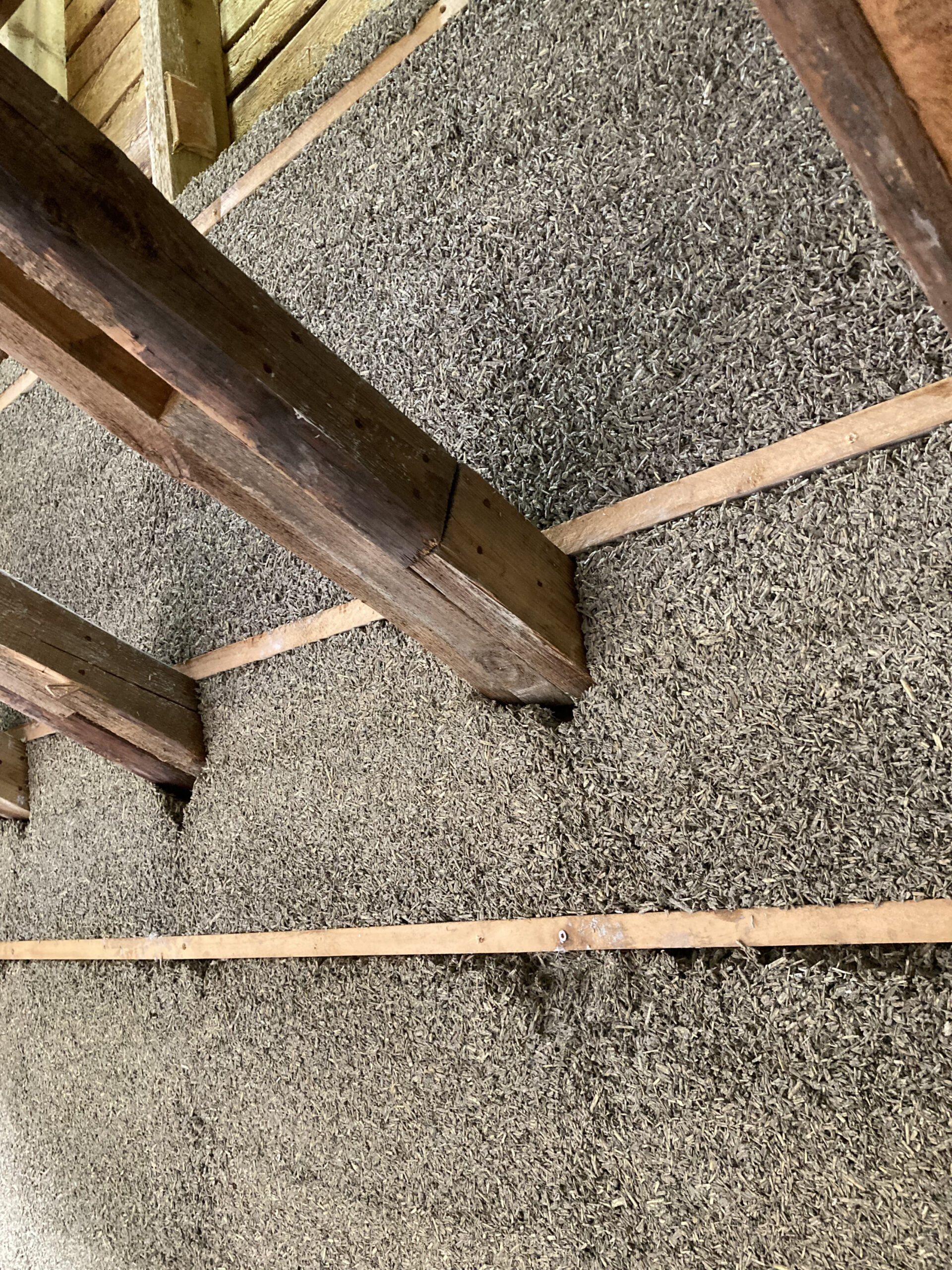
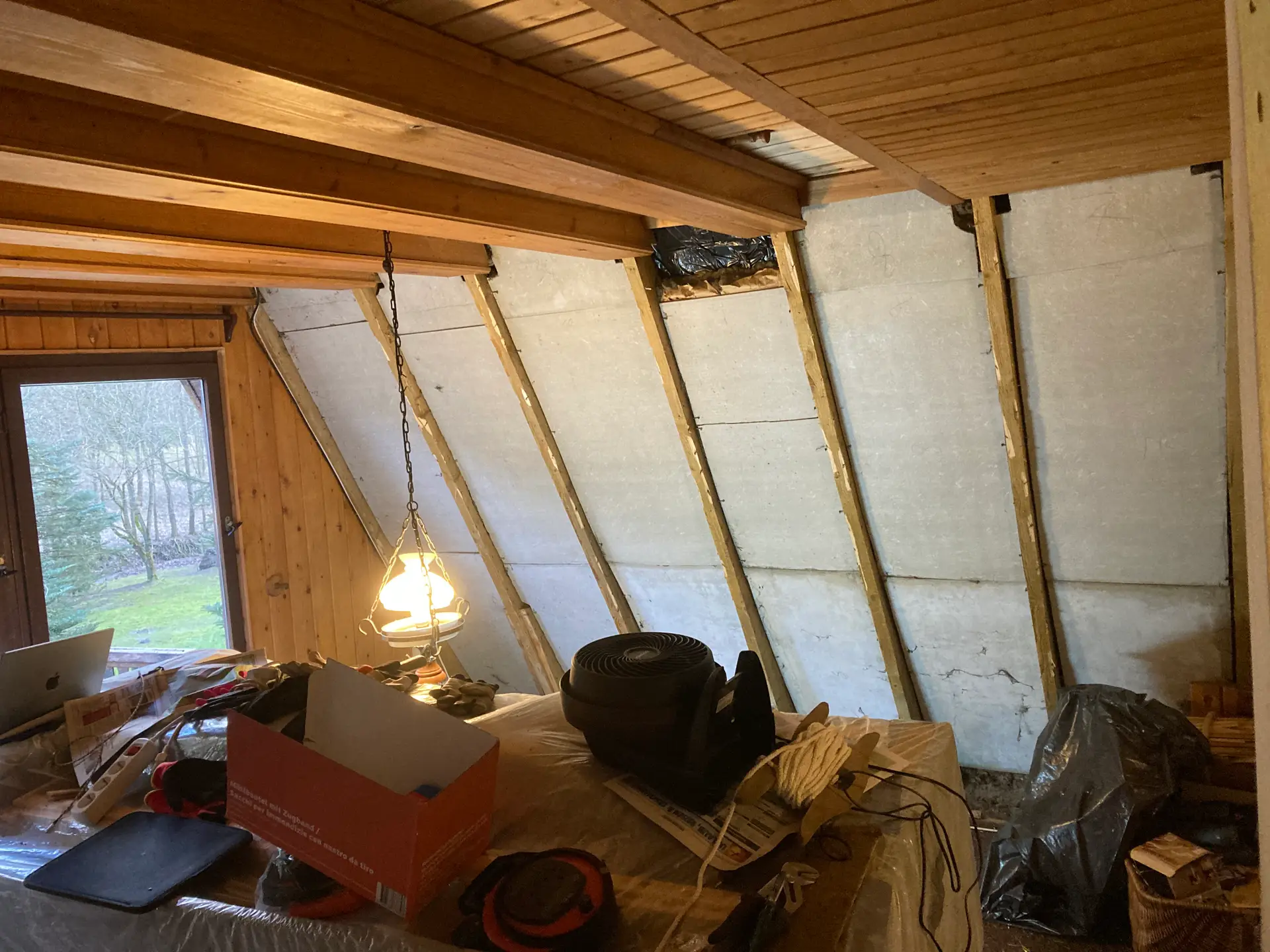
We had a 12 cm existing void which was the thickness of the roof joists. We wanted to get as much insulation into the huts as possible but didn’t have the internal space to really accommodate the suggested 30cm of hempcrete, so in chatting to Guy and Richard on the course we agreed that we’d add a further 5 cm to the thickness of our roof insulation to make 17cm. We did this by adding 5cm battens to the internal roof joists but at 90 degrees to the upright joists and spanning the length of the property. This also gave us extra rigidity in the roof and a ‘cross joist’ that would also act as a ‘preventive measure’ to dissuade the hempcrete from falling out.

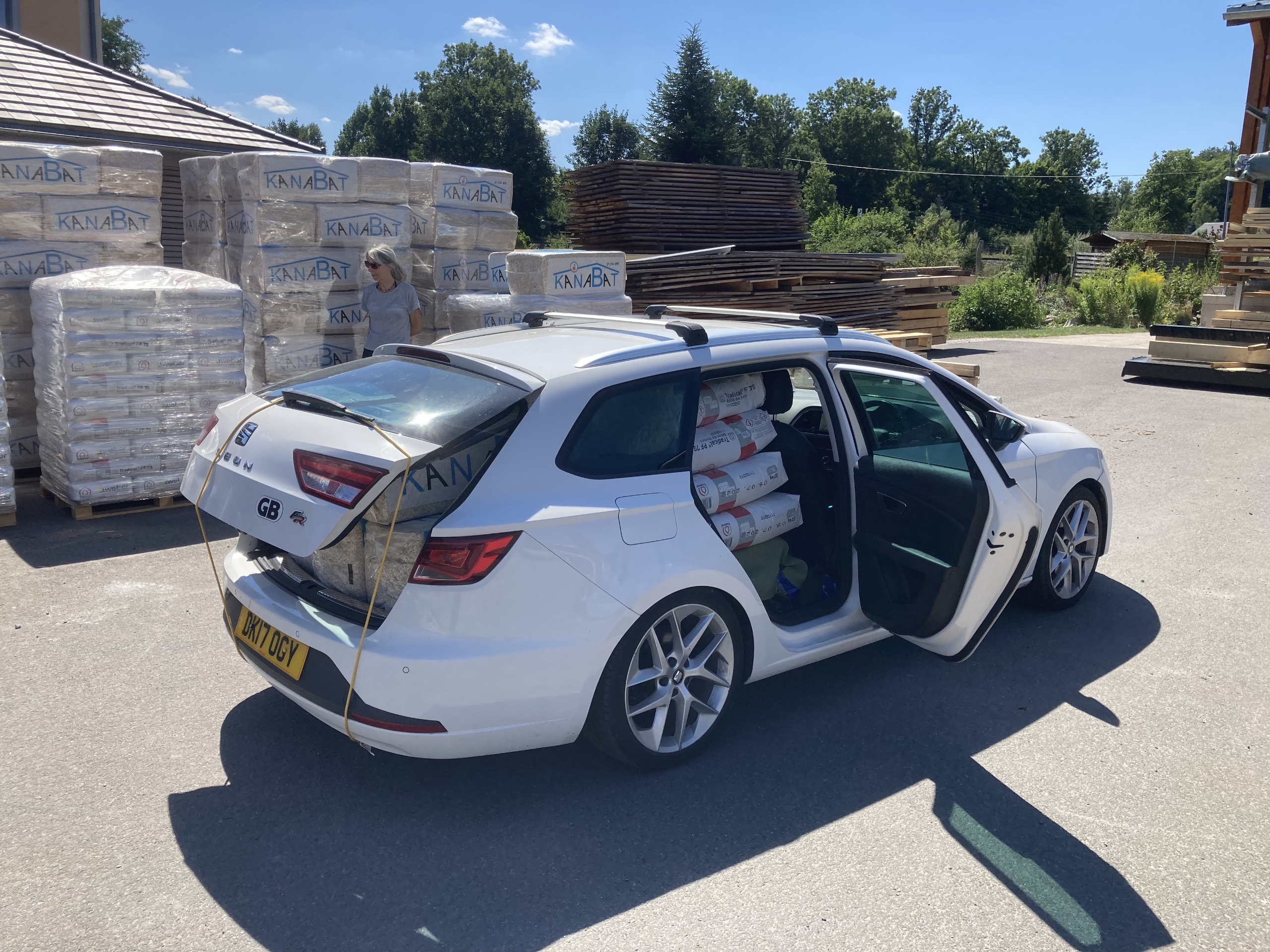
I made the final call with Klaus, agreed on the price which was at the time for us an eye watering amount! Covid was still messing with supply chains and we also had to accommodate transportation costs from within France and then across Germany to our place in the Erzgeberger region. He also suggested we find a ‘handler’ to offload the 10 pallets of material, as two people would not be able to offload that amount in the 2 hour window the driver would have. Luckily Uta’s cousin had a super helpful business partner who owned a timber merchants 5 minutes drive down the road and agreed without too much begging to take delivery on the agreed date and store it for us while we painfully and slowly loaded up the car with as many bags as the suspension would allow and piecemeal drove it to our place and off loaded it there.

I remember turning up at the timber merchants on the delivery day and seeing the 10 pallets and thinking OMG there must be a mistake this is far too much material. How the hell are we going to get it all from here to there???

IMG_4373

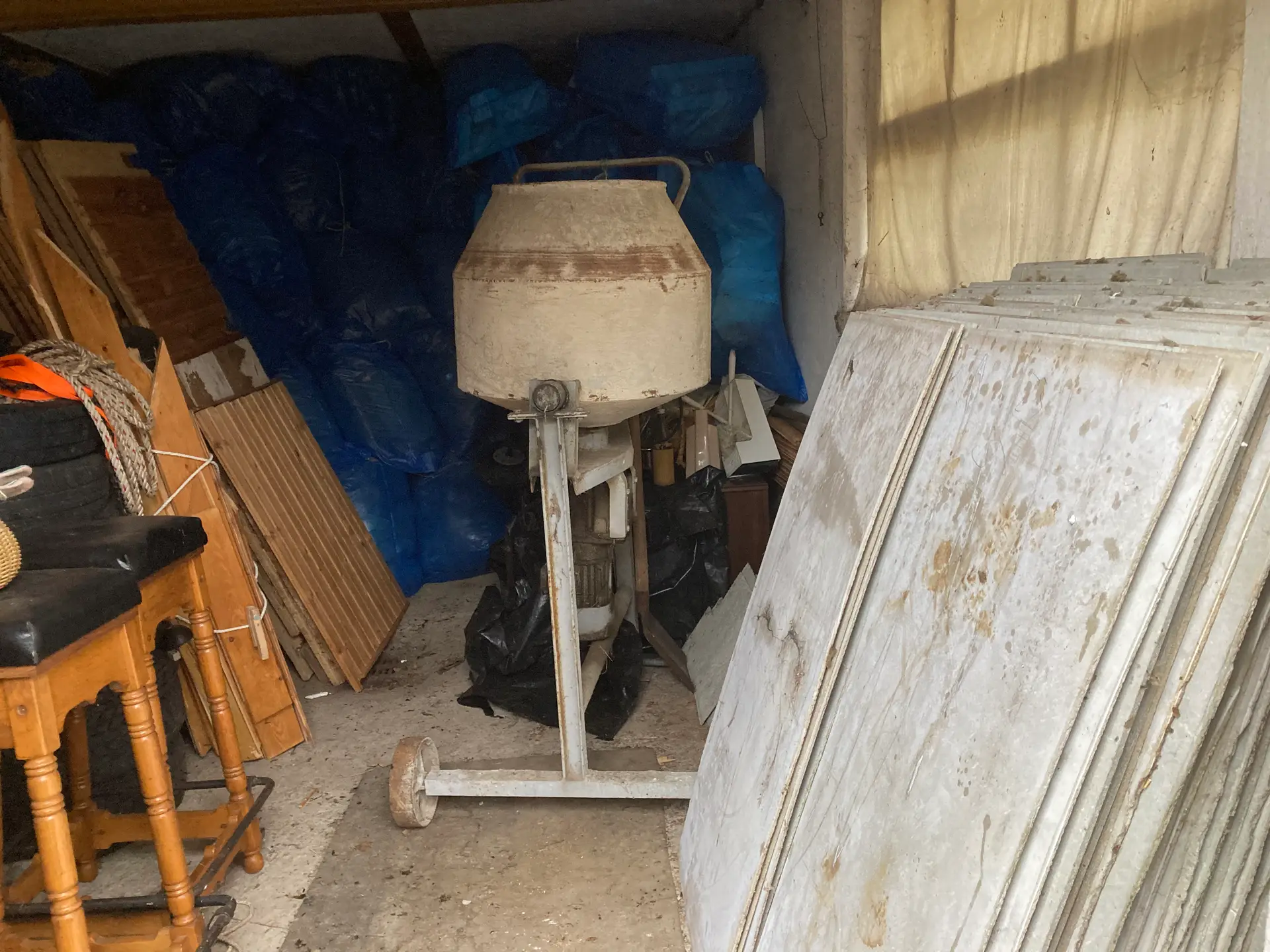
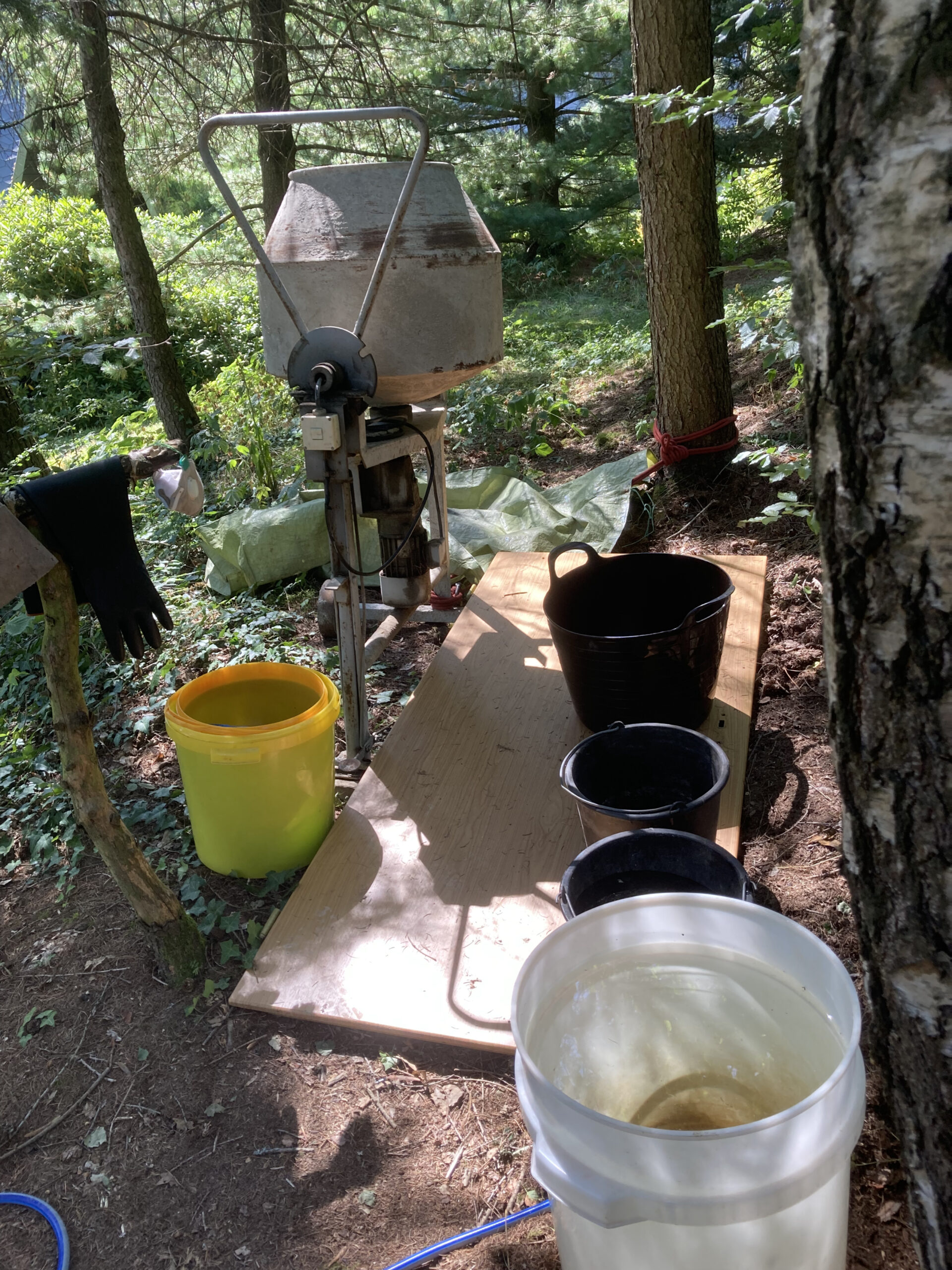
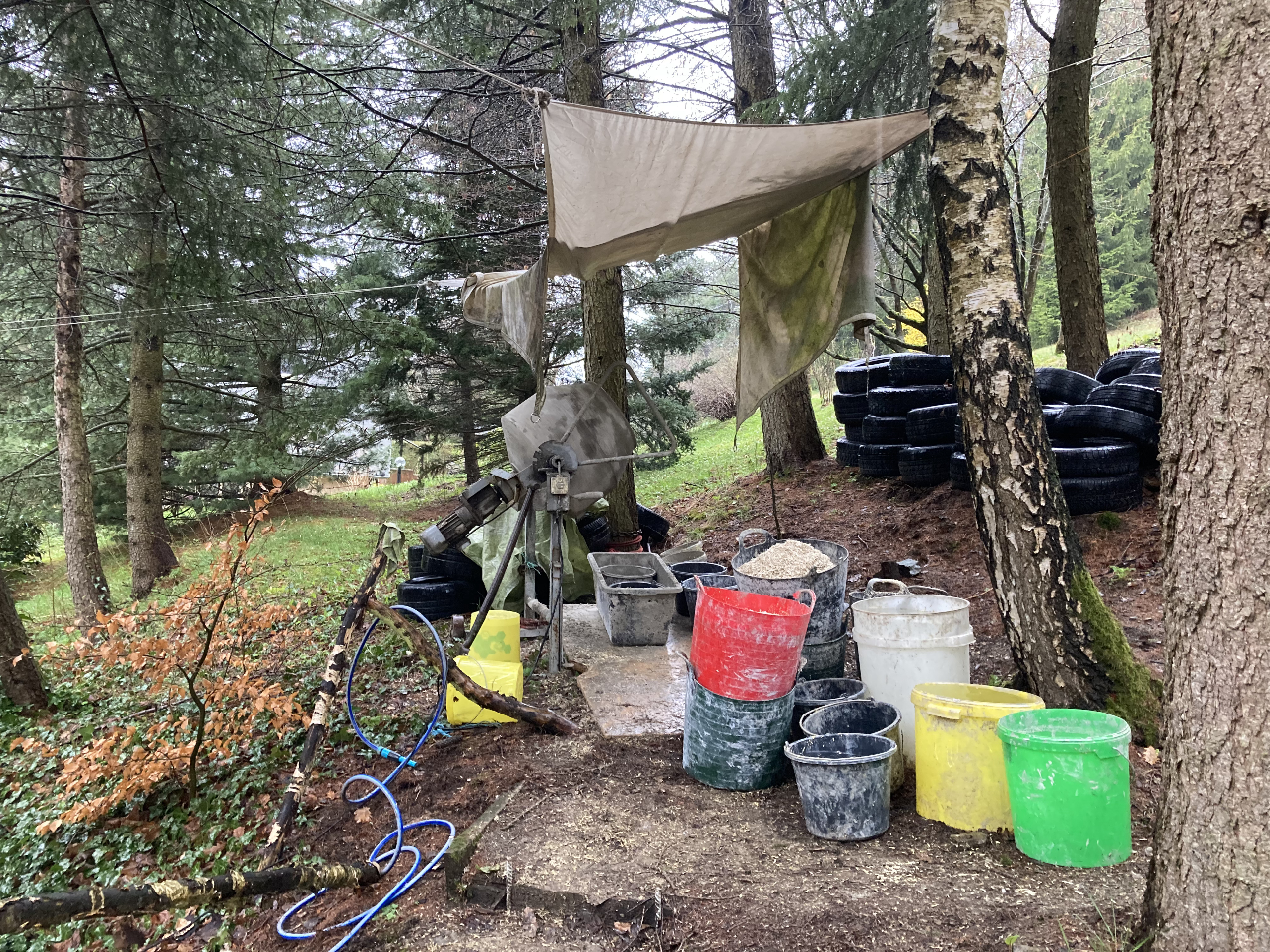
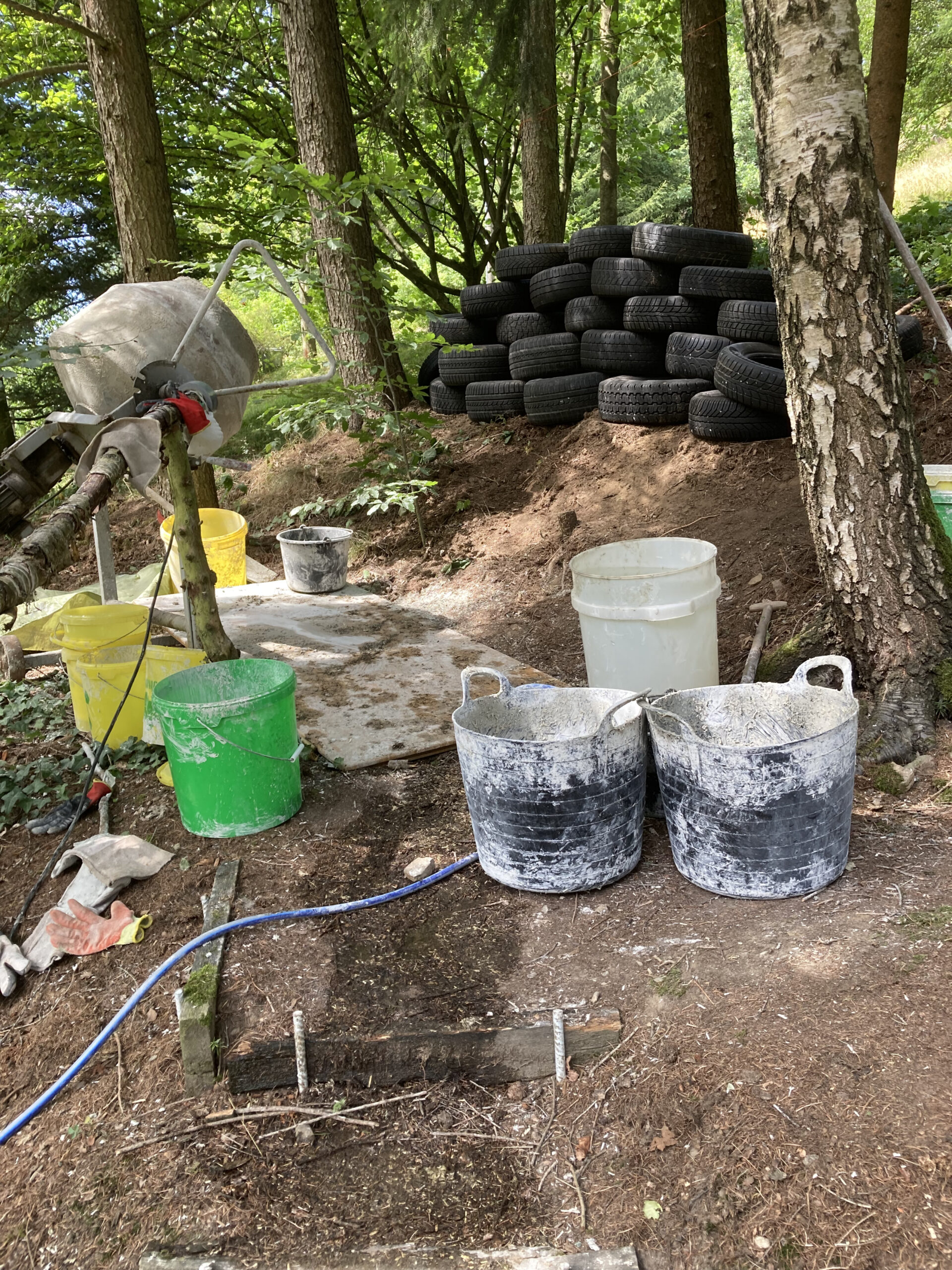
We then began in mid August 2022 the process of testing the mixing ratio and seeing if this incredible risk was going to pay off.  We had been gifted a cement mixer by Uta’s uncle who had just sold up his farm and was downsizing to a smaller property so was happy to offload this old and extremely heavy duty East German mixer. 

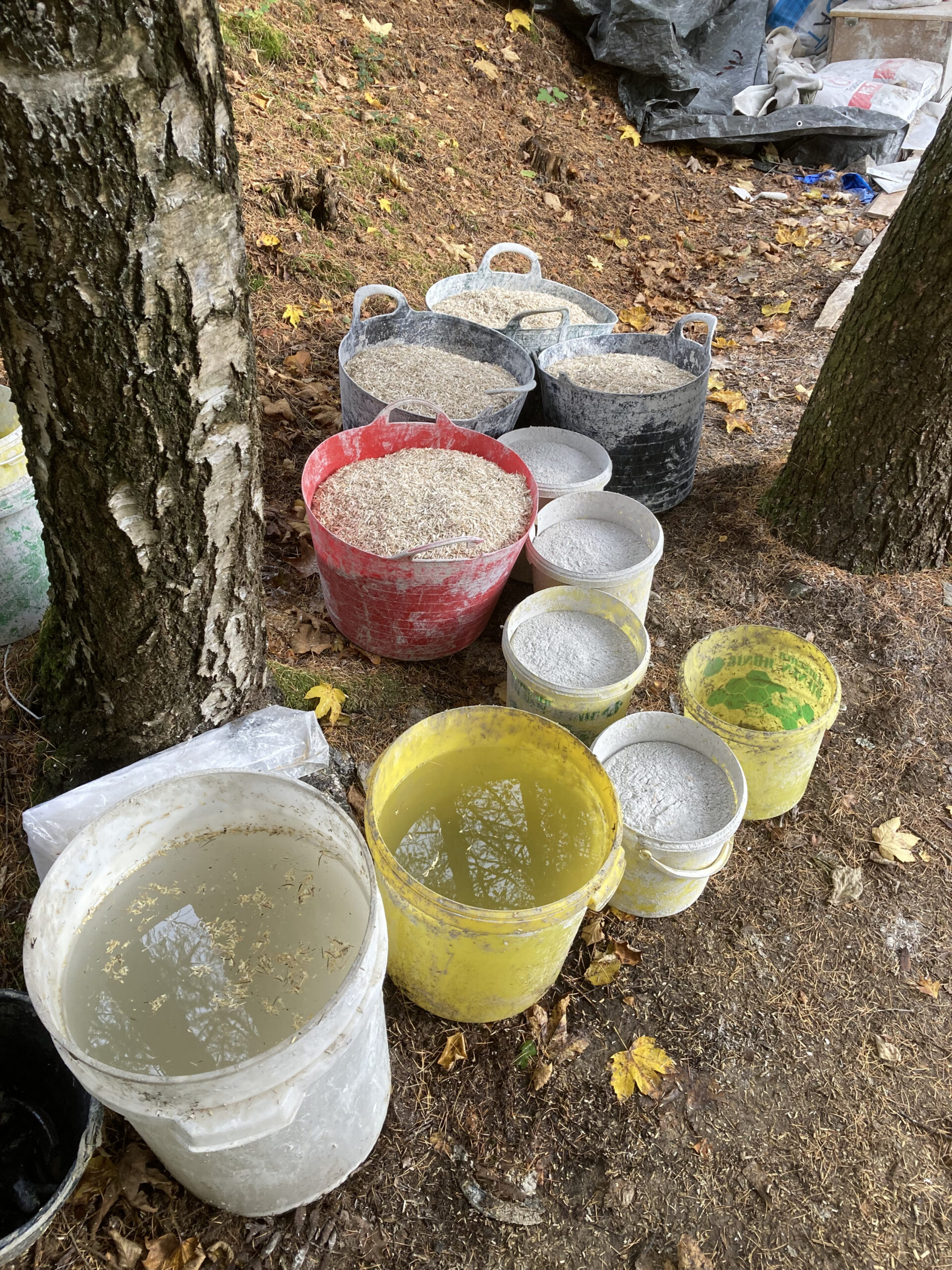
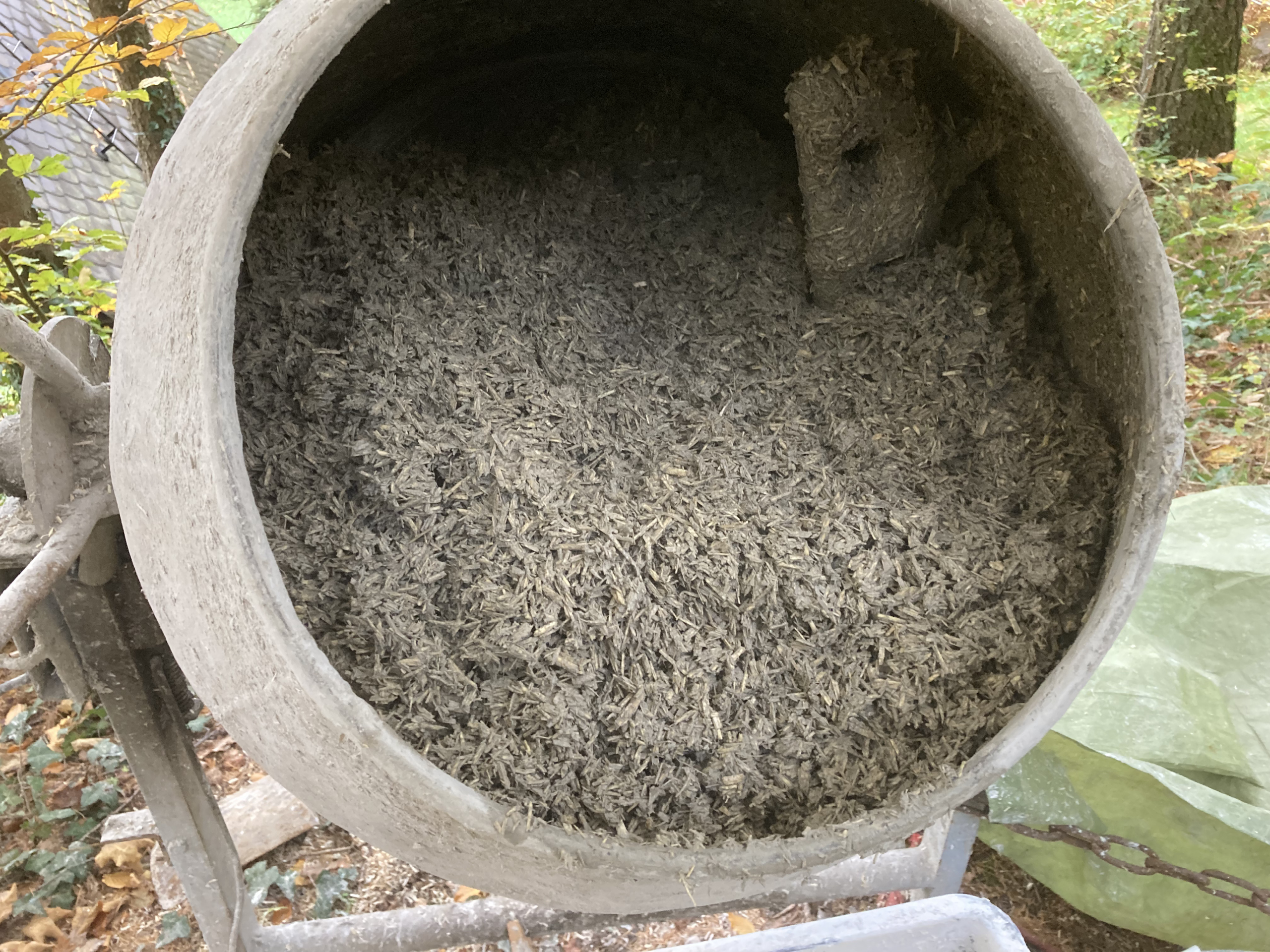
We’d worked out that 2 X 10ltr buckets 90% full of binder, added to 2 X 10ltrs buckets of water and then 2 X 80% full 40ltr buckets of hemp shiv should be our perfect ration. This took a bit of head scratching and I’m sure we tweaked it as we went but this was our starting point. The first couple of mixes balled and we had to save these in various buckets to break up and add back in to later mixes, but was a good learning curve to how to mix and not add things too quickly. ( weeks later I realised that atmospheric conditions played a big role in how easily the mix went)

This was our 3rd mix, we're still trying to figure things out..... so don't judge too much!!

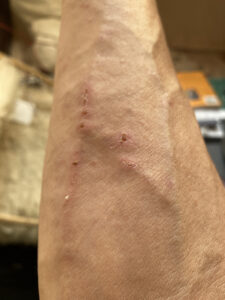
What we hadn’t accounted for is that the lime just somehow manages to get down into the gauntlet and mixes with your sweat and then very gradually starts to burn your wrists and forearm. We both had quite bad lime burn that first week and had to take a few days off to grease up and regroup. The 2nd week was little better and we started shuttering off the walls and internal roof and began the extremely slow process of filling in the hempcrete as we’d intended.

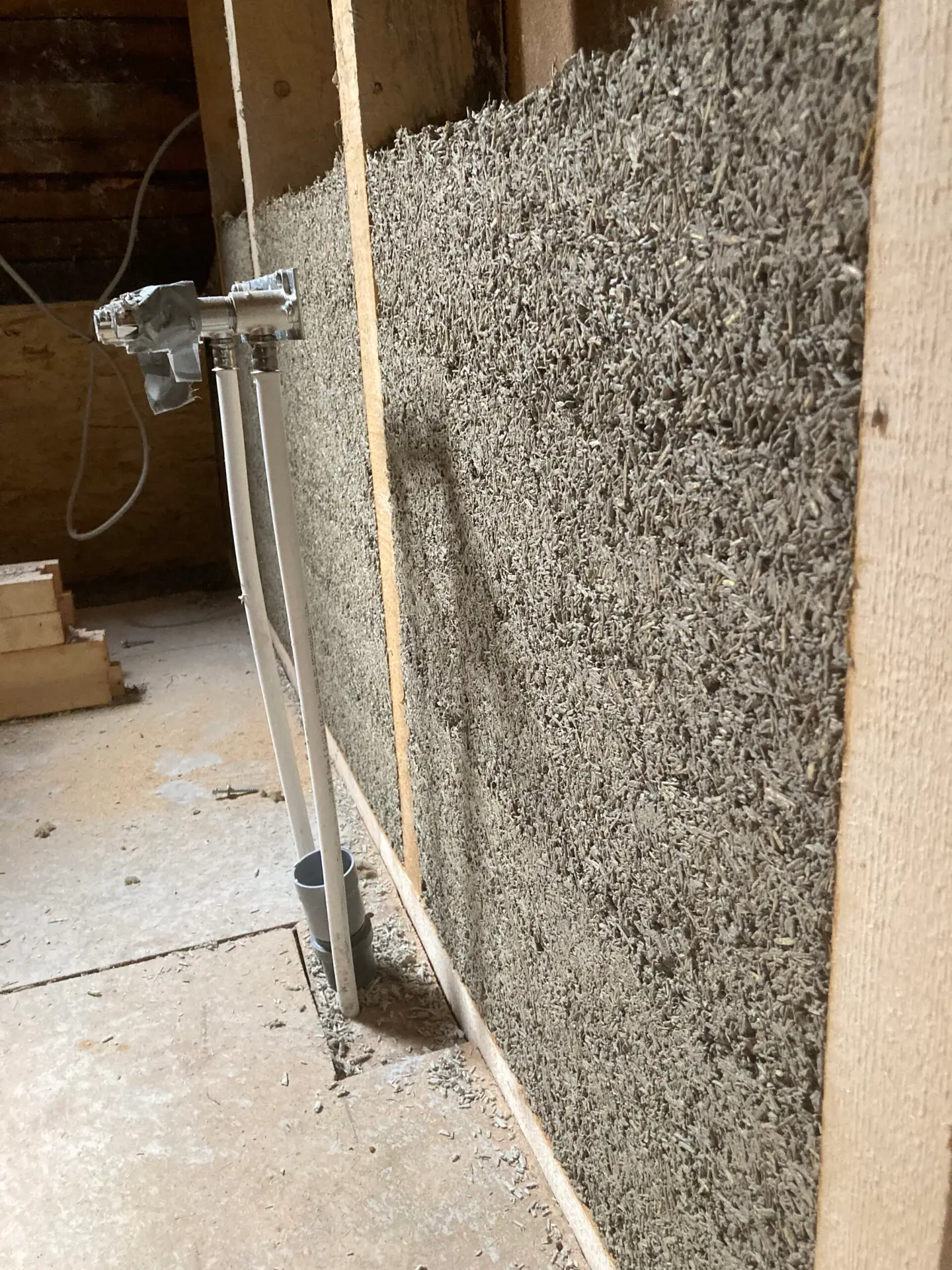
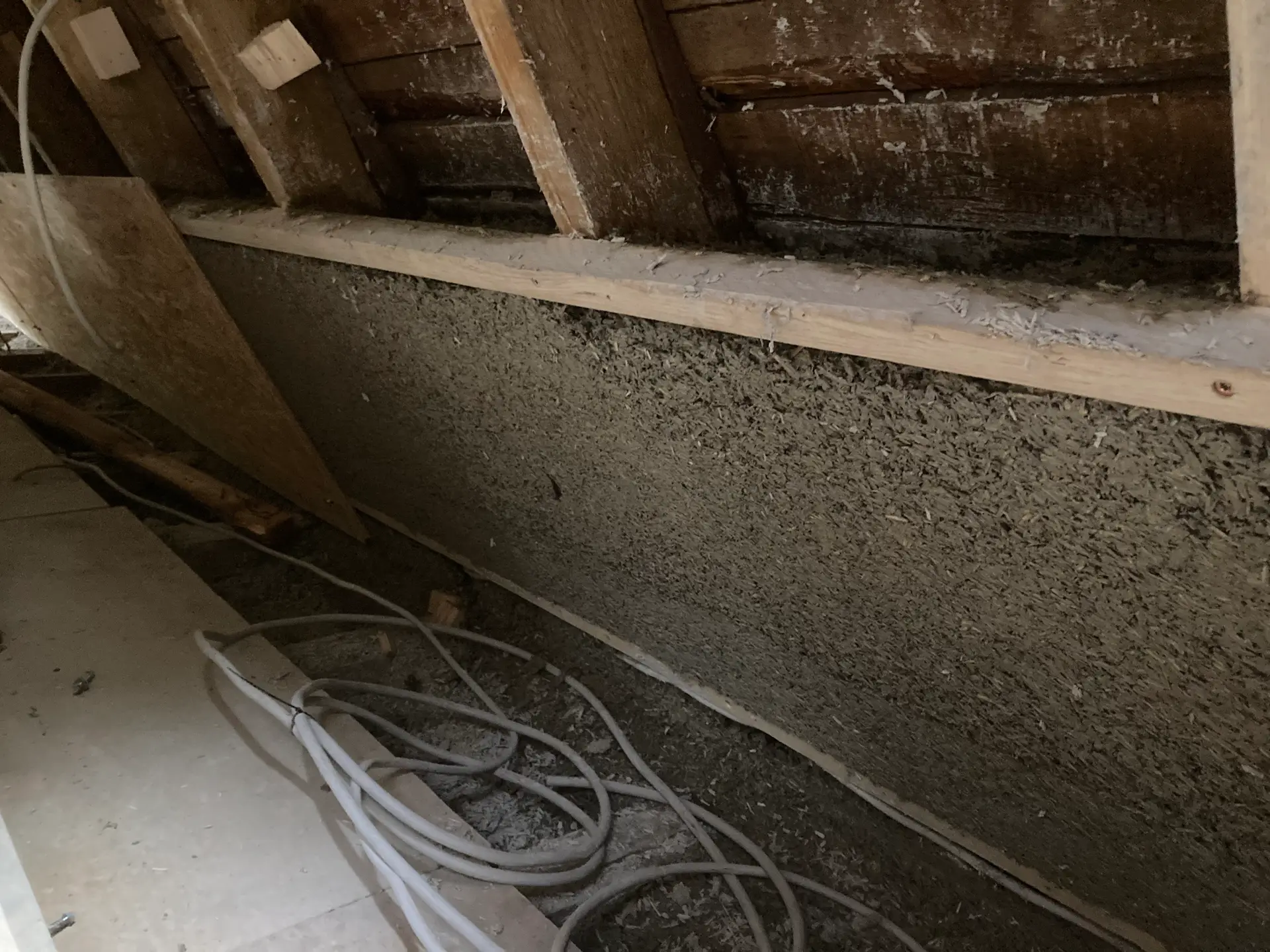
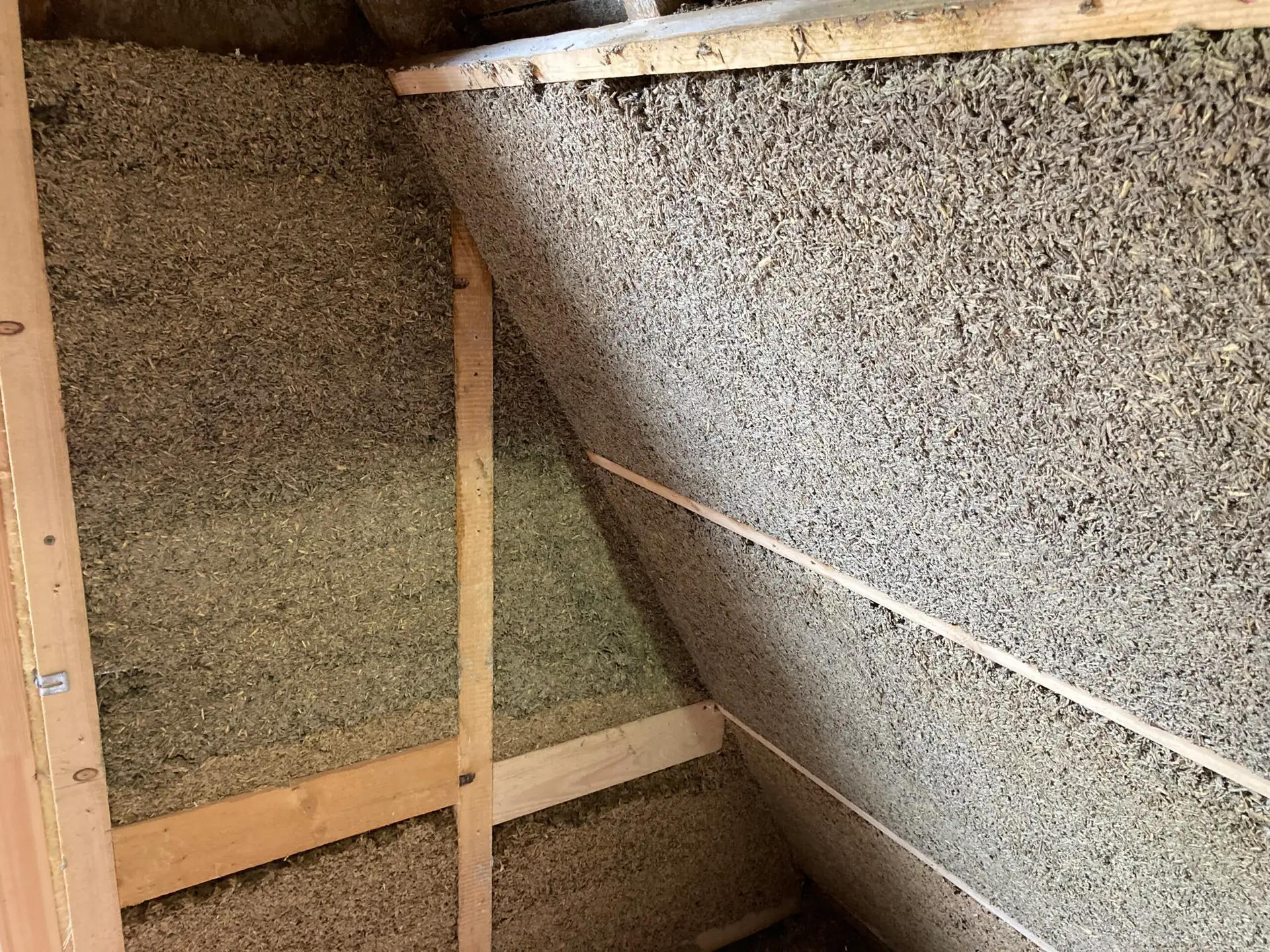
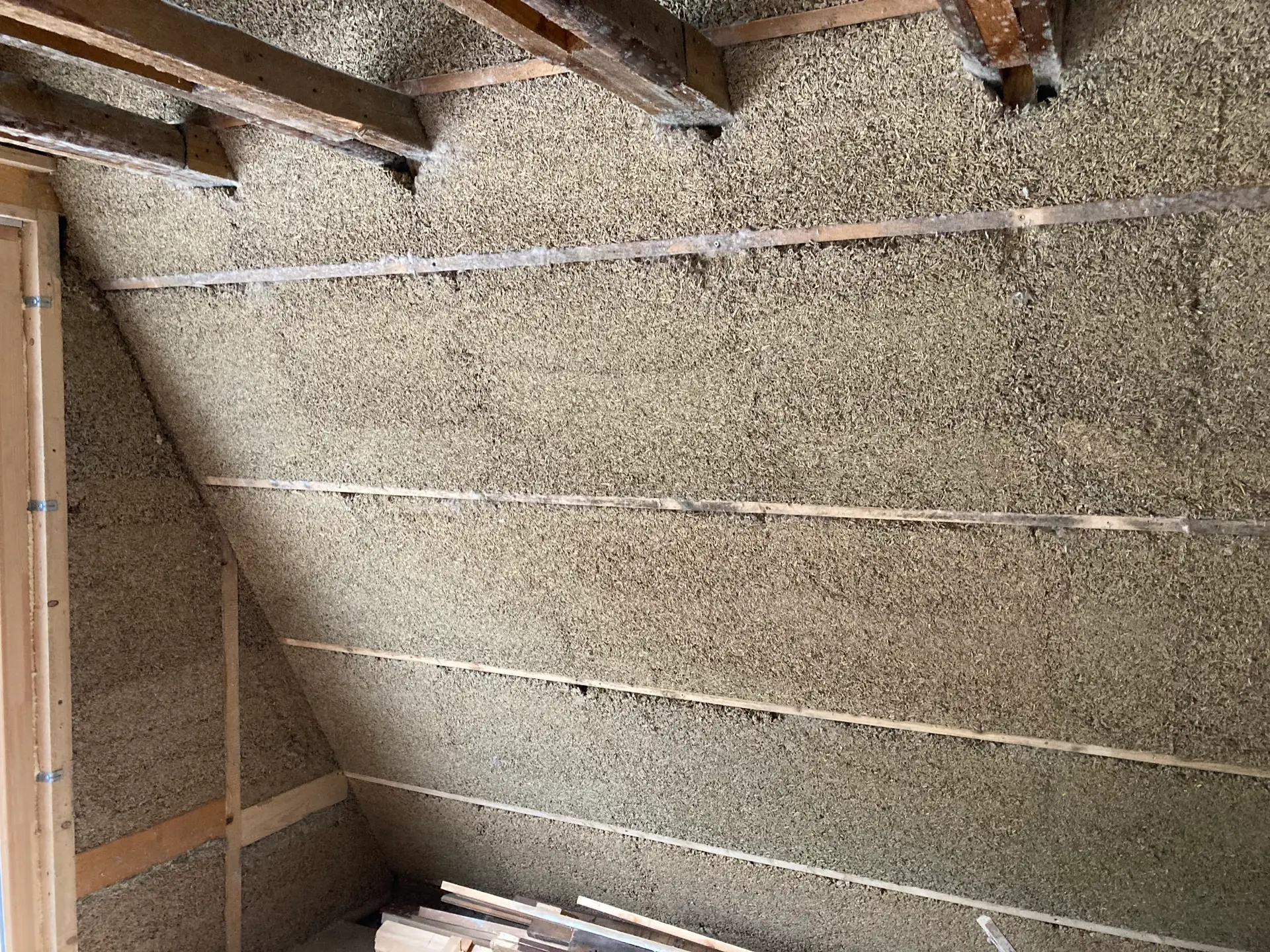
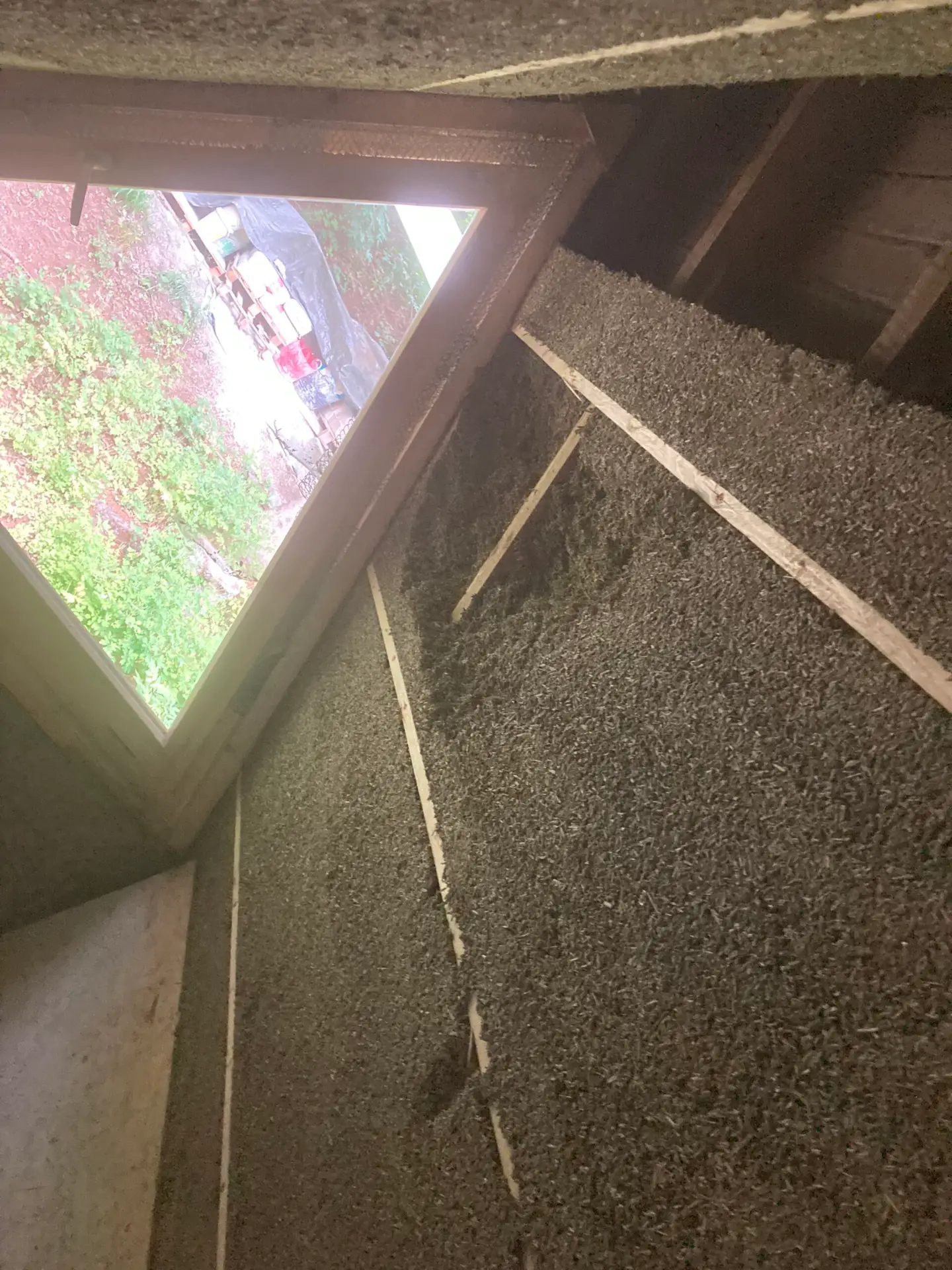
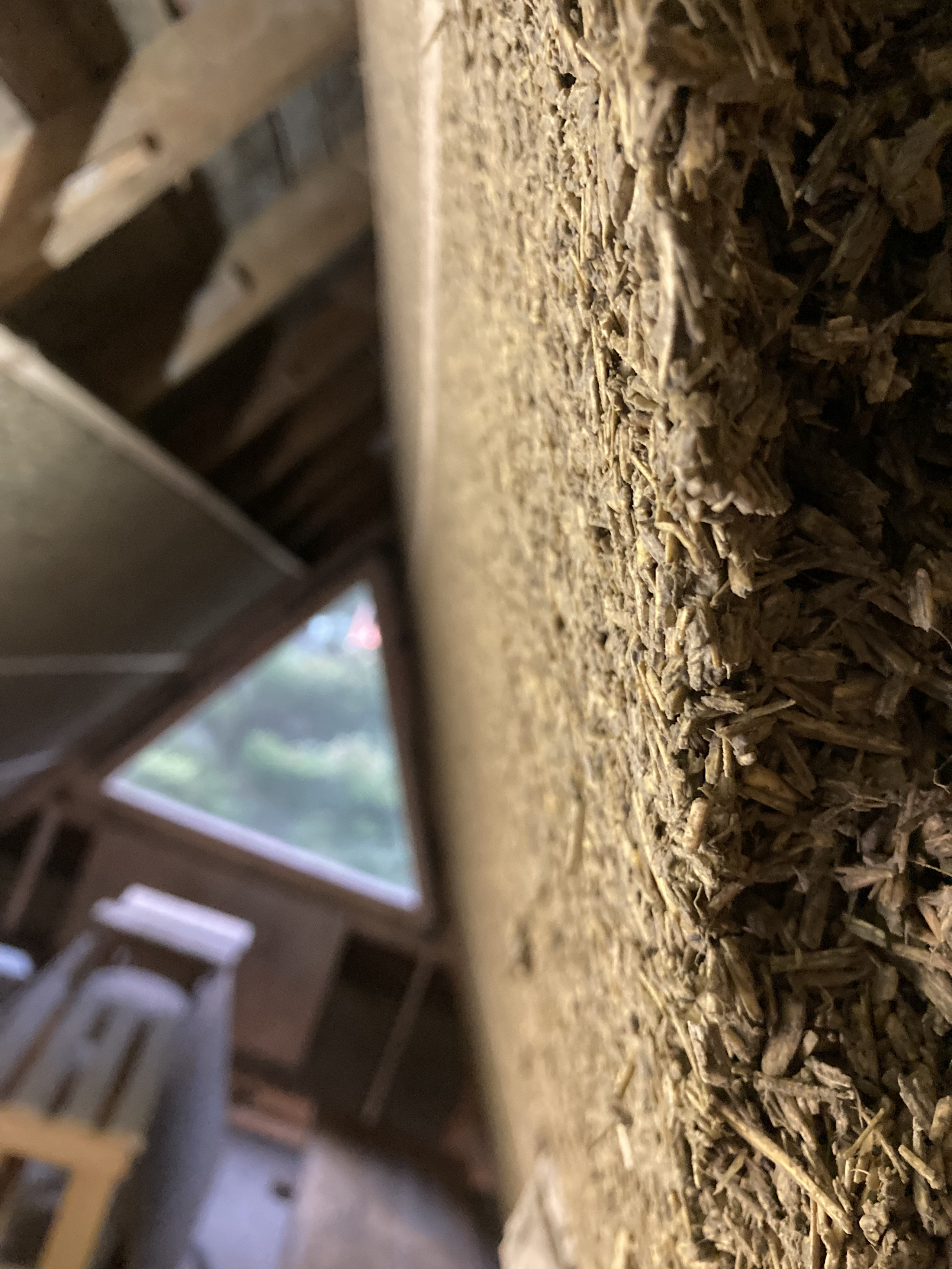
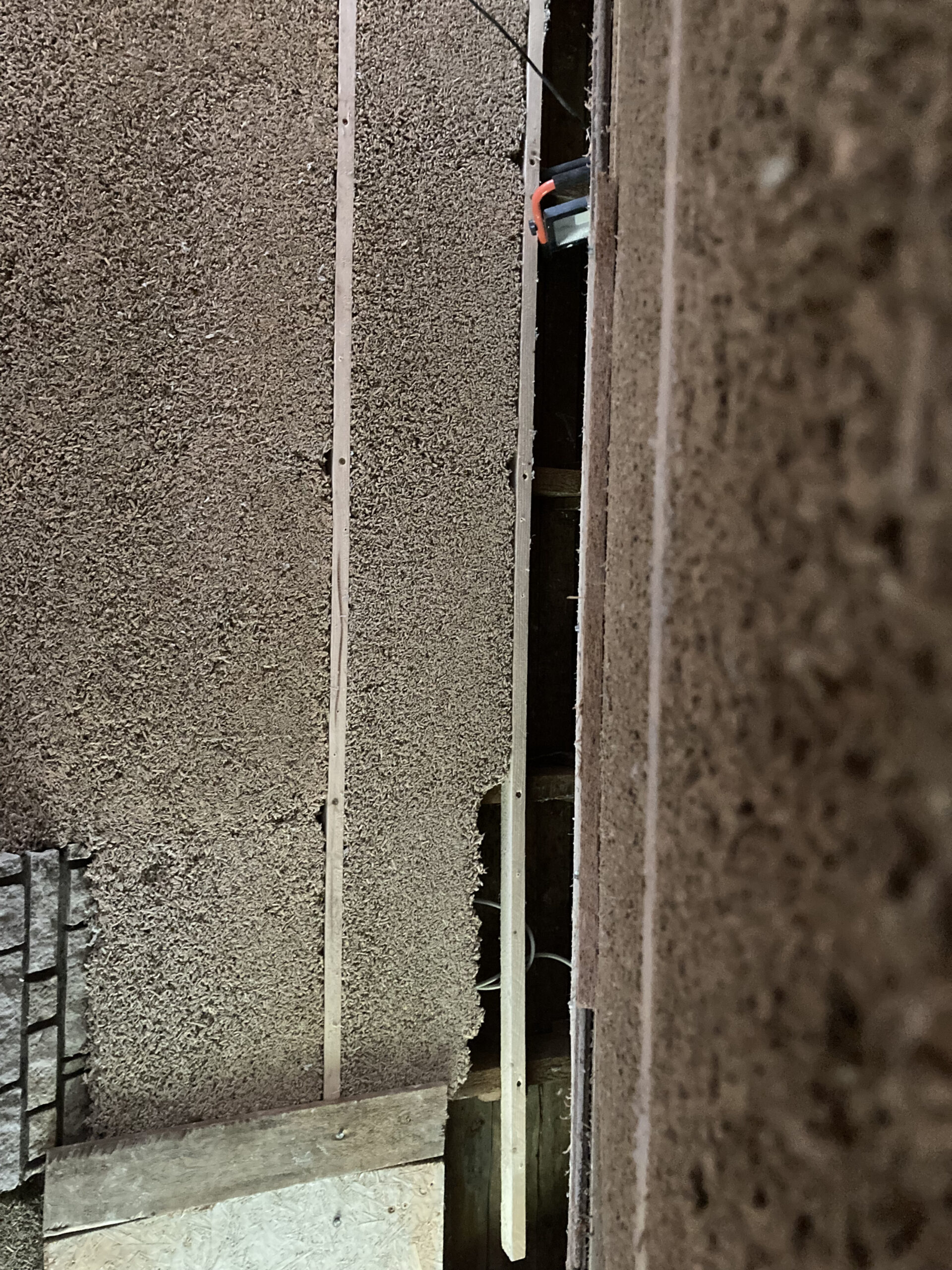
We worked hard and methodically and by the end of our time that summer we hadn’t got anywhere near to where we wanted to get. However, we’d figured out that we can mix and install hempcrete. We cautiously removed the first few shuttering boards and admired our handywork albeit just 1 level of shuttering. But it looked just like the photo’s we’d seen online and we we’re pleased with our efforts.

We returned back to UK late August, but with an ominous sense that this is going to take a long time to complete.
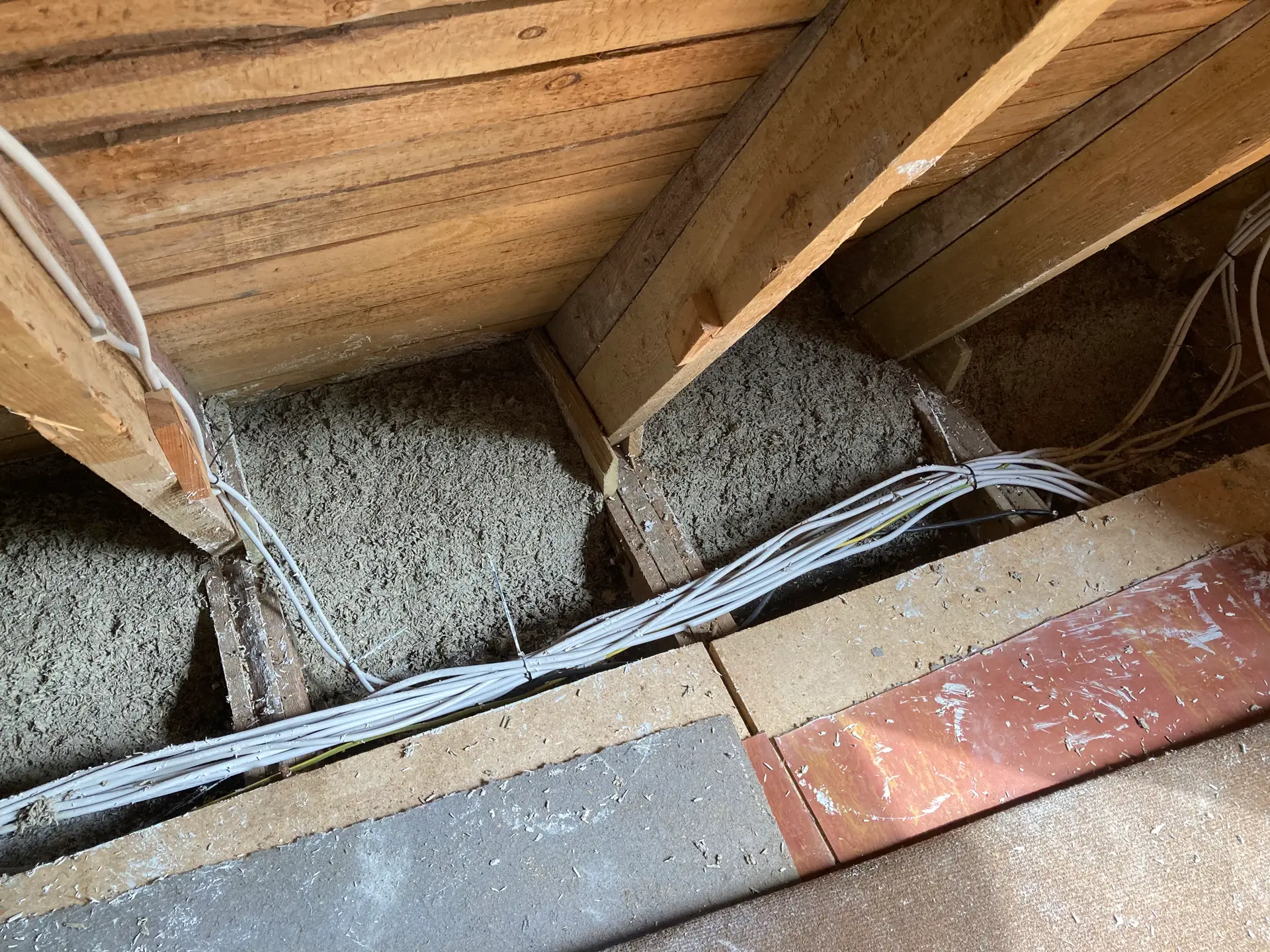
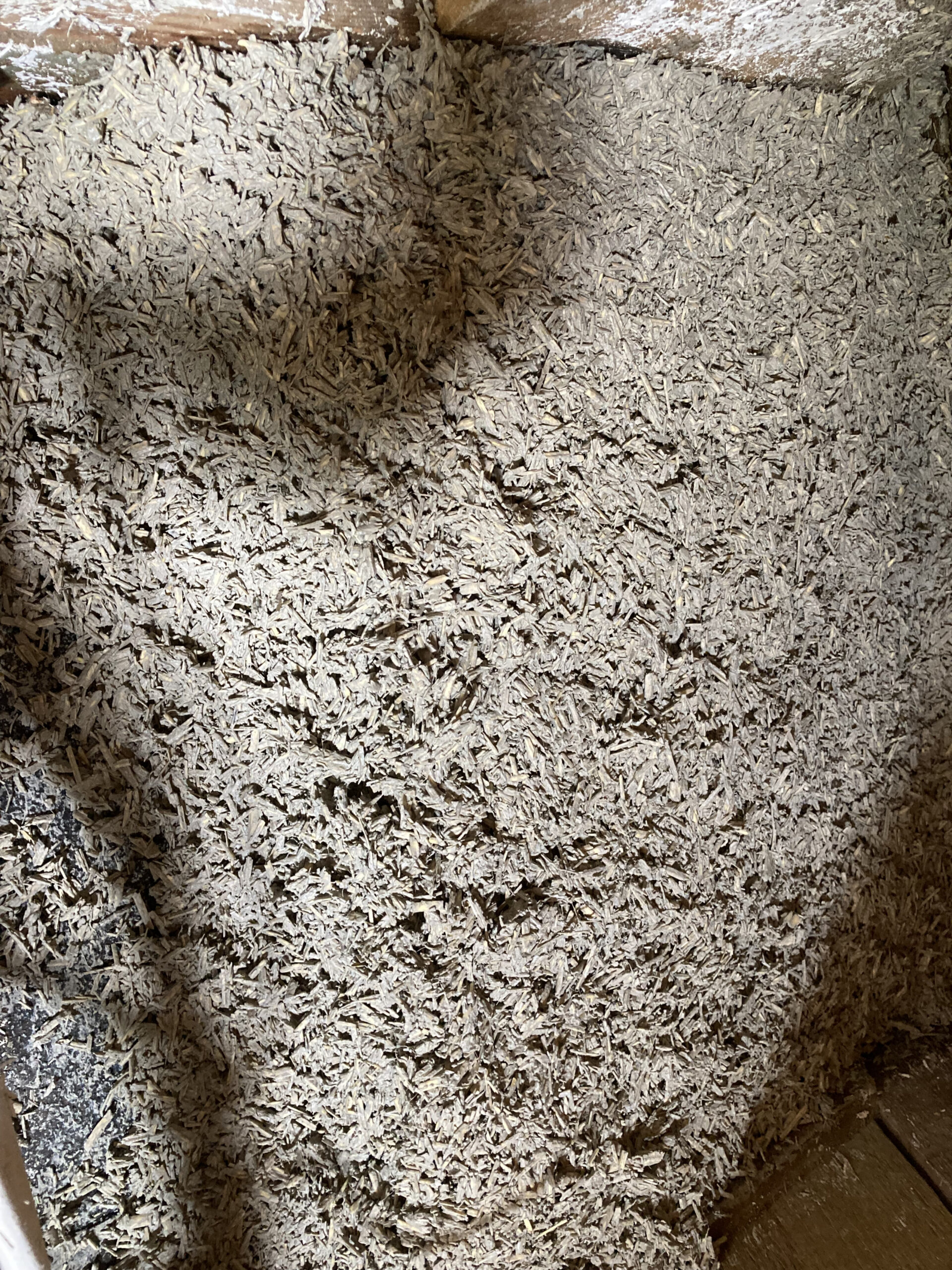
Here's a hempcrete mix in realtime showing the whole process

Filling The Void

The installation process

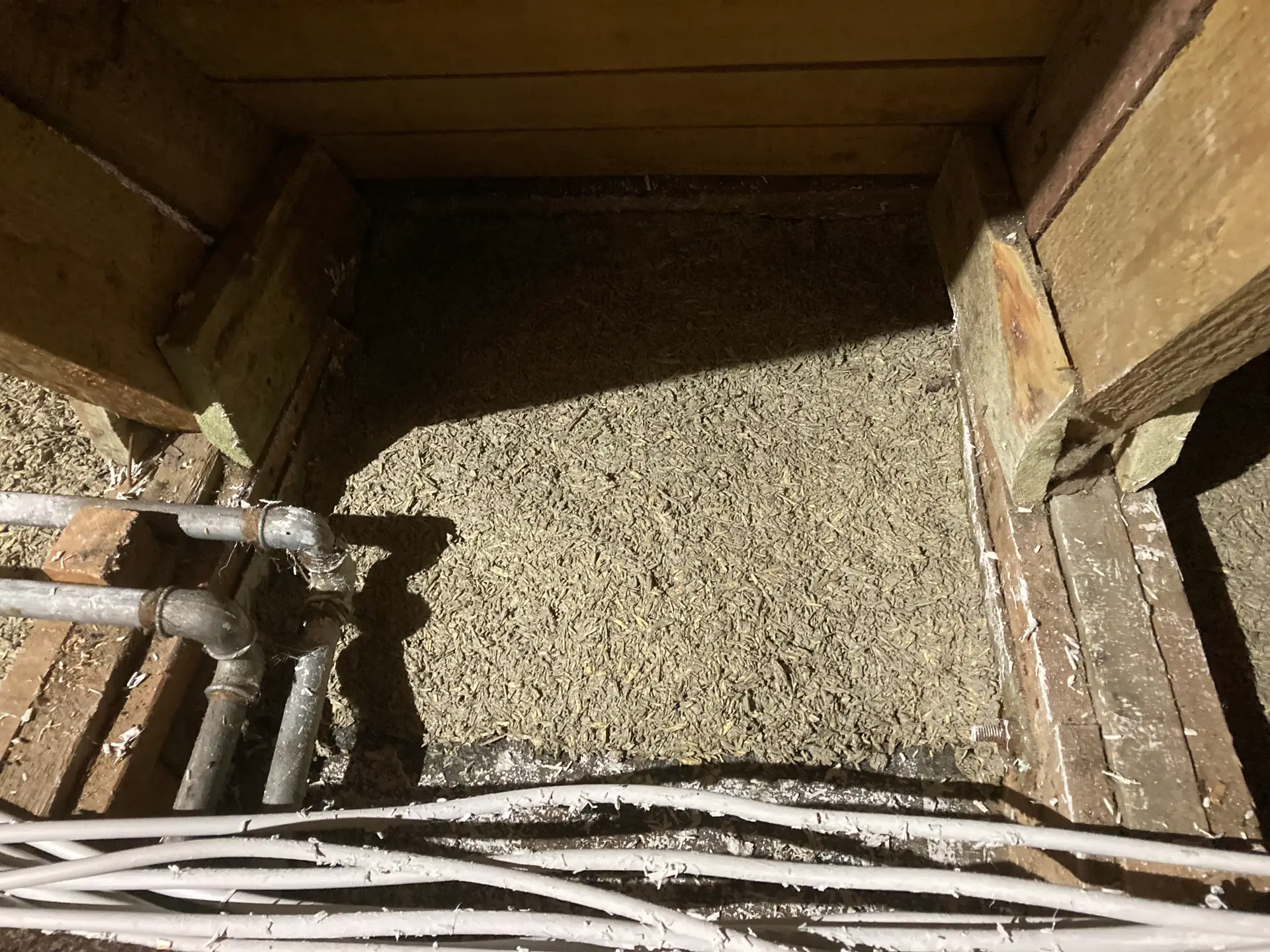
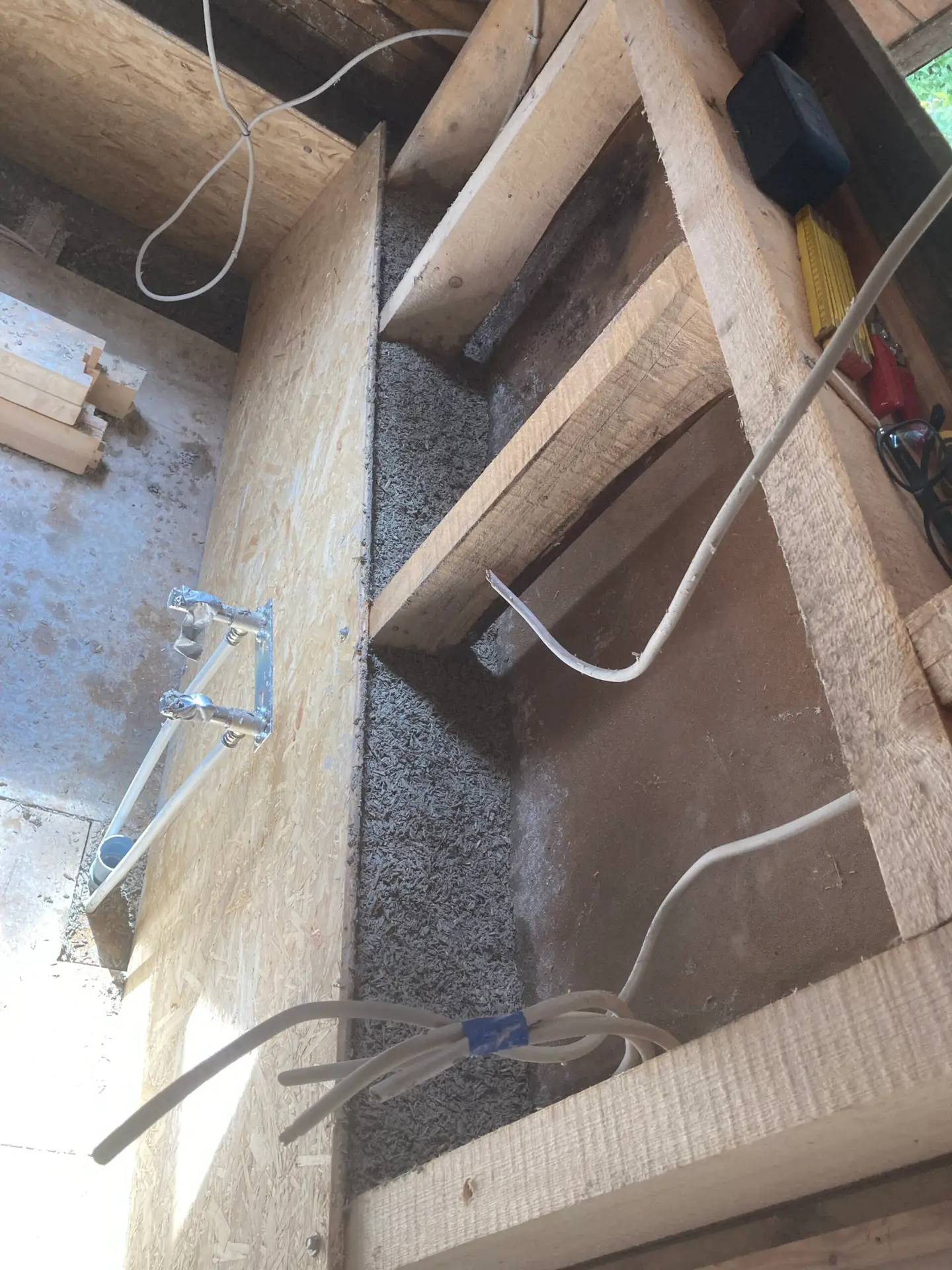
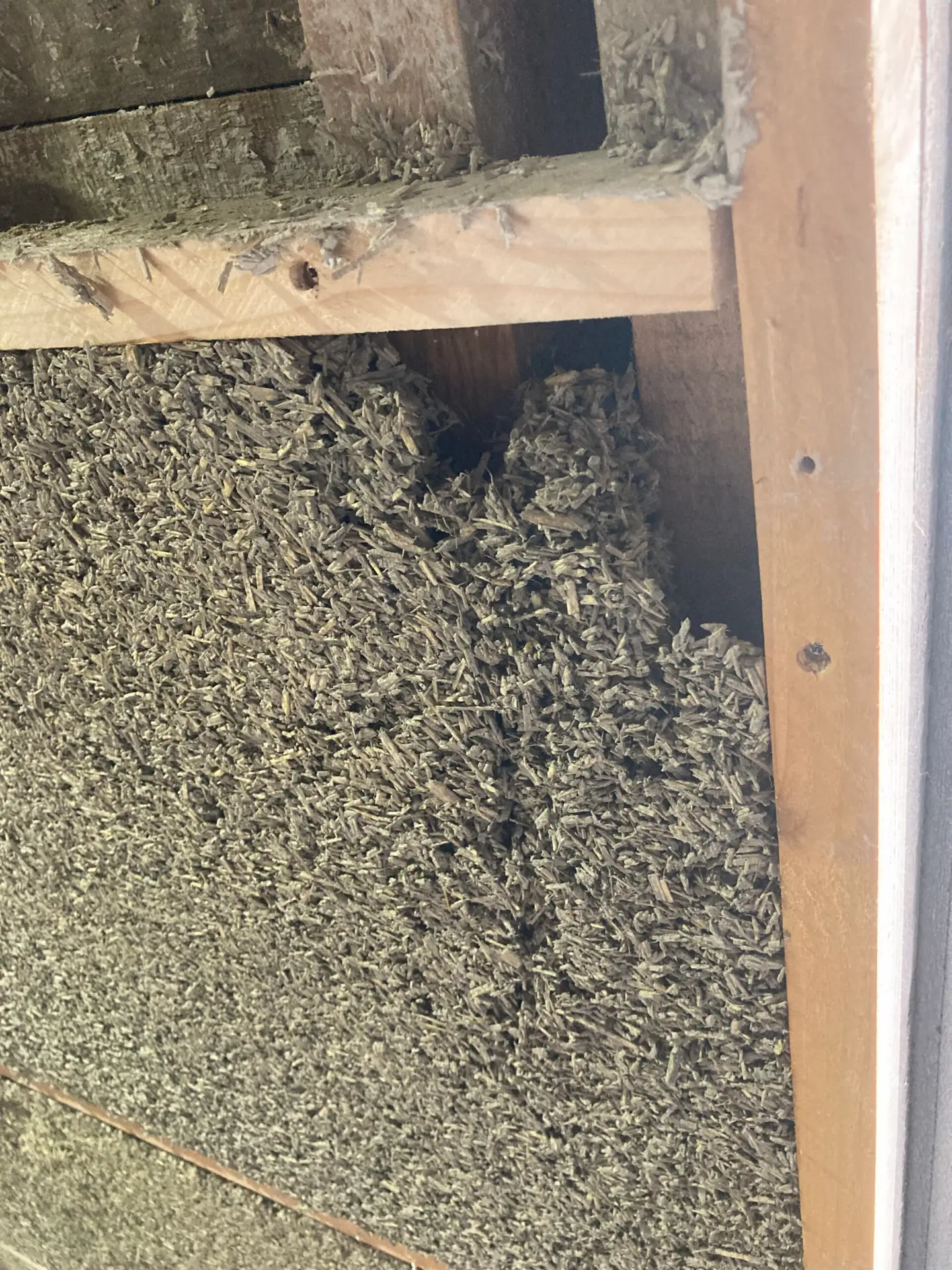
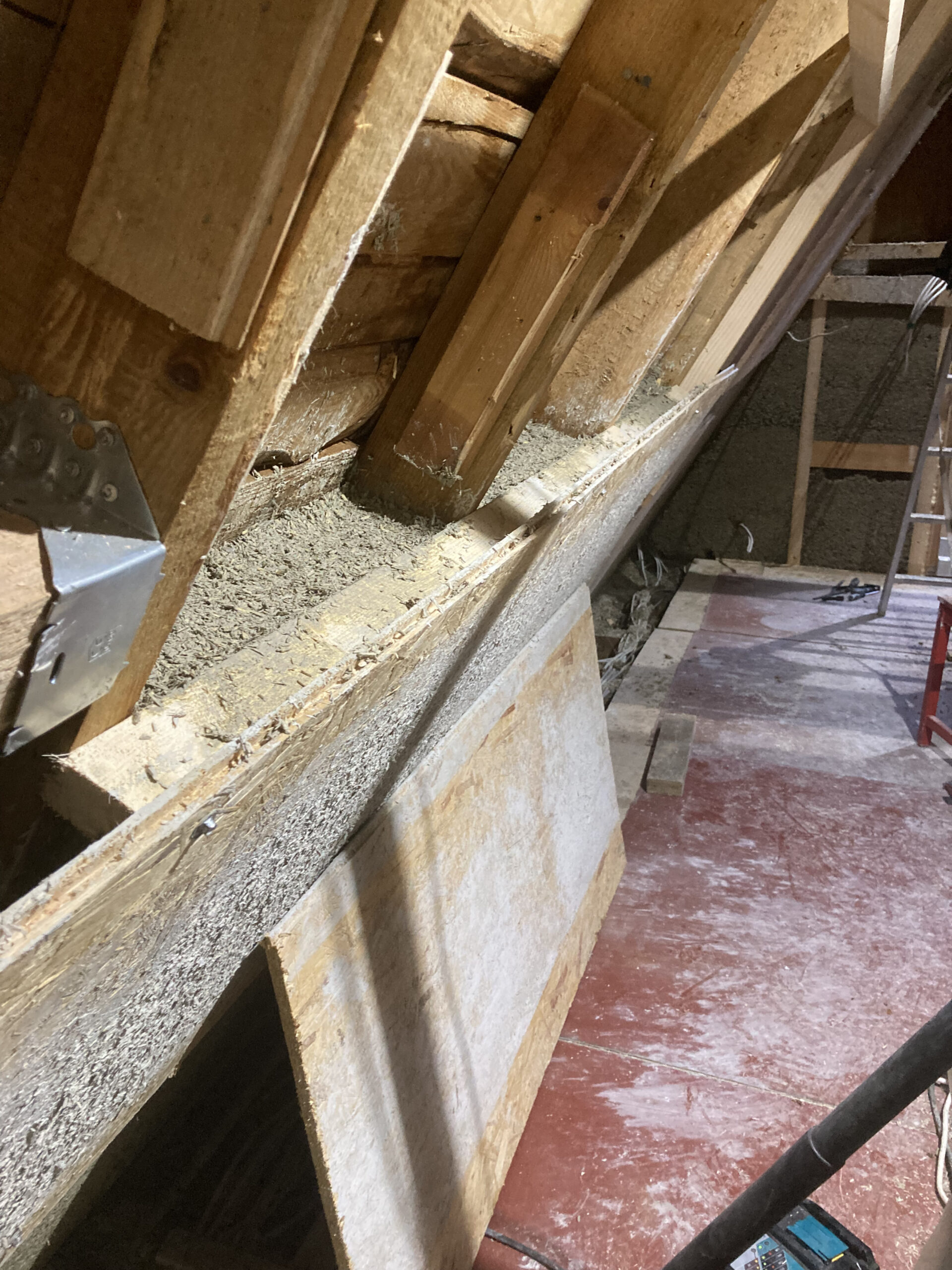
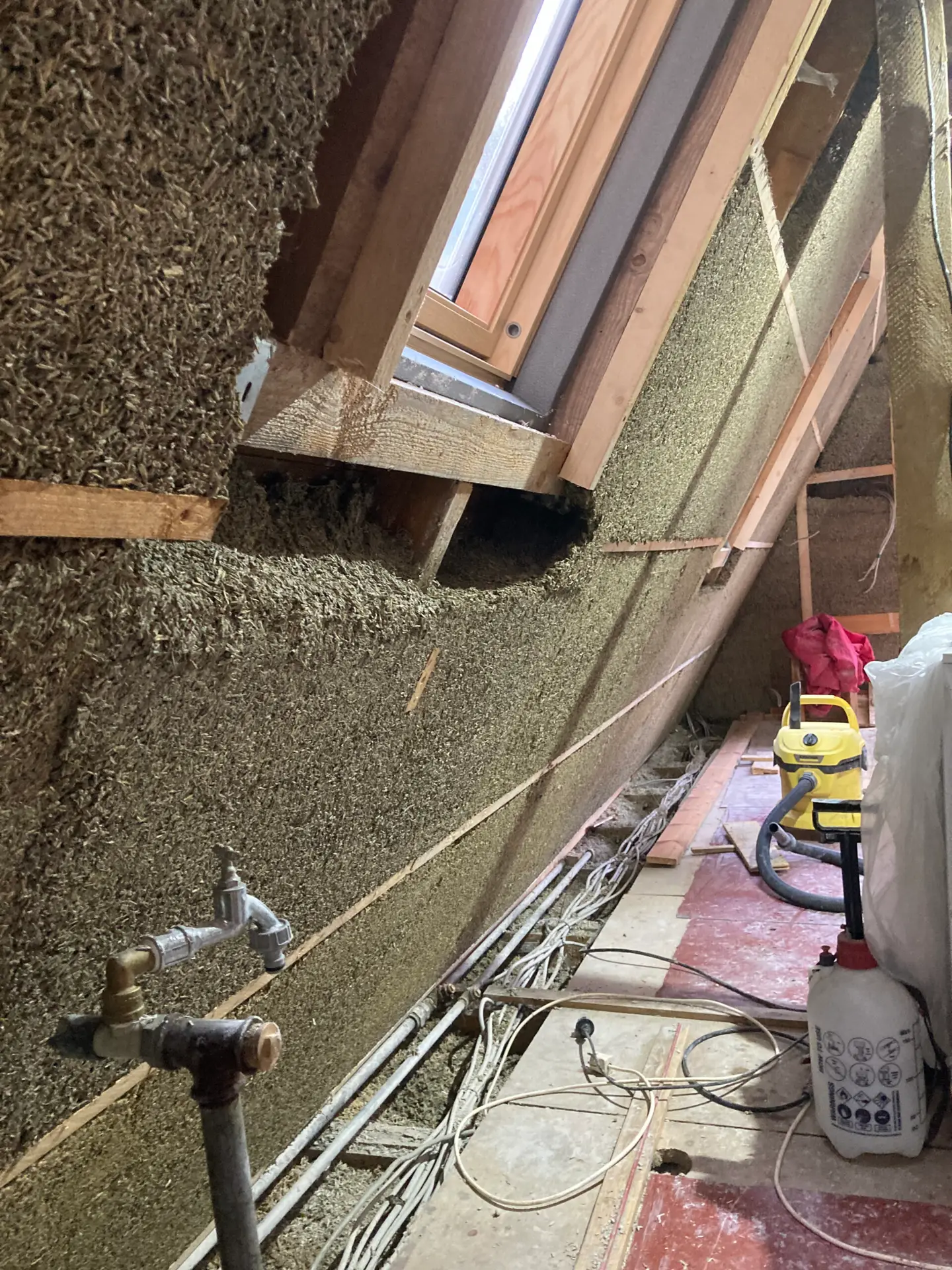
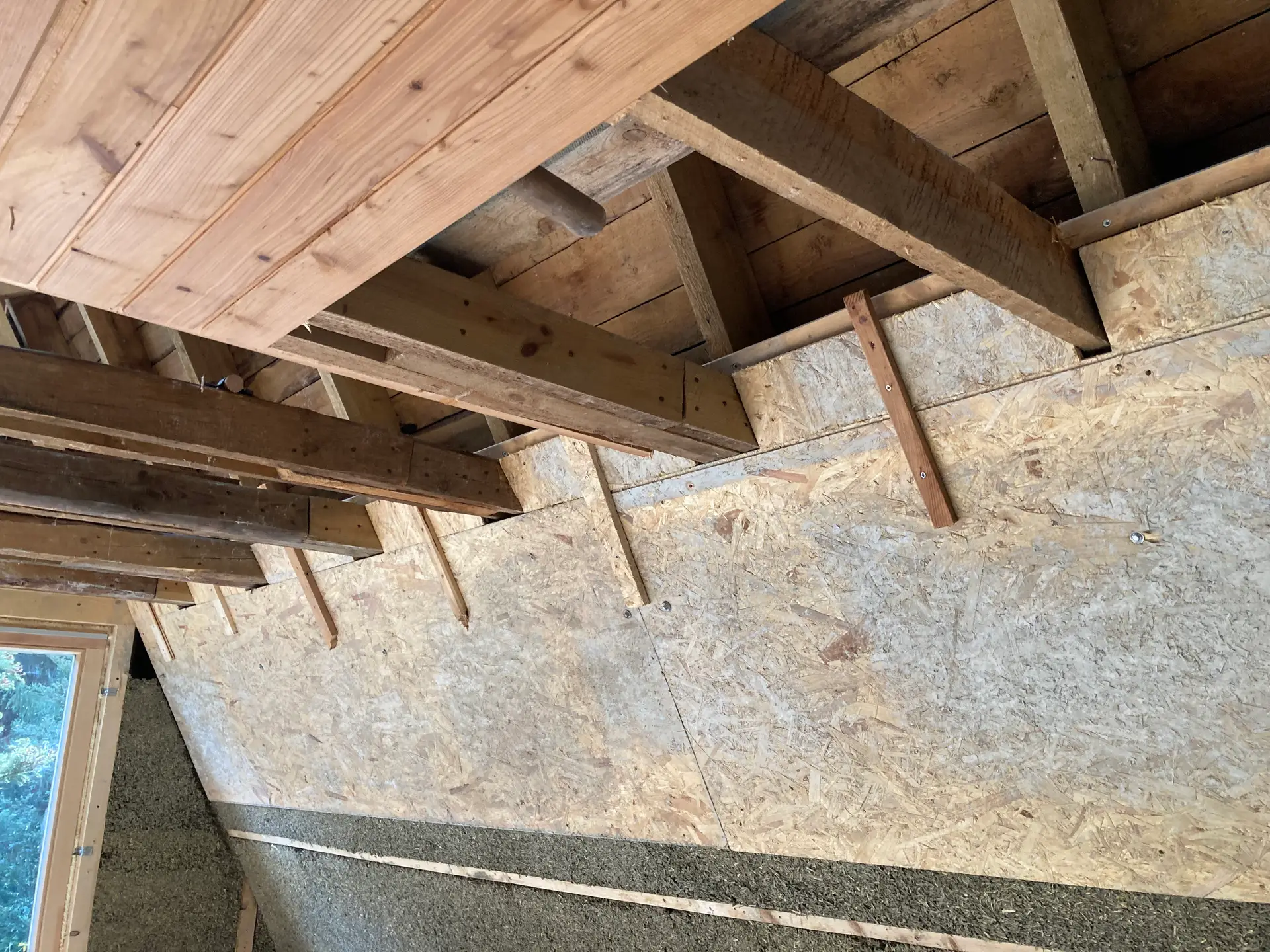
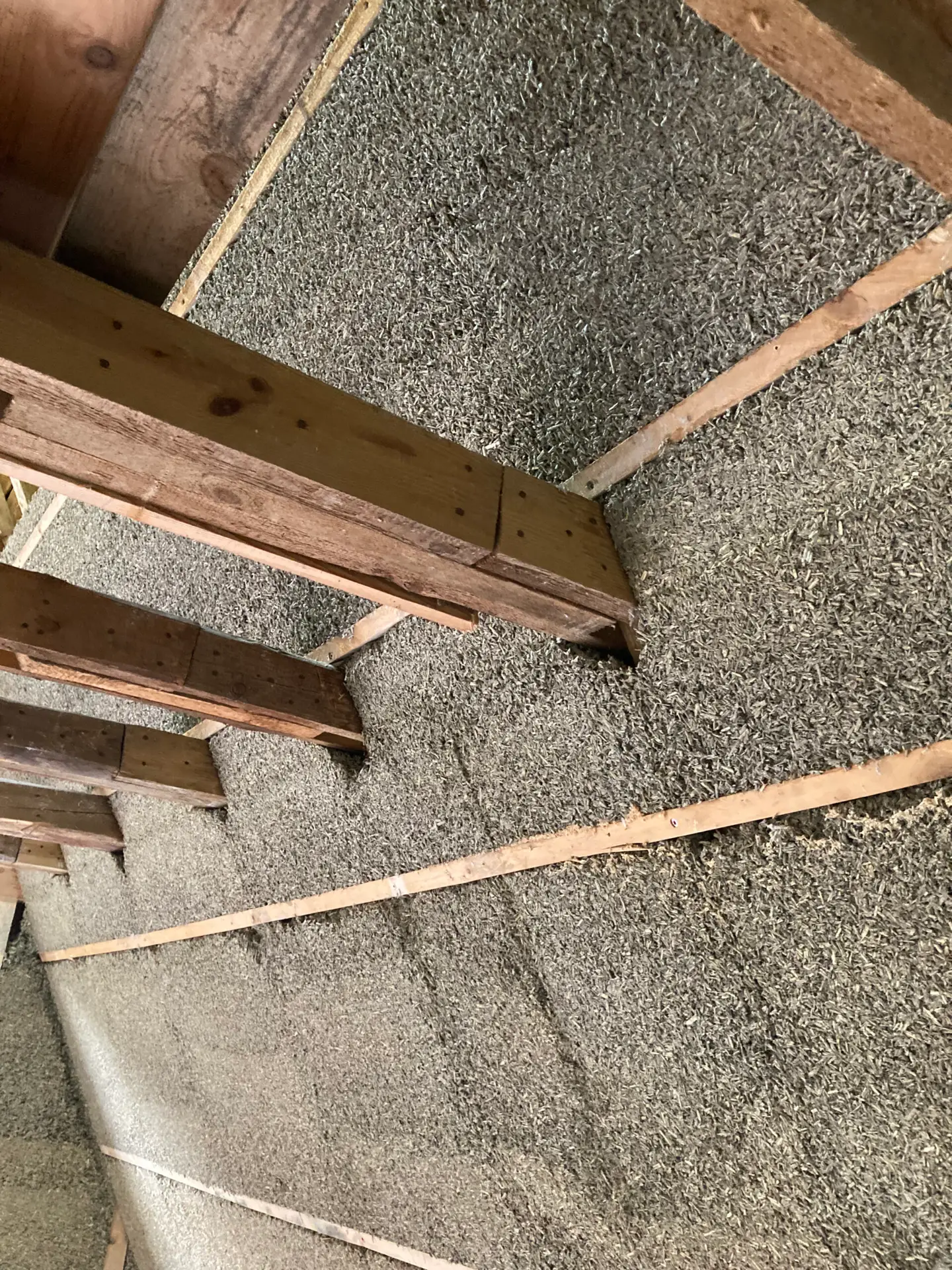
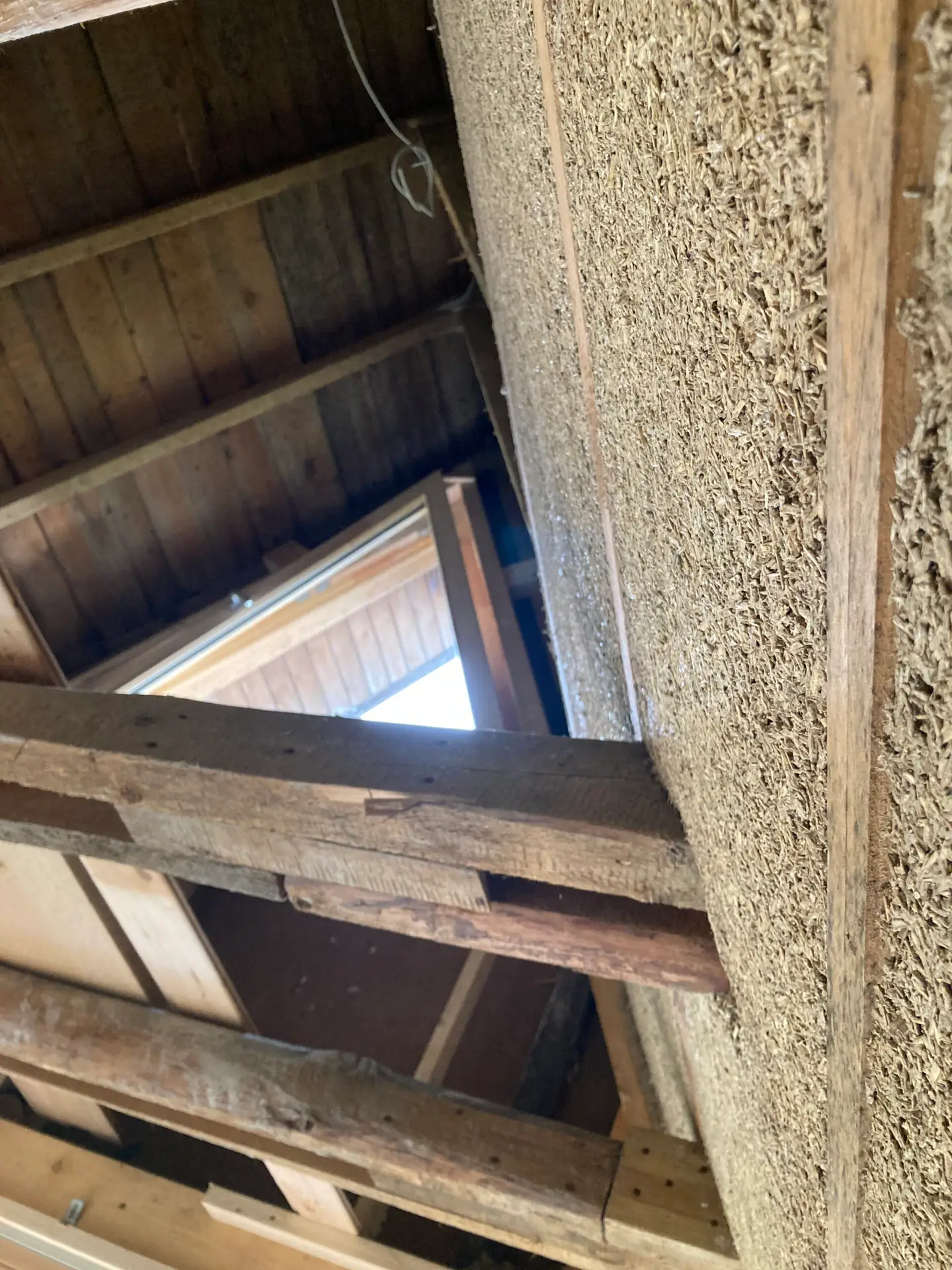
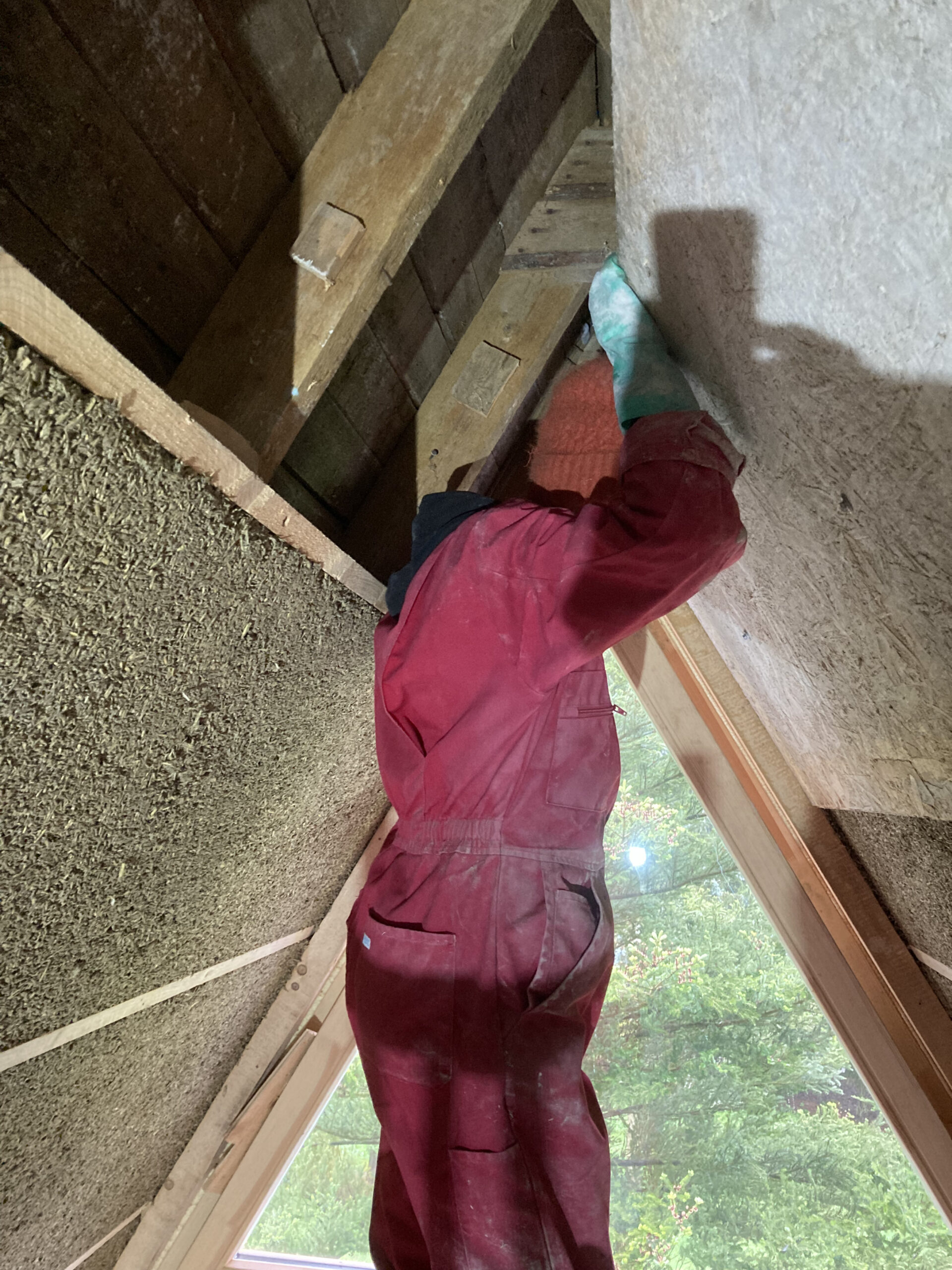
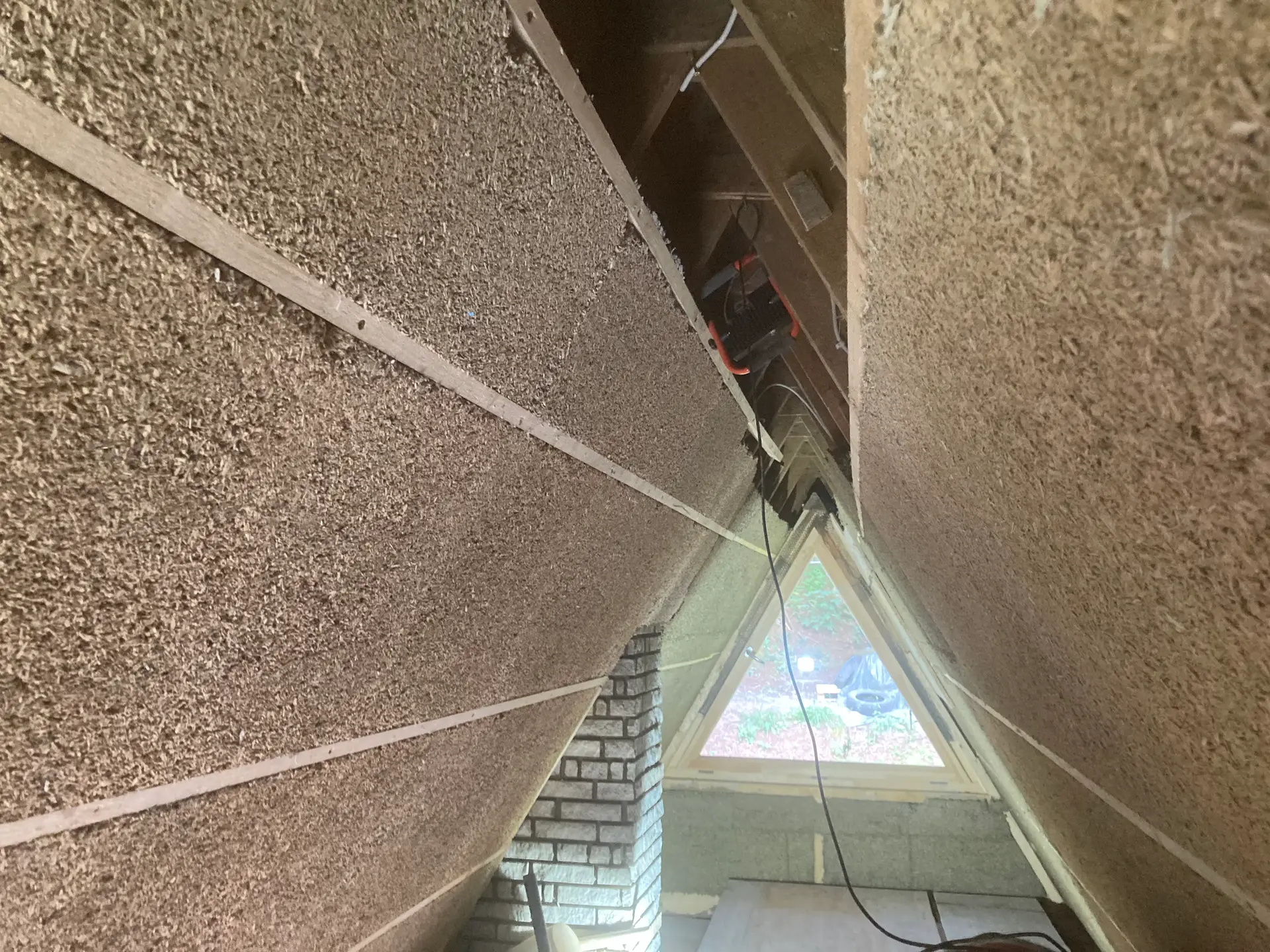
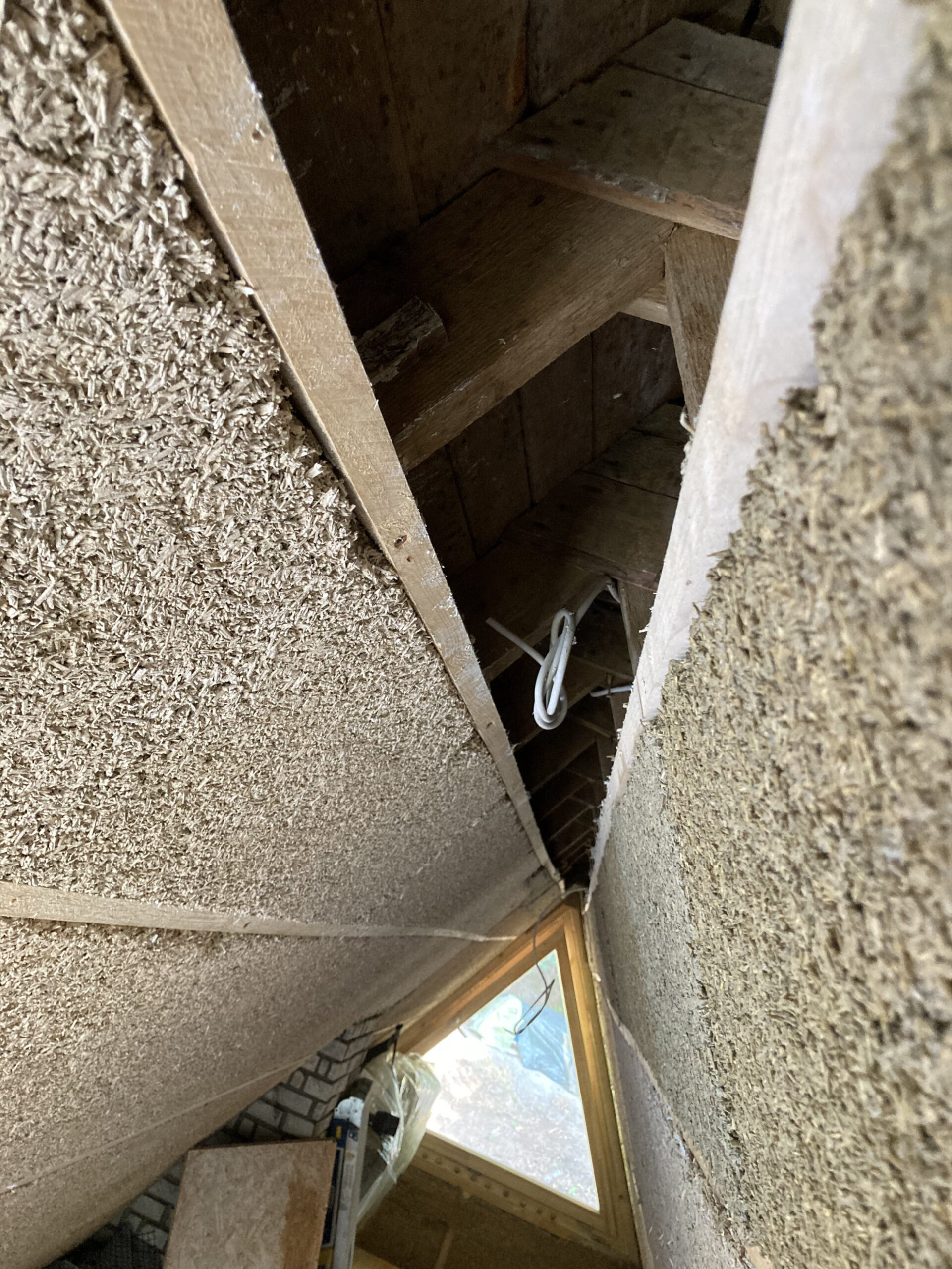
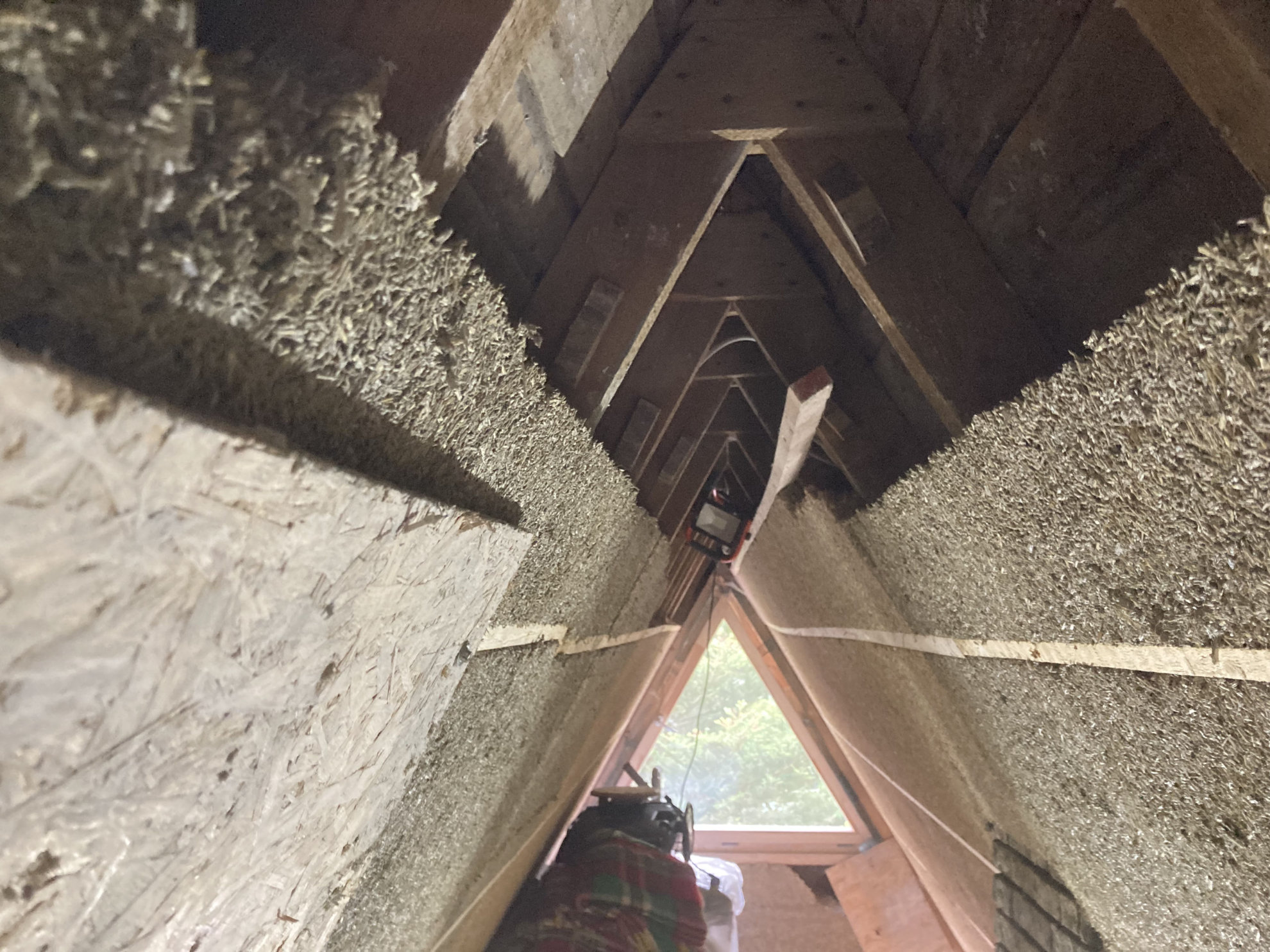
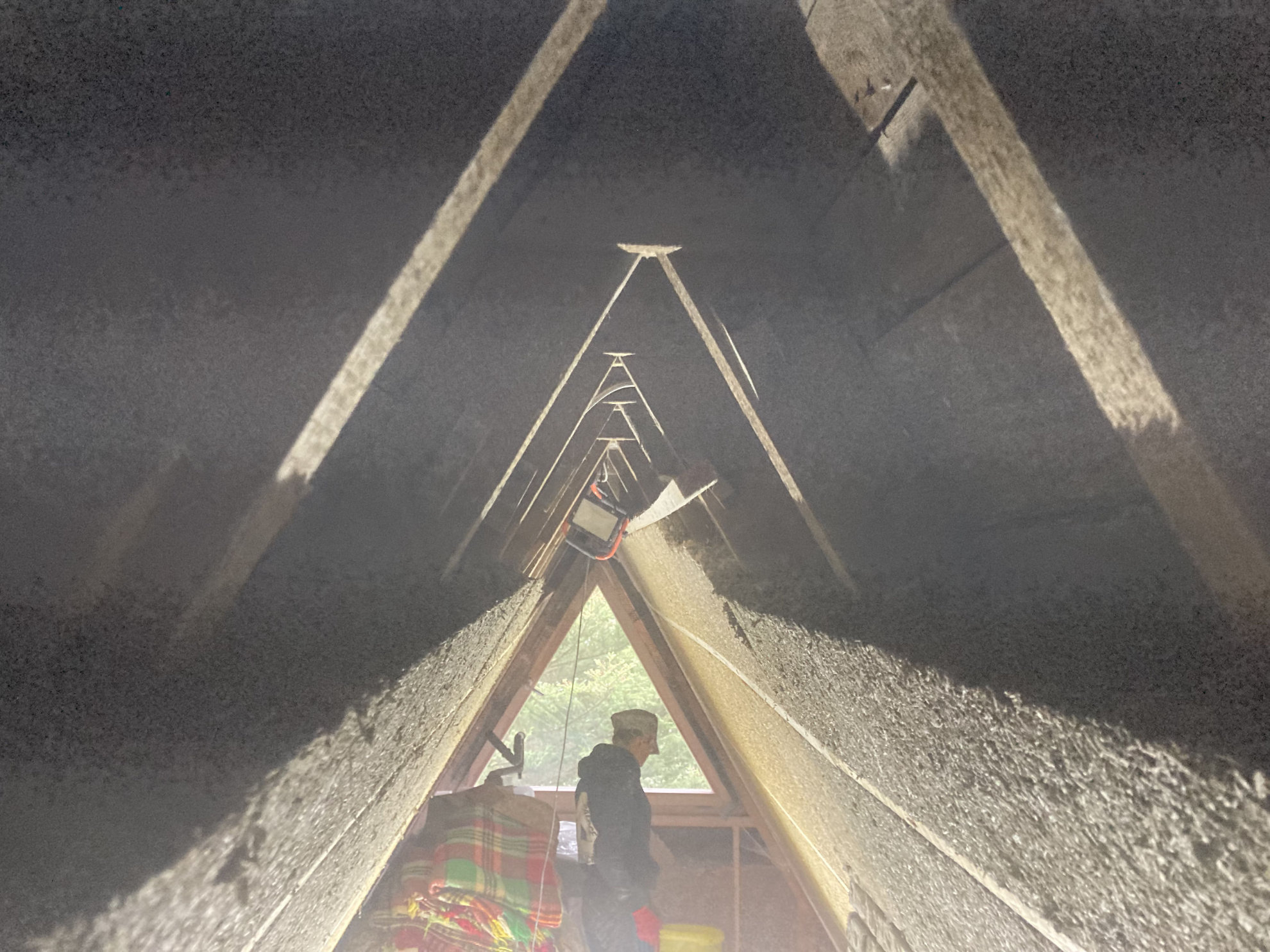
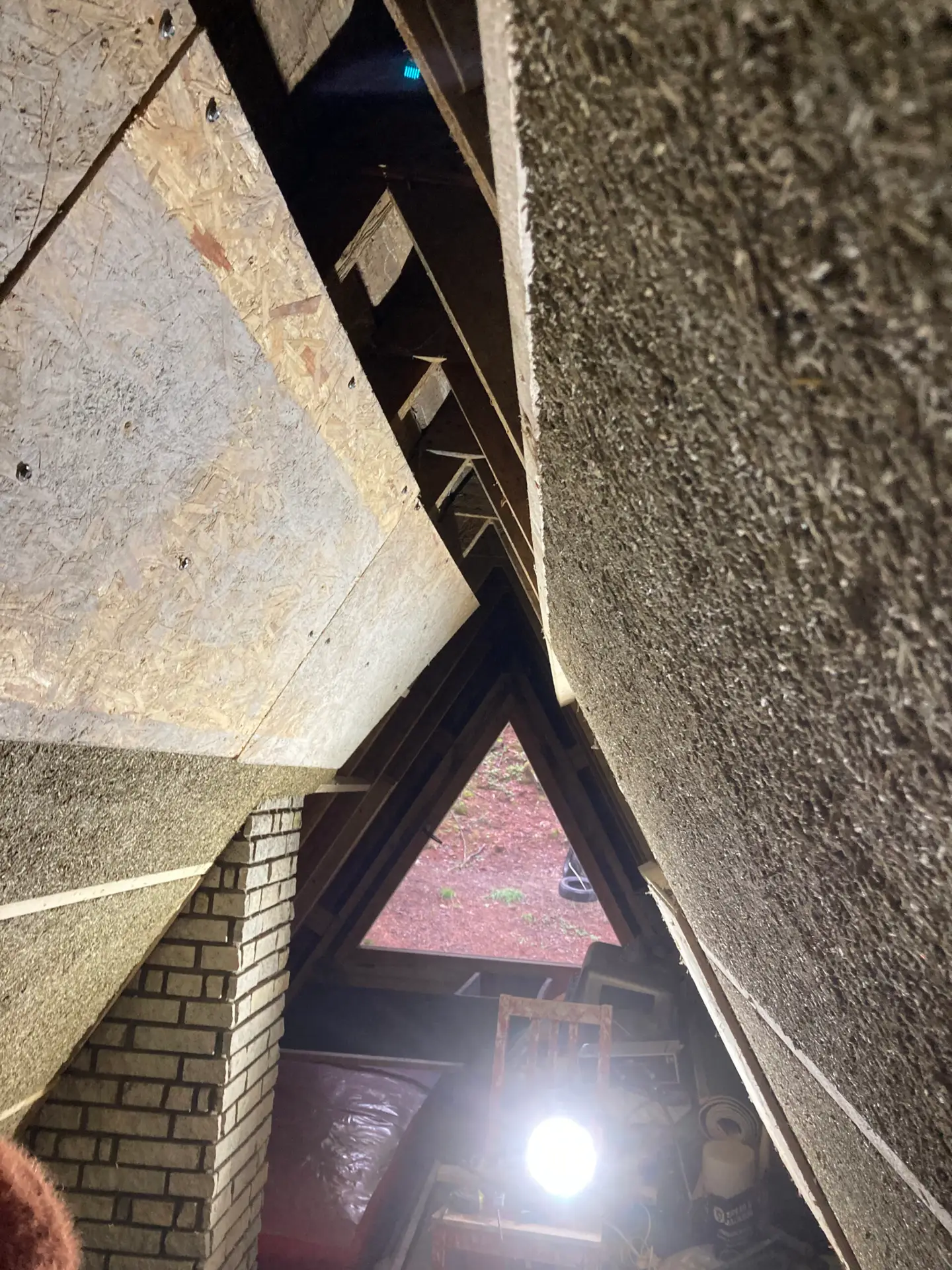
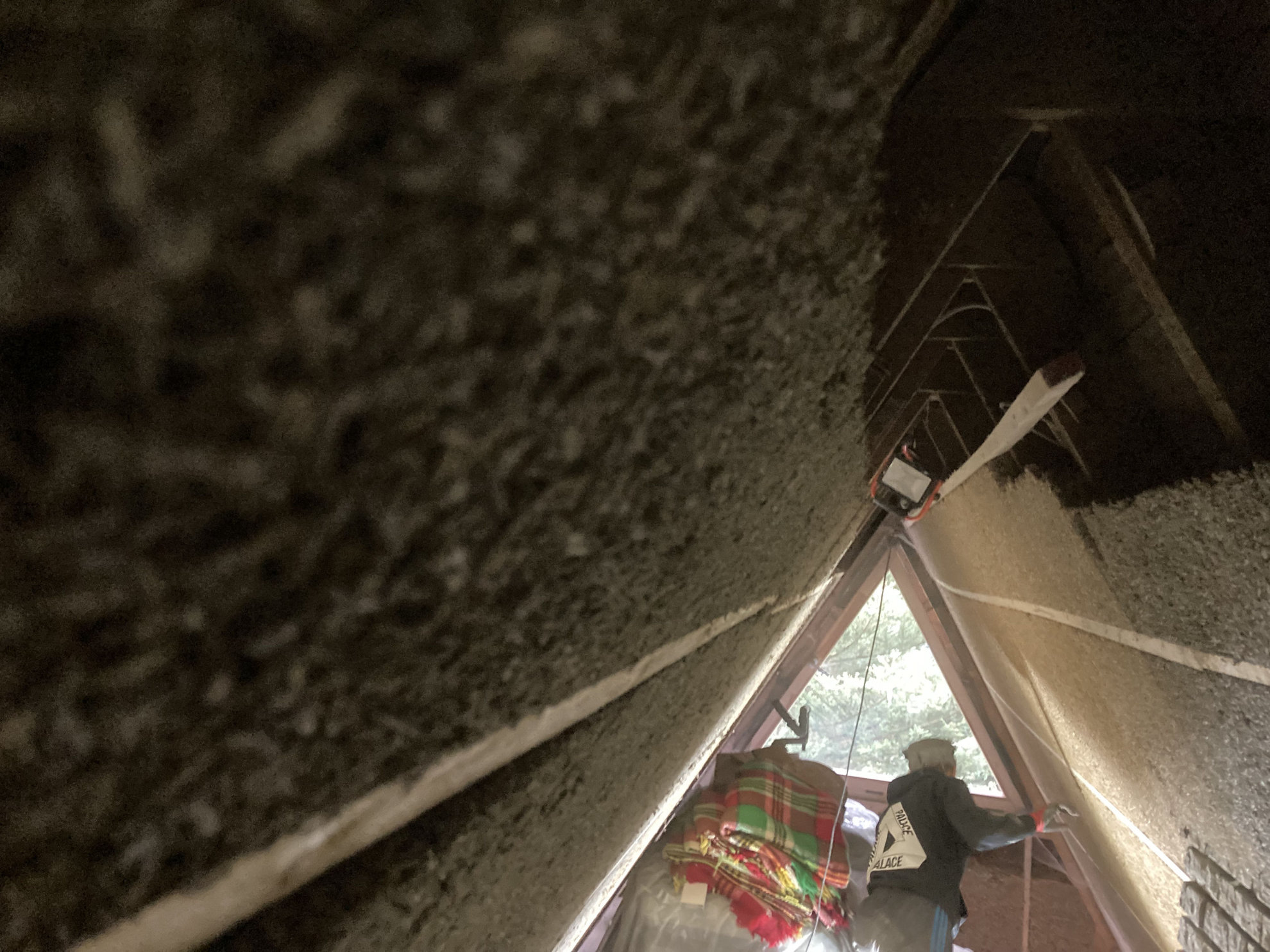
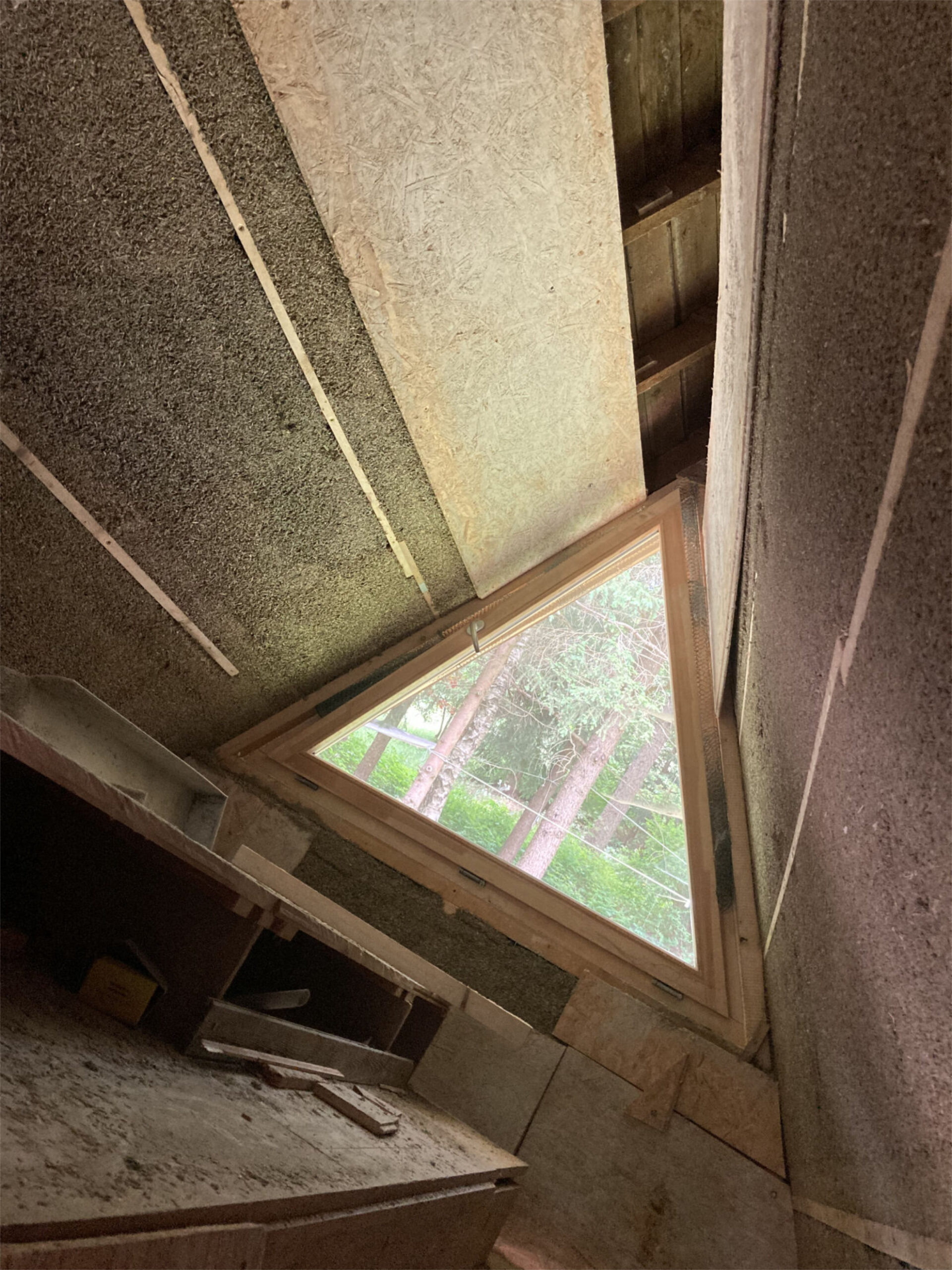
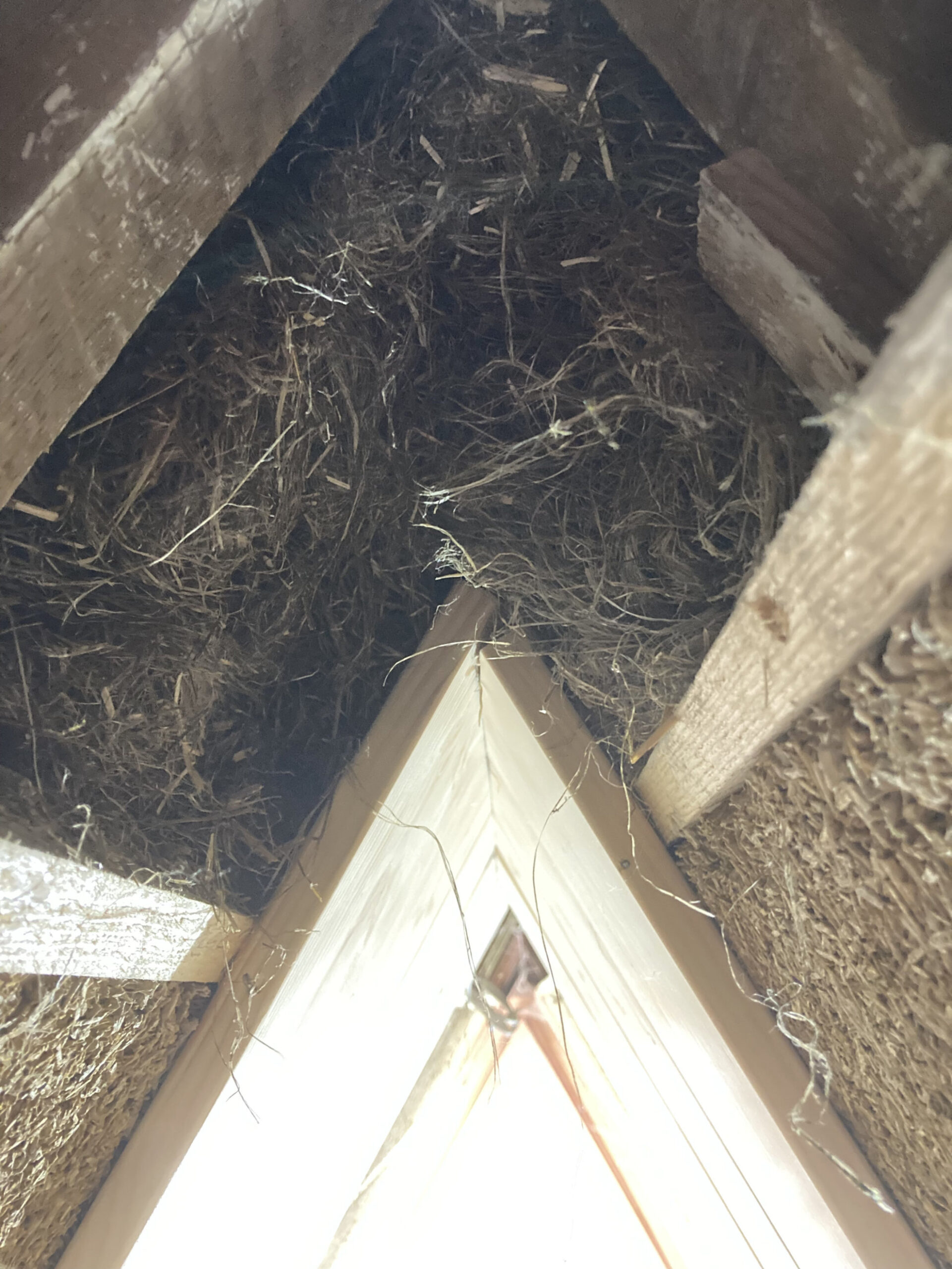
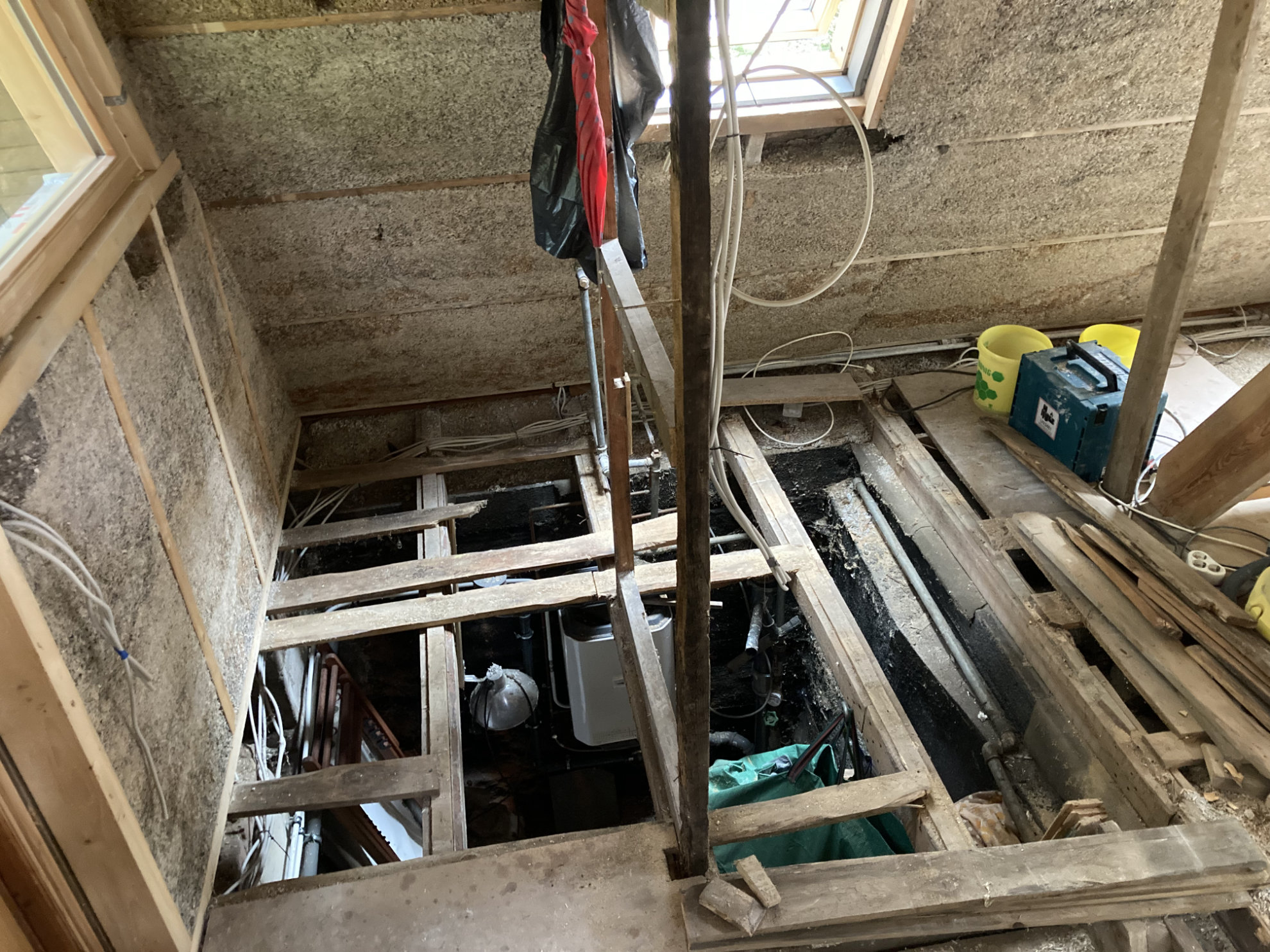
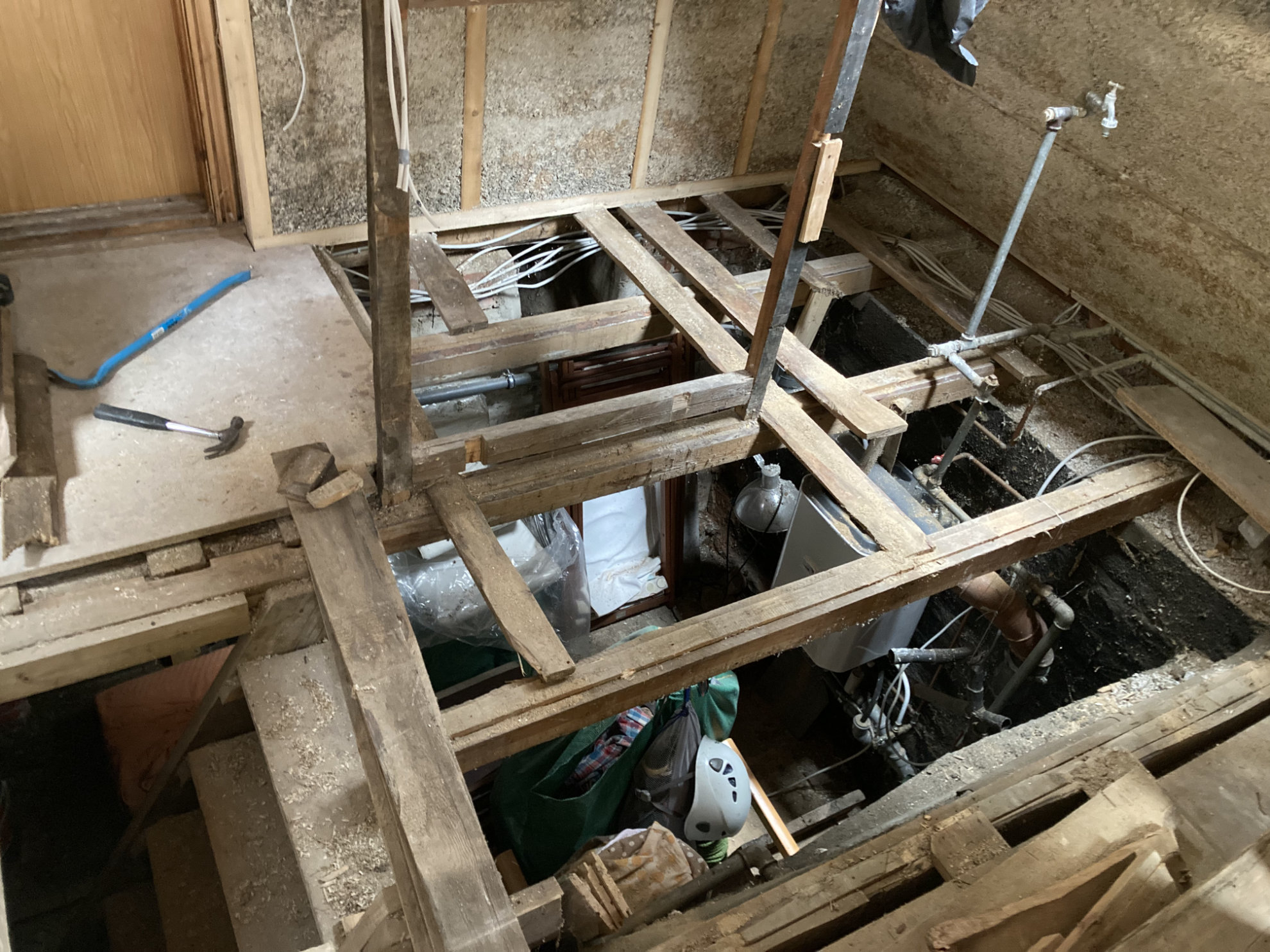
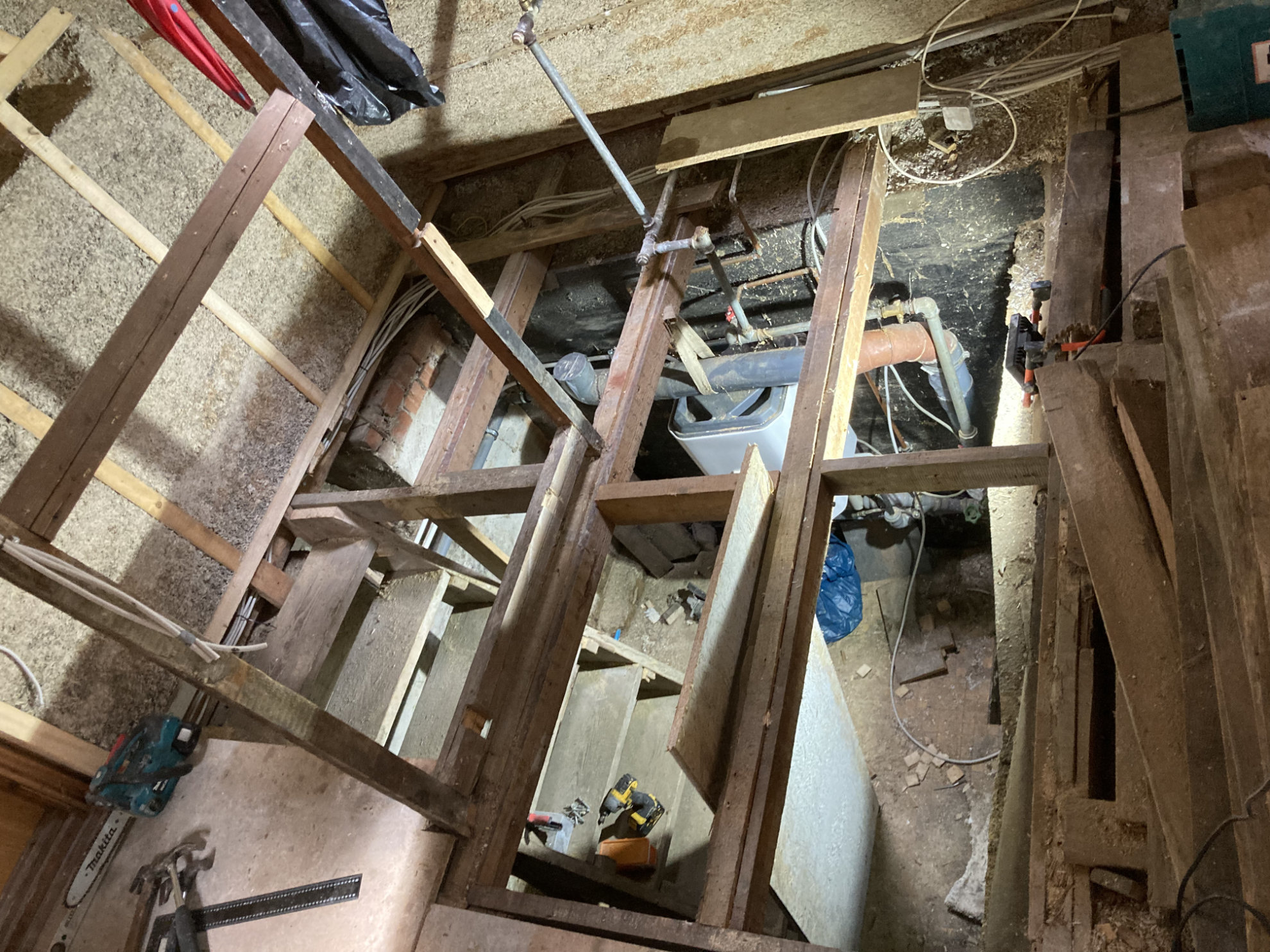
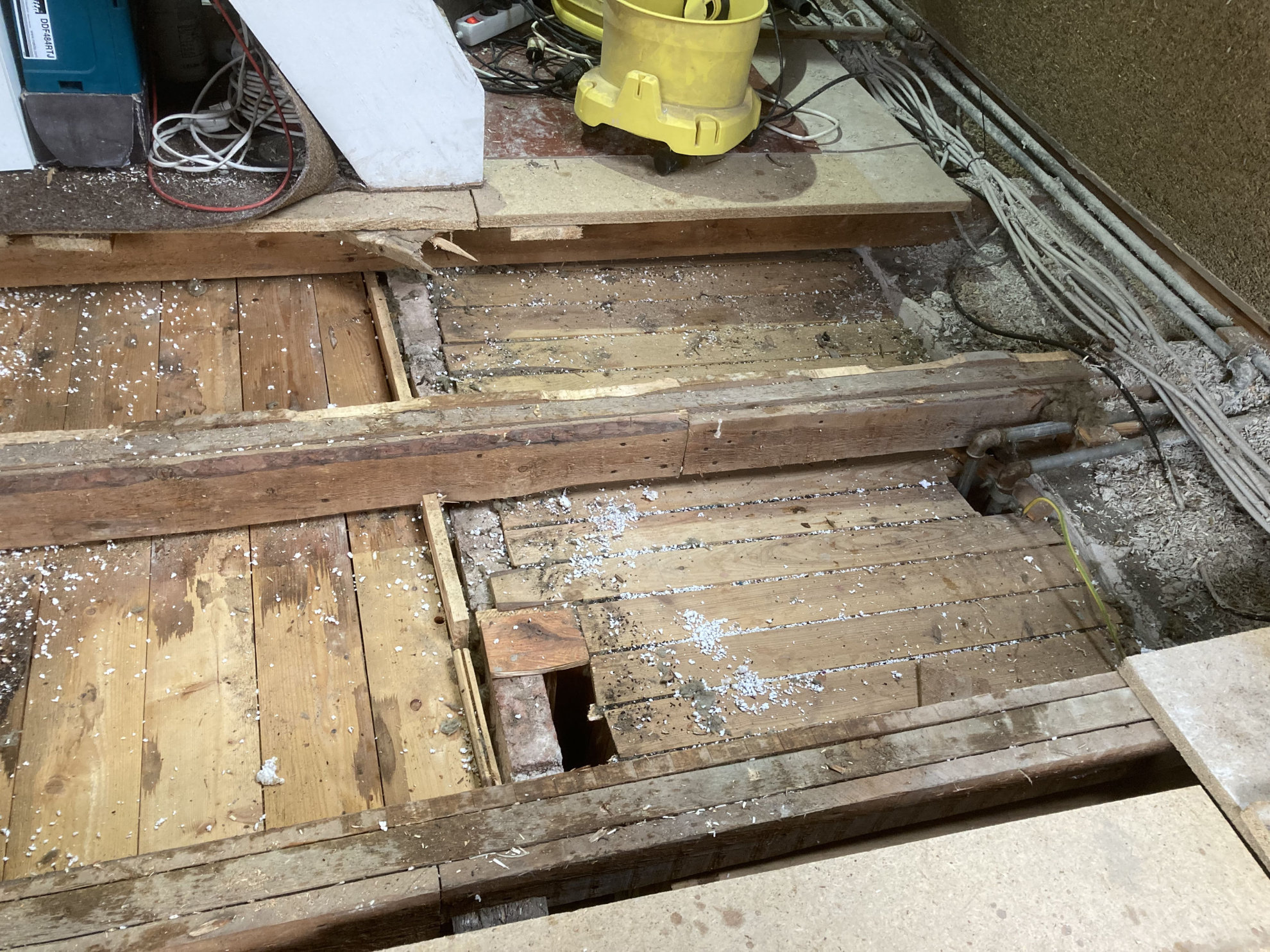
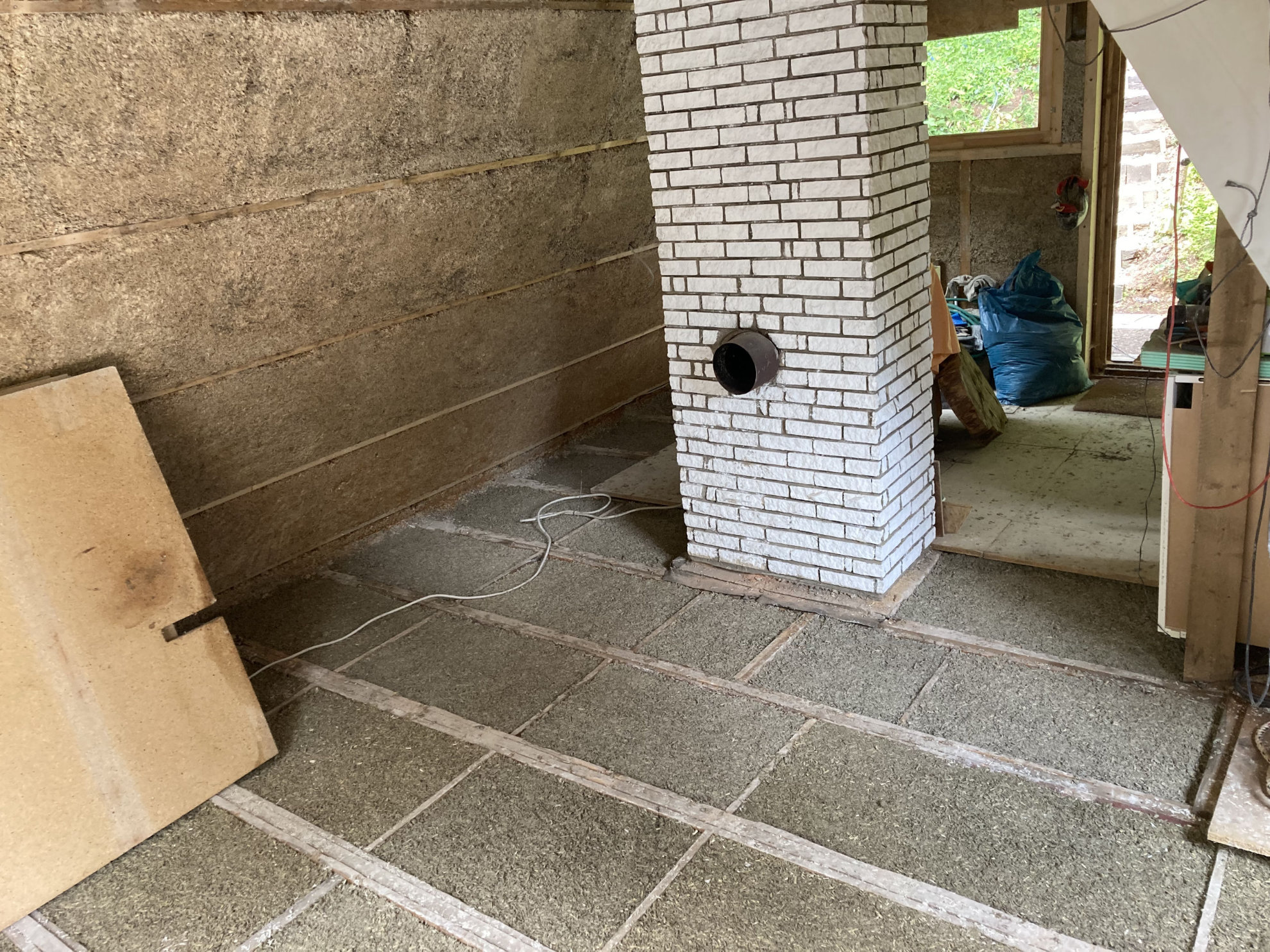
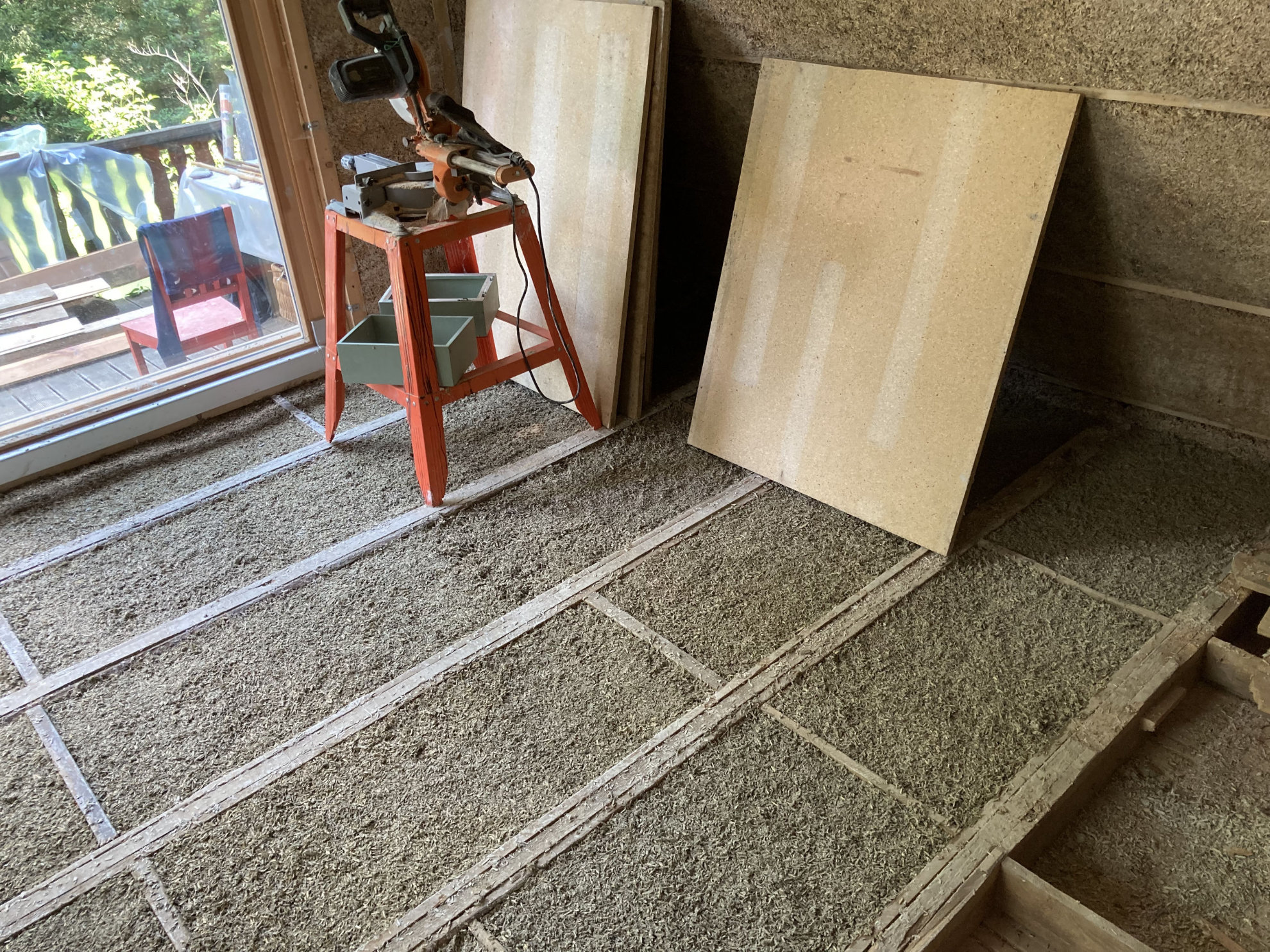
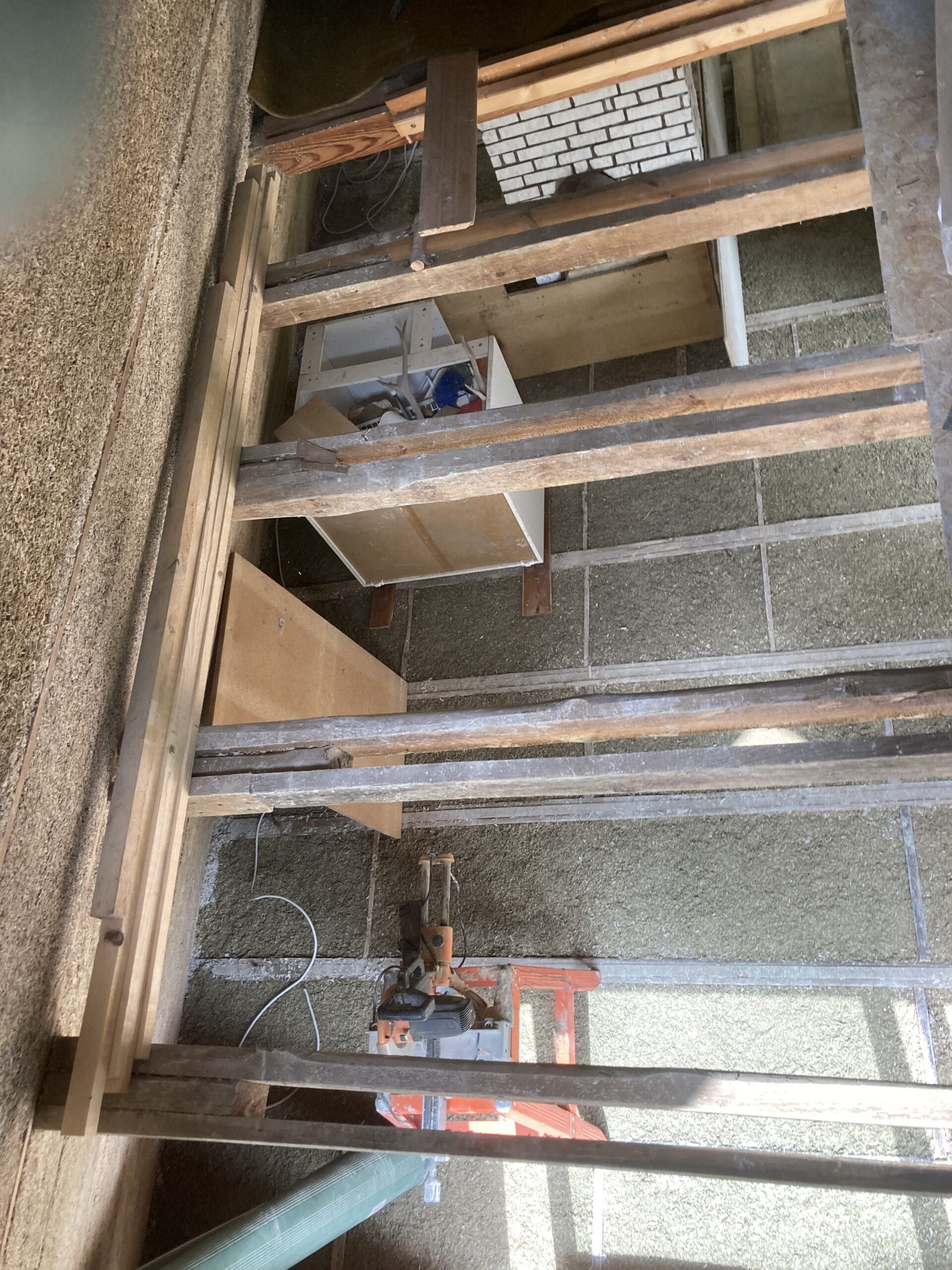
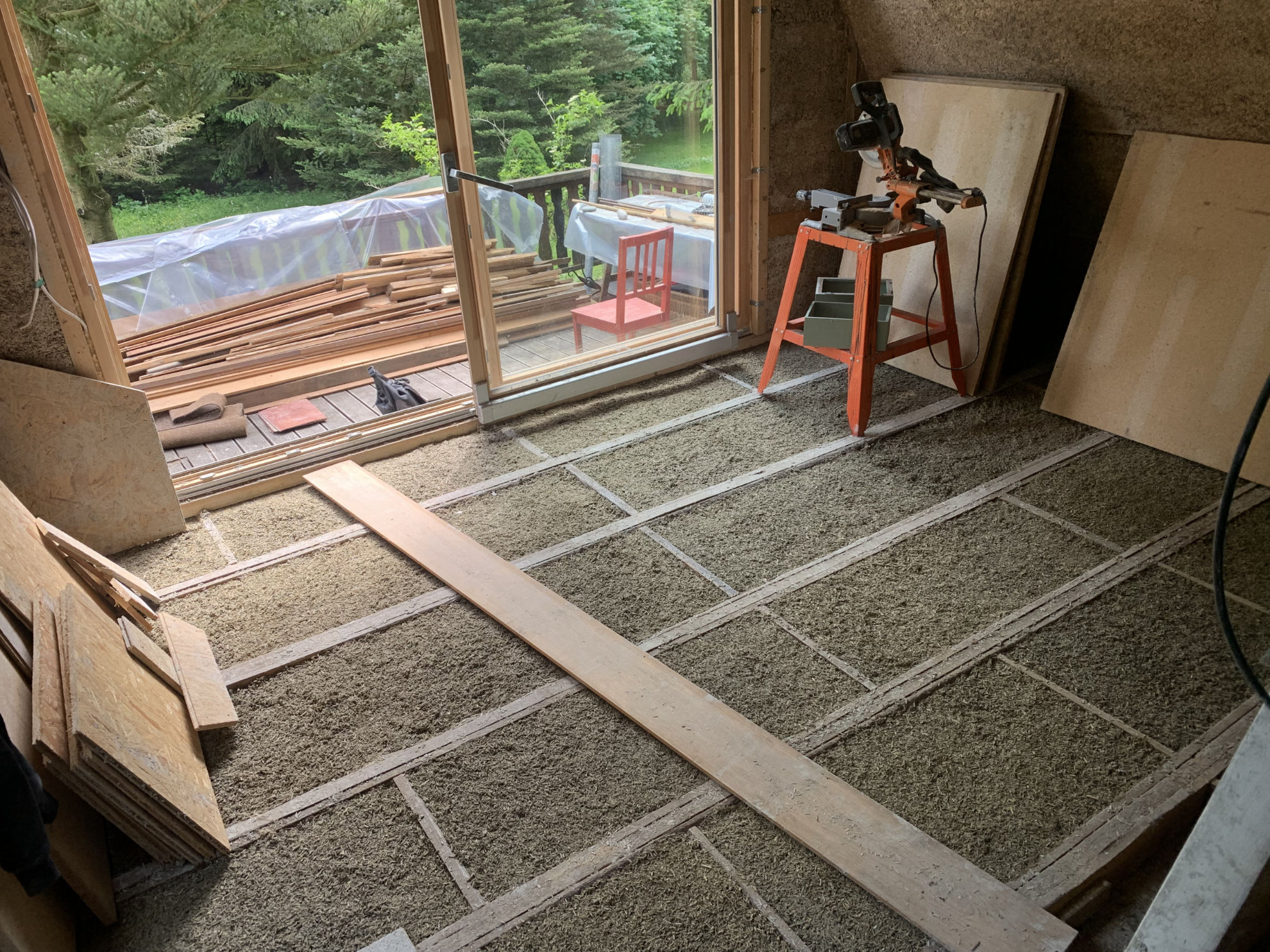
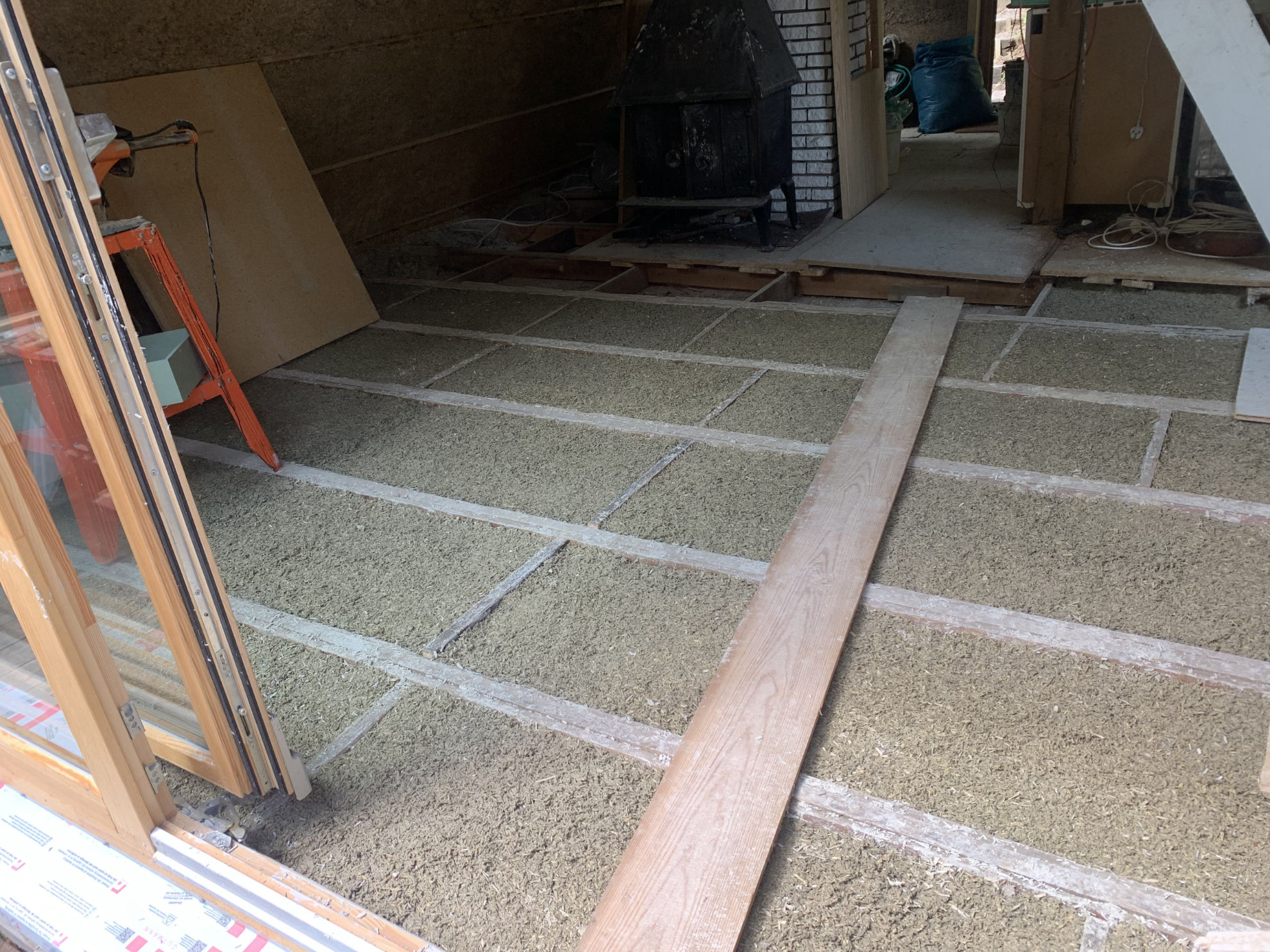
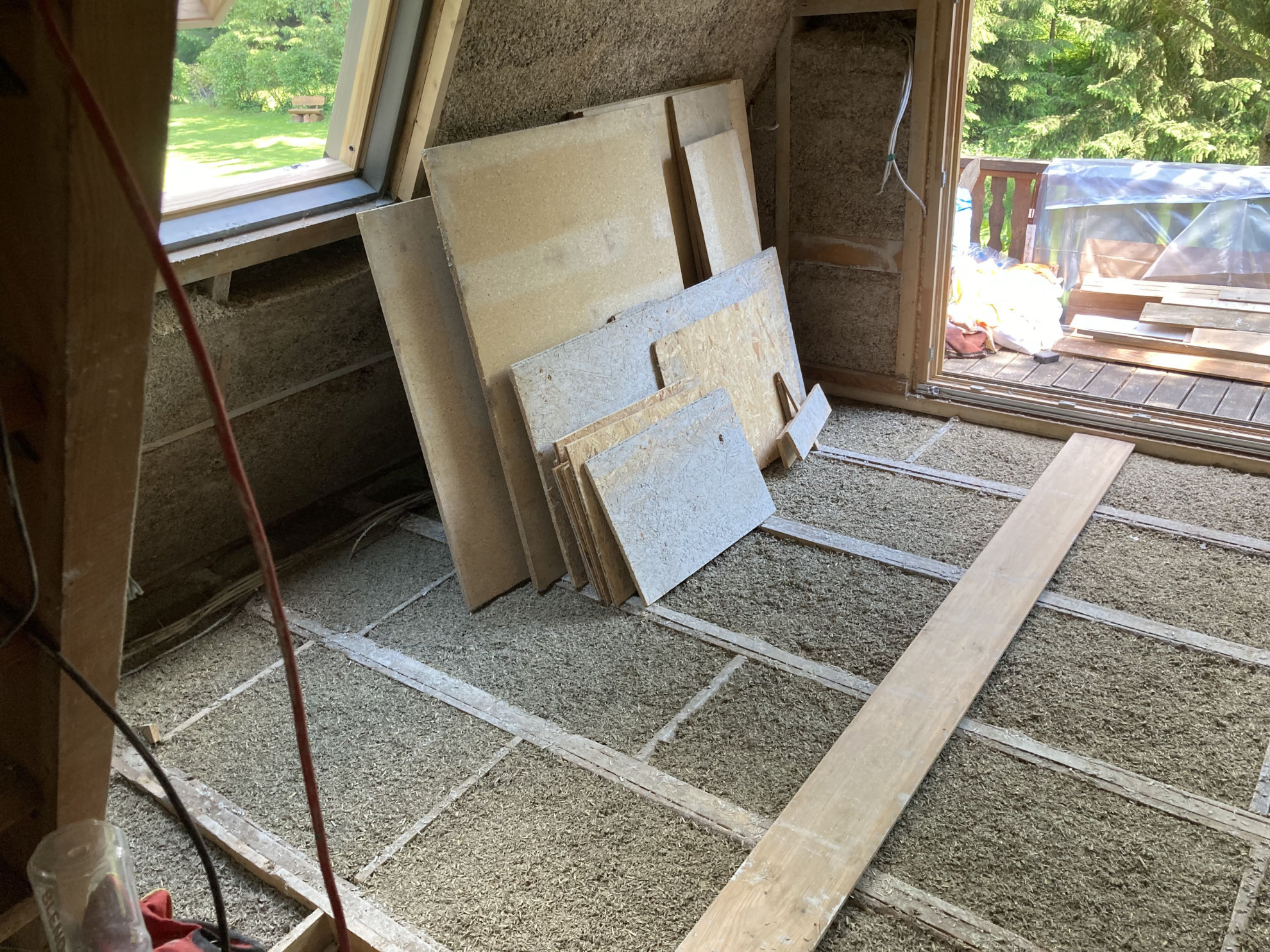
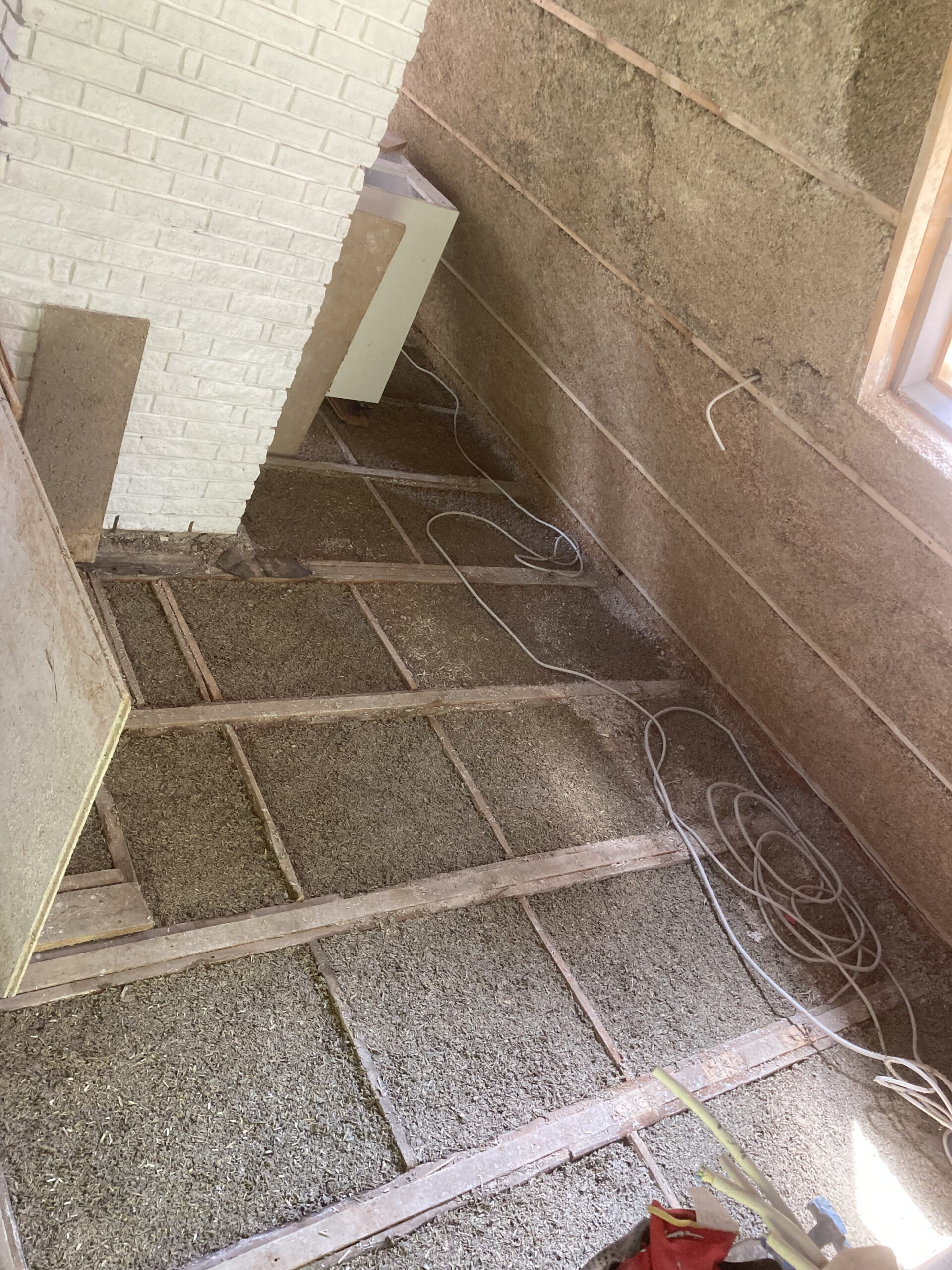
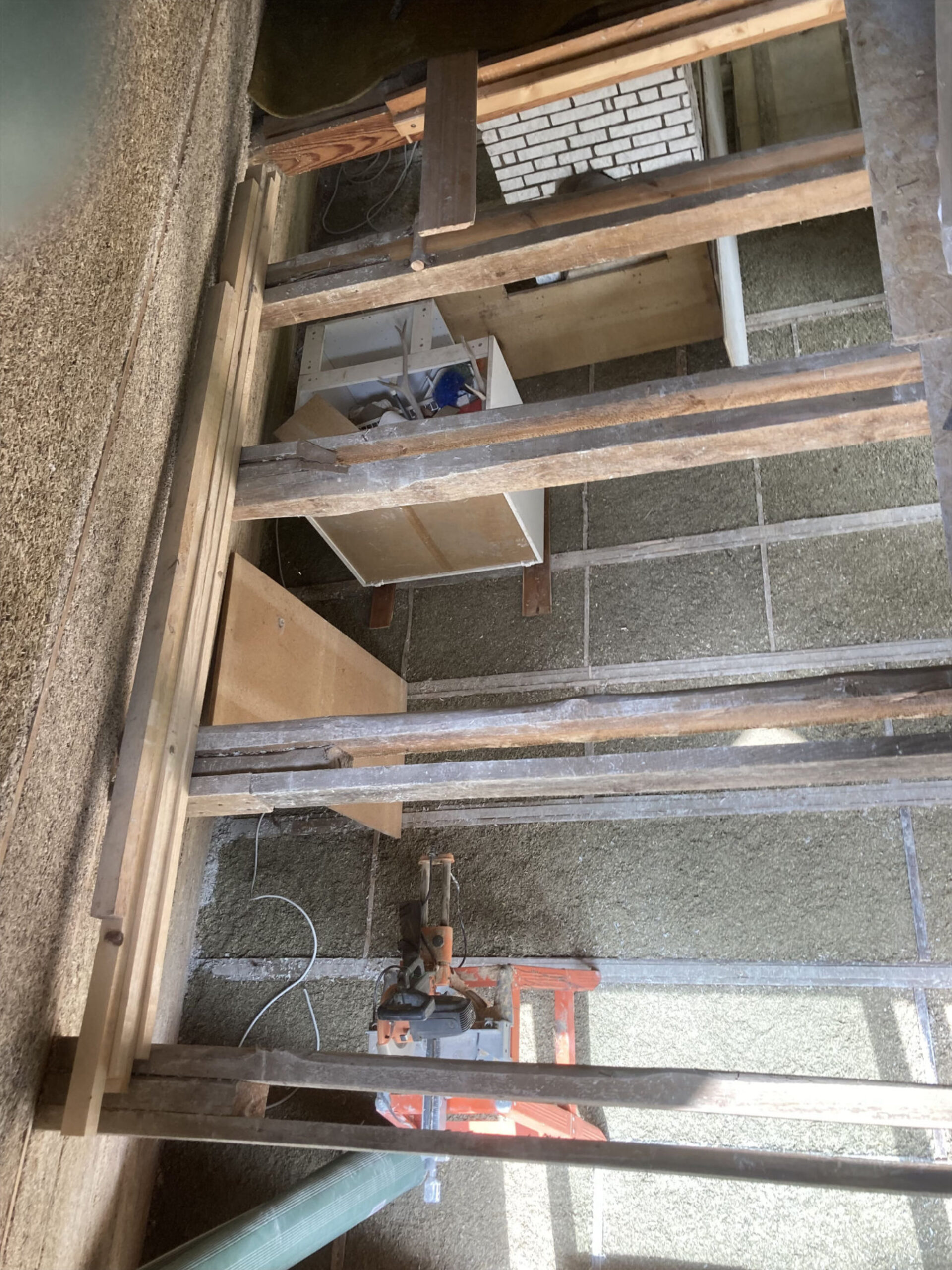
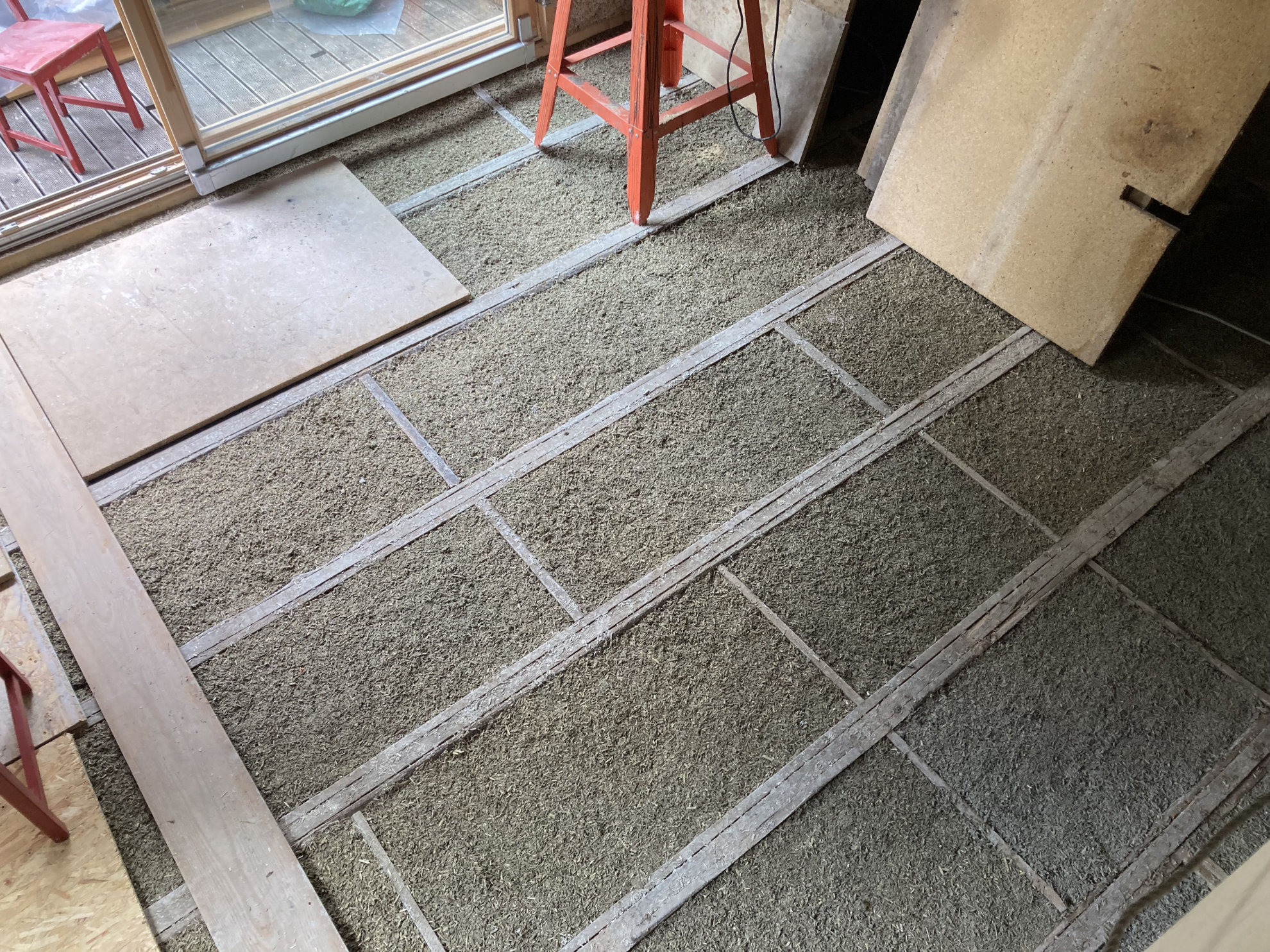
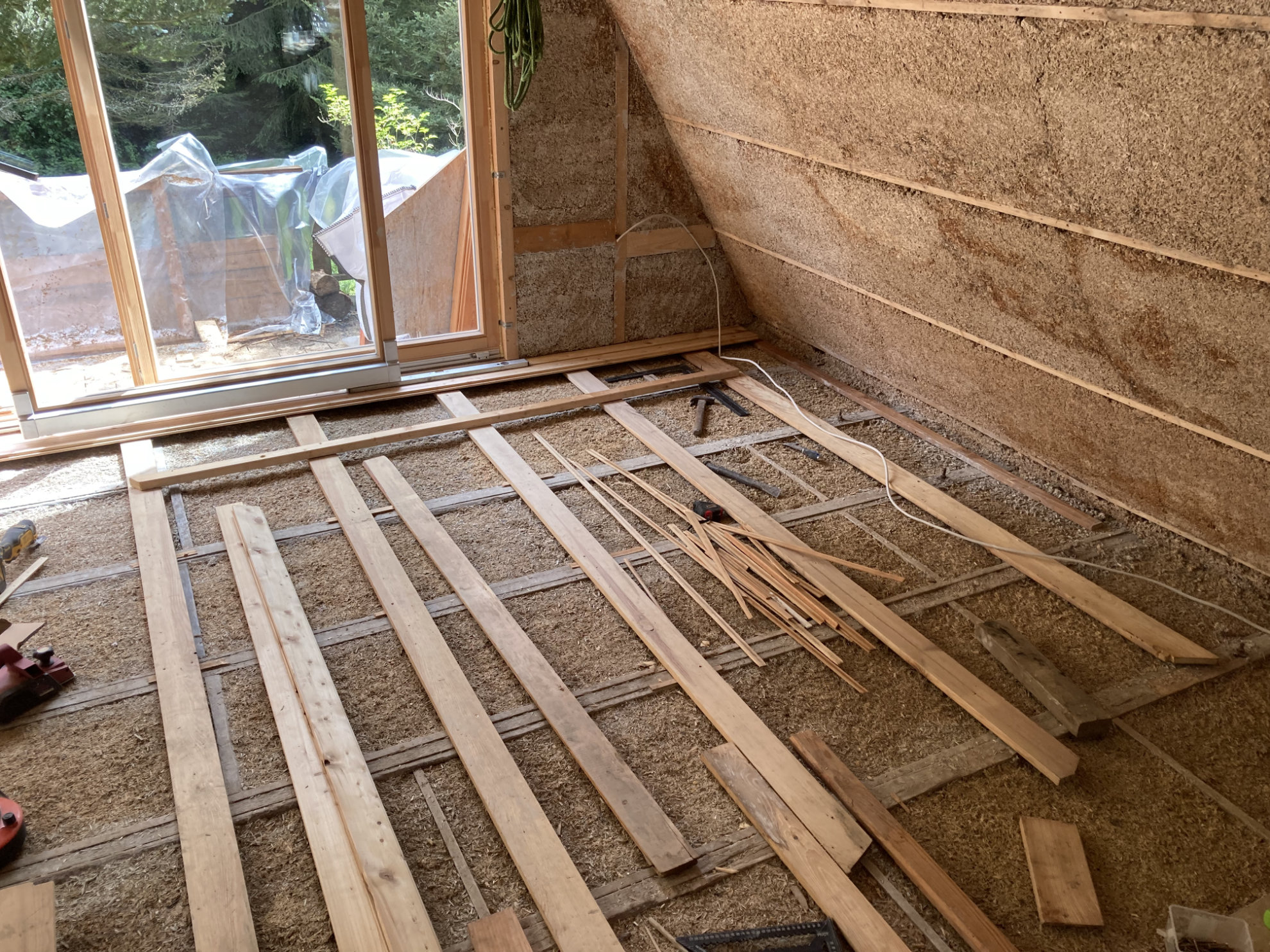
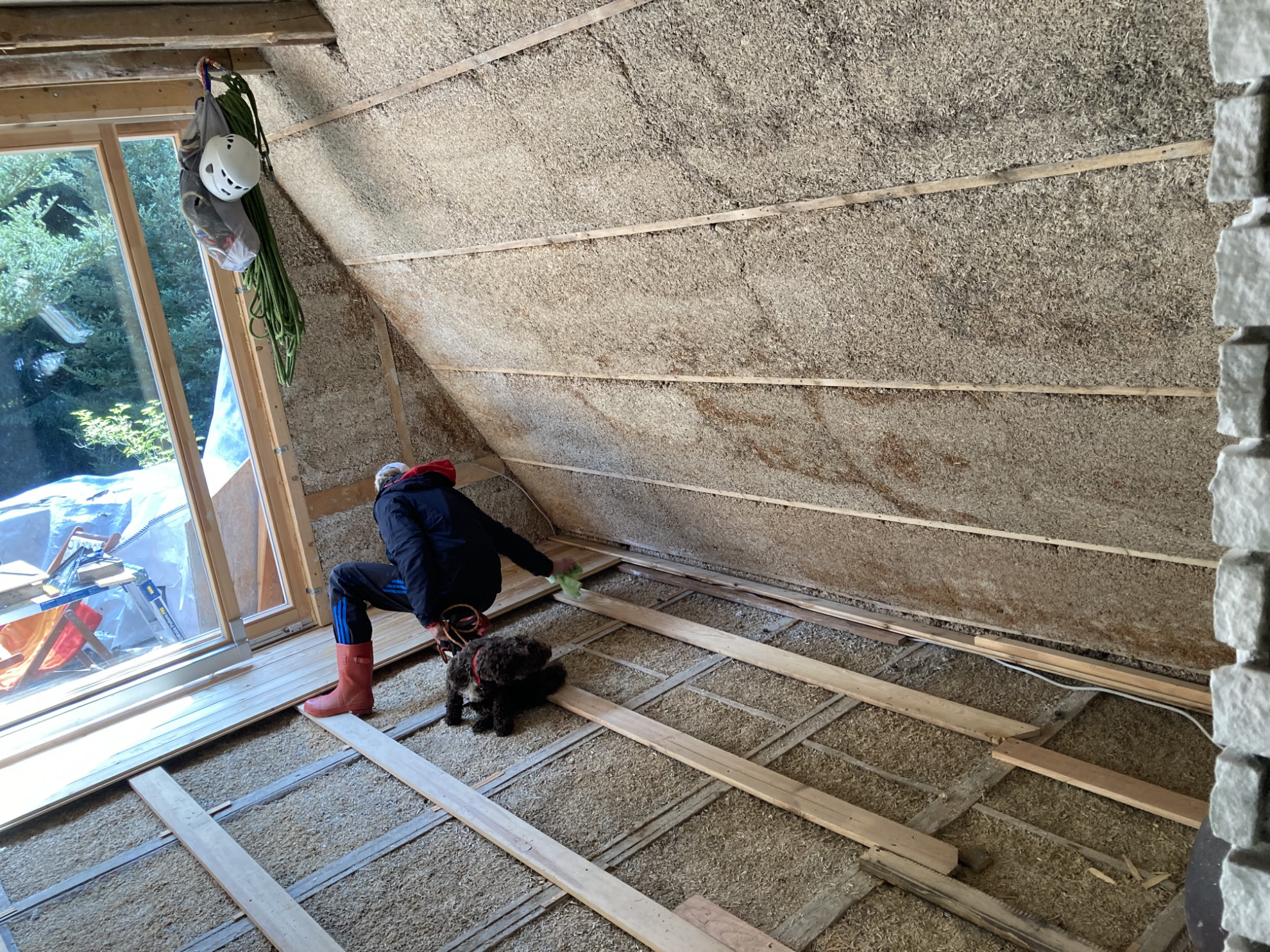
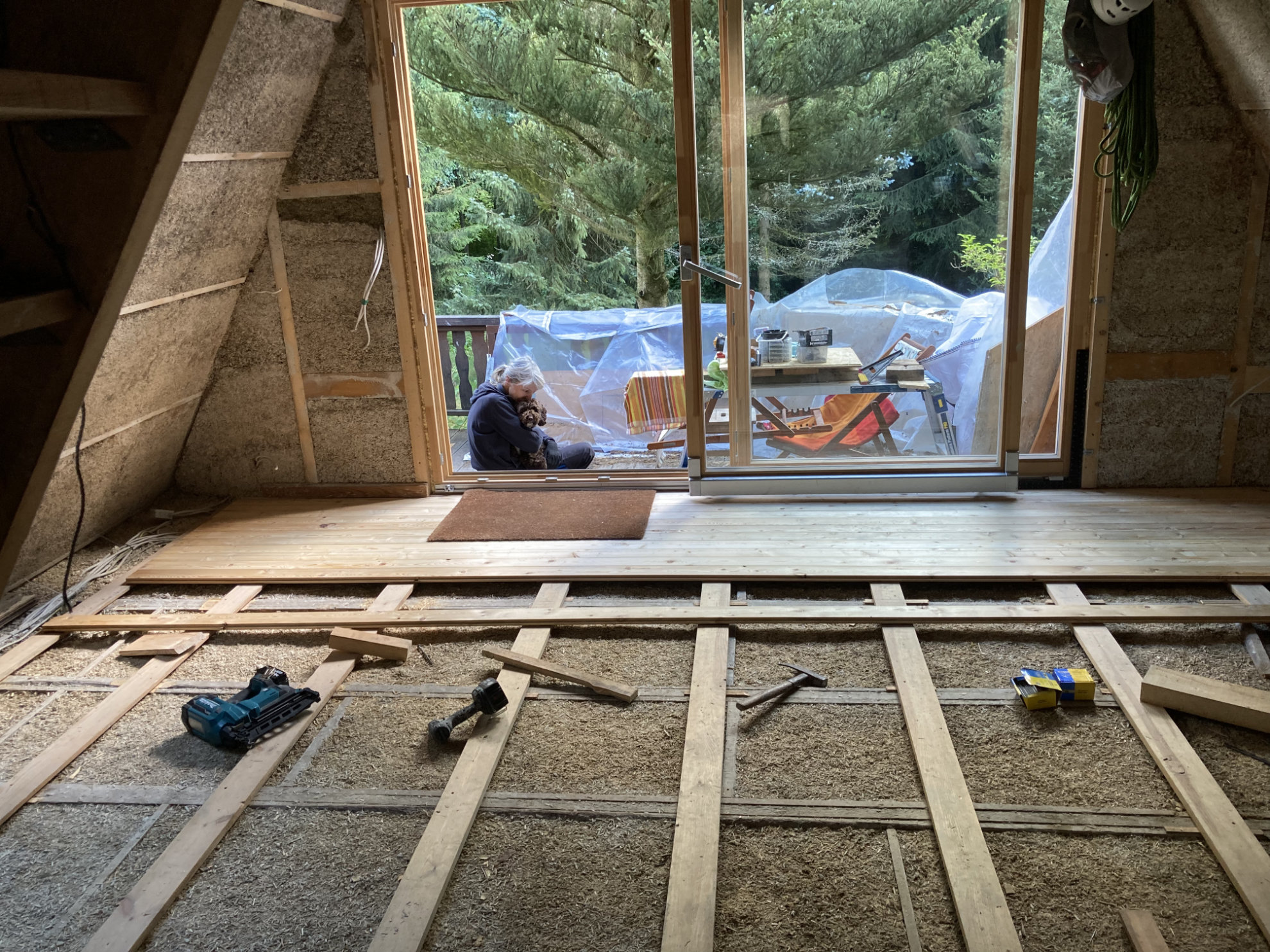
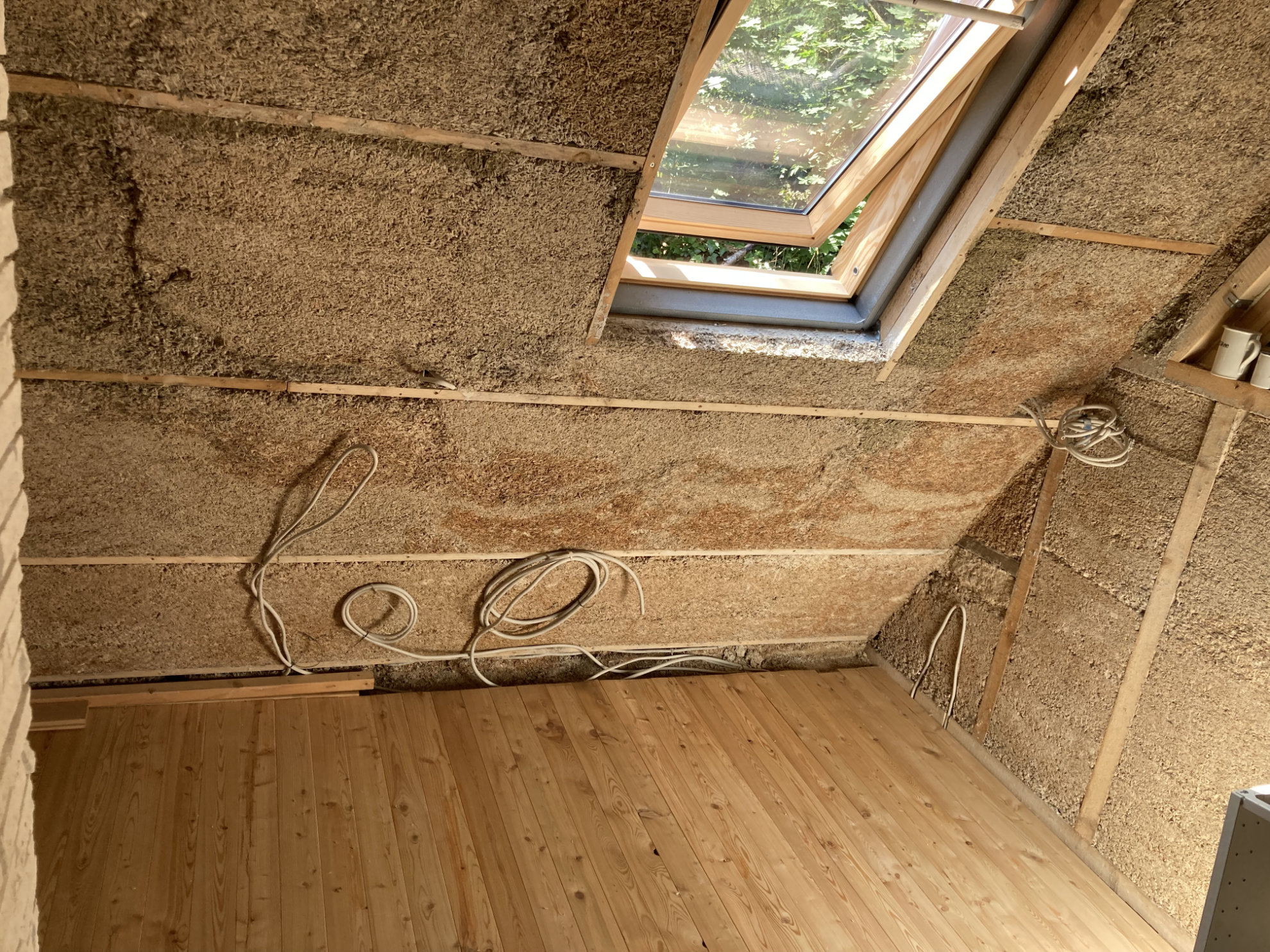
We had agreed to fill the outer floor voids first, these were the overhangs of the roof where the bottom of the roof met the floor and I had earlier identified that this was where our little furry mice friends had been coming in, (It’s a woodland hut) so was keen to put a stop to that nonsense early on. The void was quite large and it took several days of mixing for around 4 – 5 hrs a day to feel like we were getting anywhere. We returned in the several times within the next year and pretty much filled the hut with as much ‘Porridge’ as we could before it became clear that there was no physical way to get the wet camp into the final apex of the roof. We relented and decide to buy some hemp-fibre insulation to squeeze into the final ‘Tobleroned’ apex void
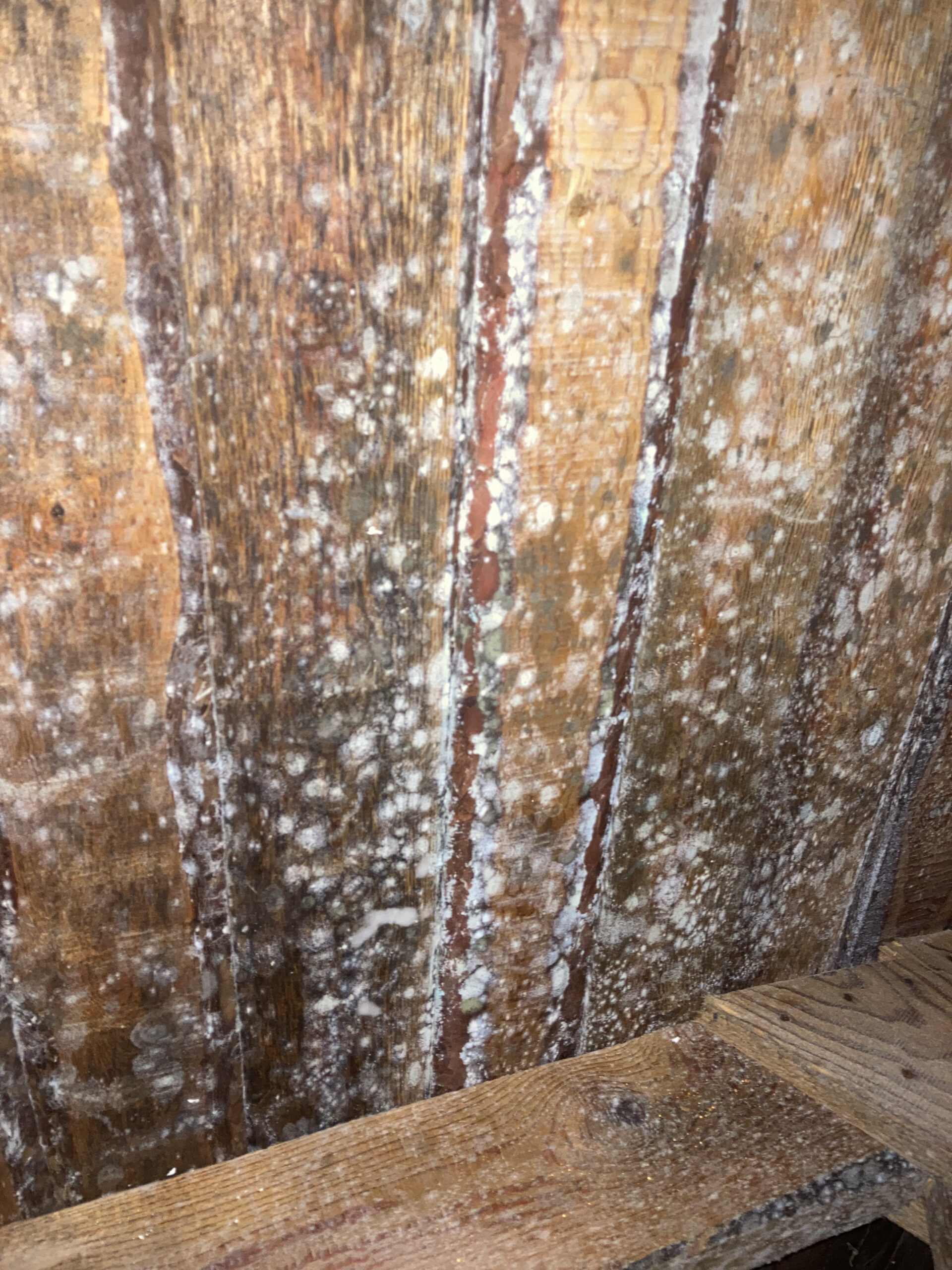
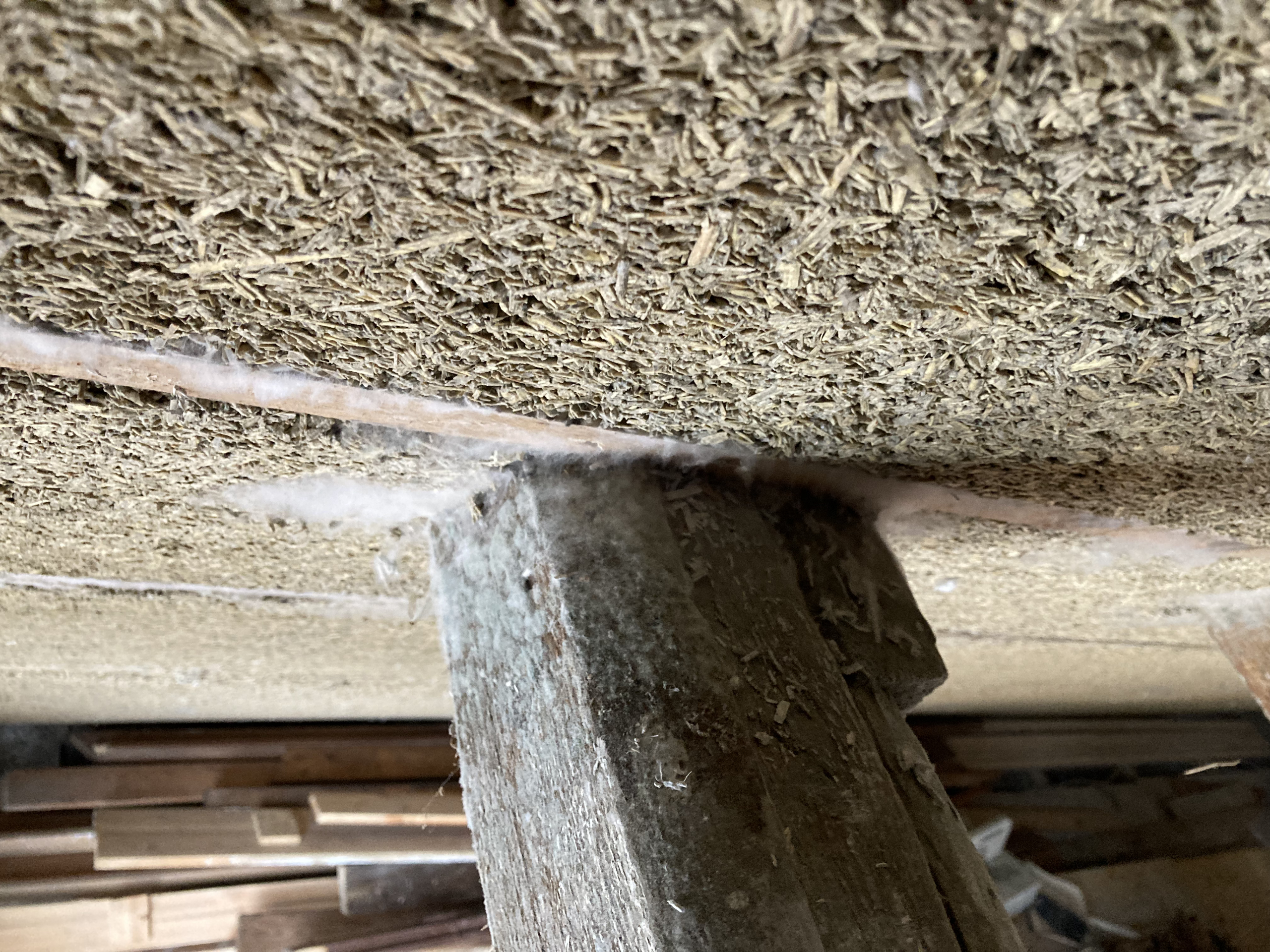
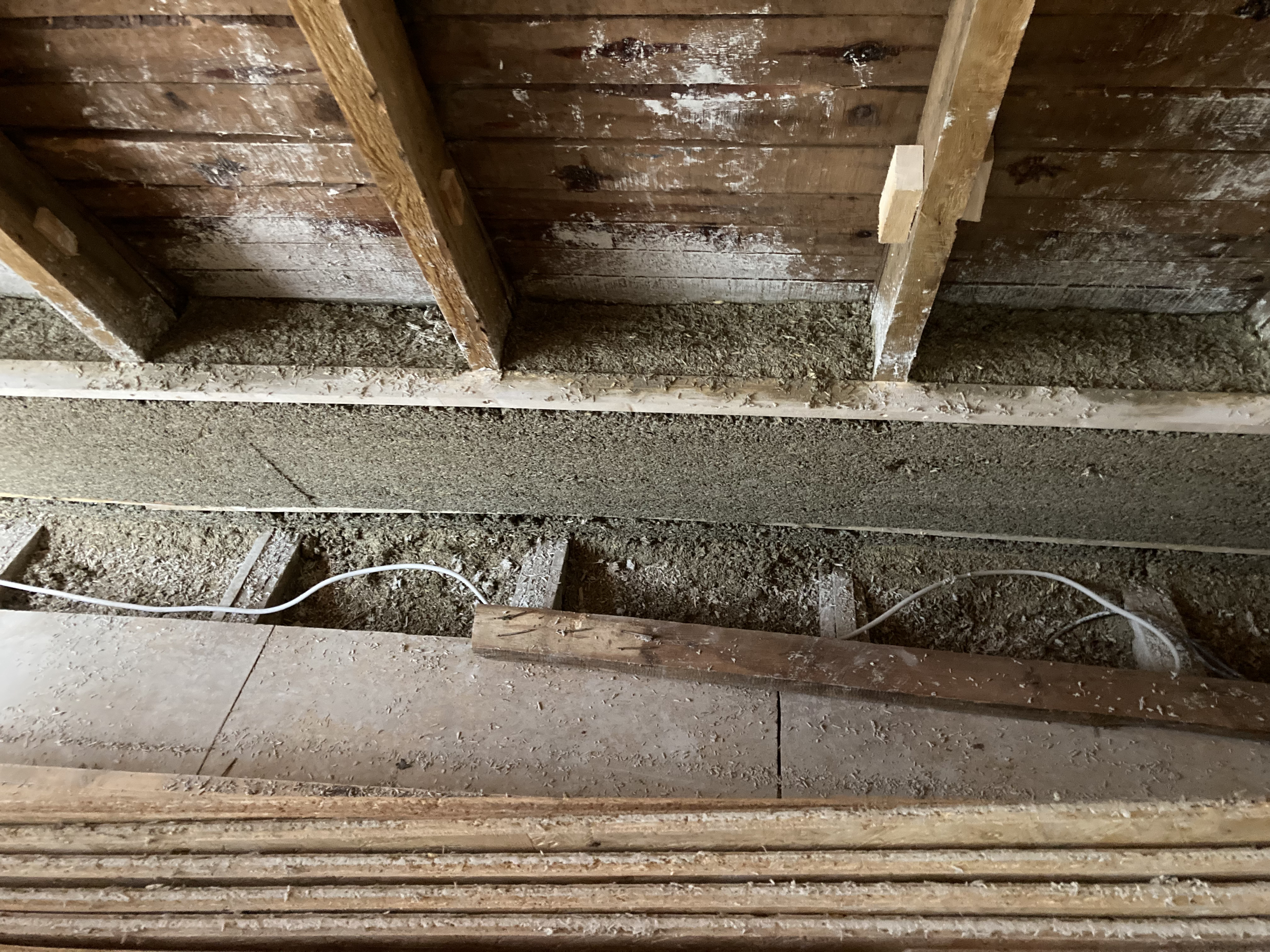
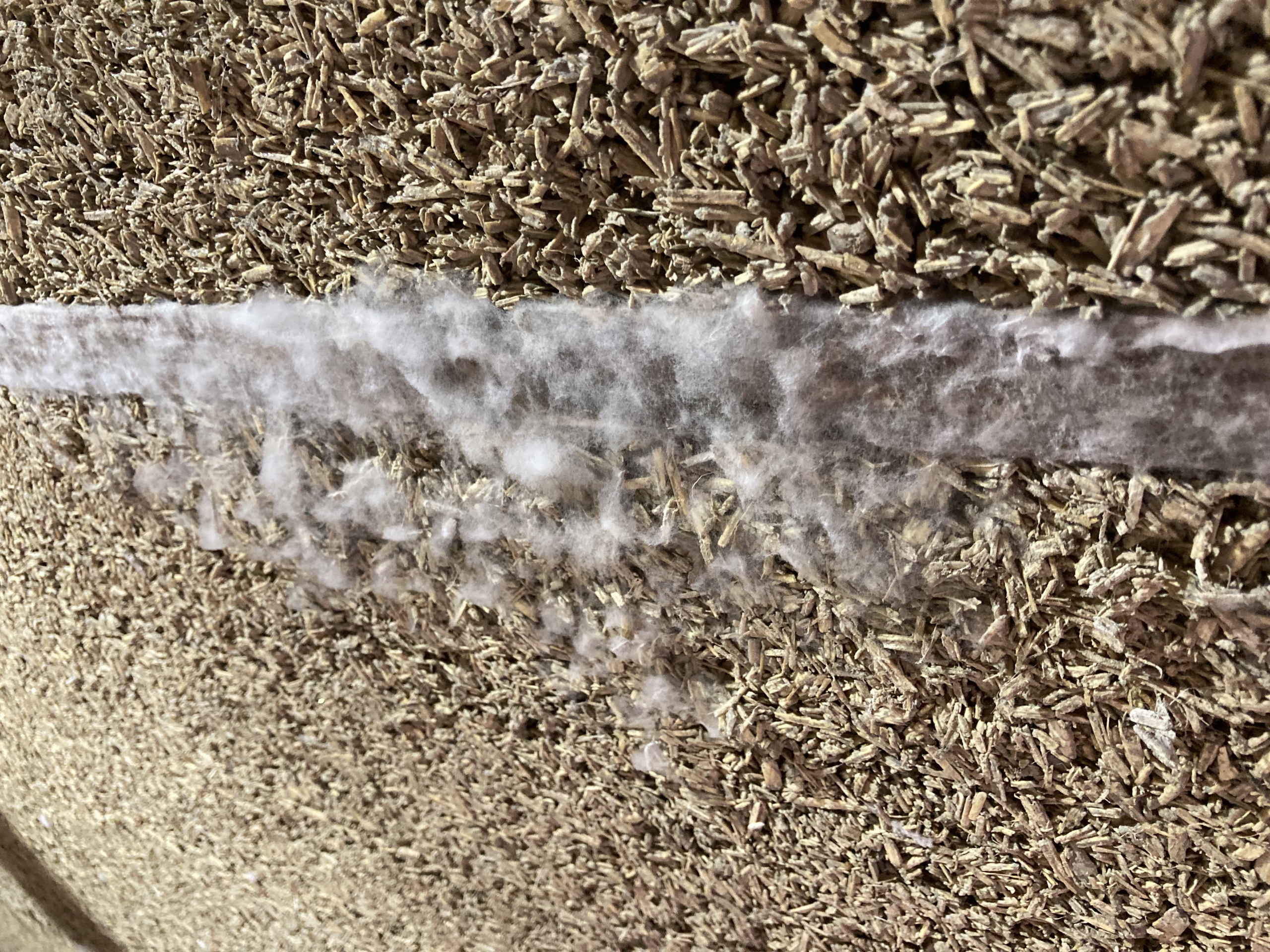
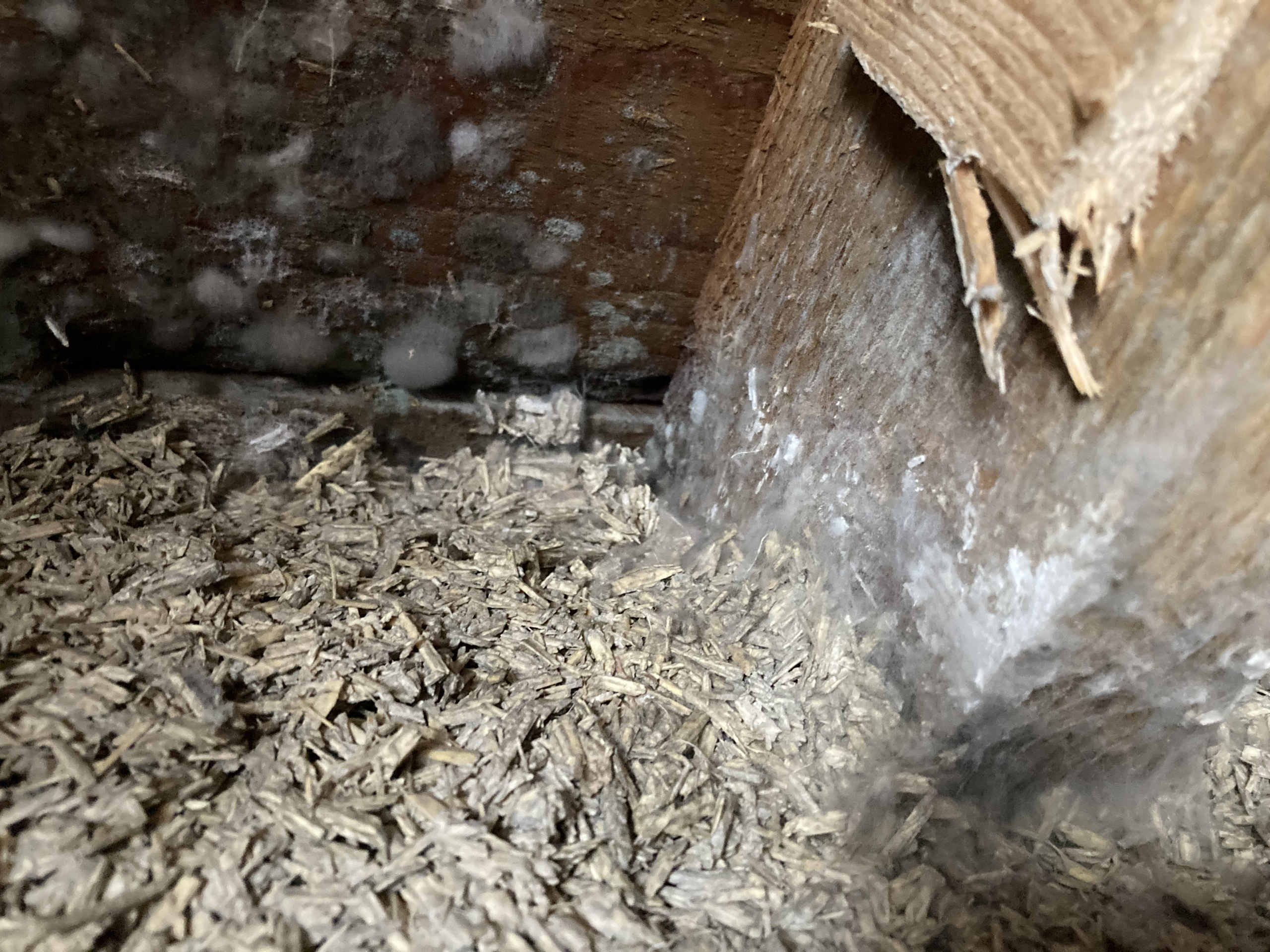
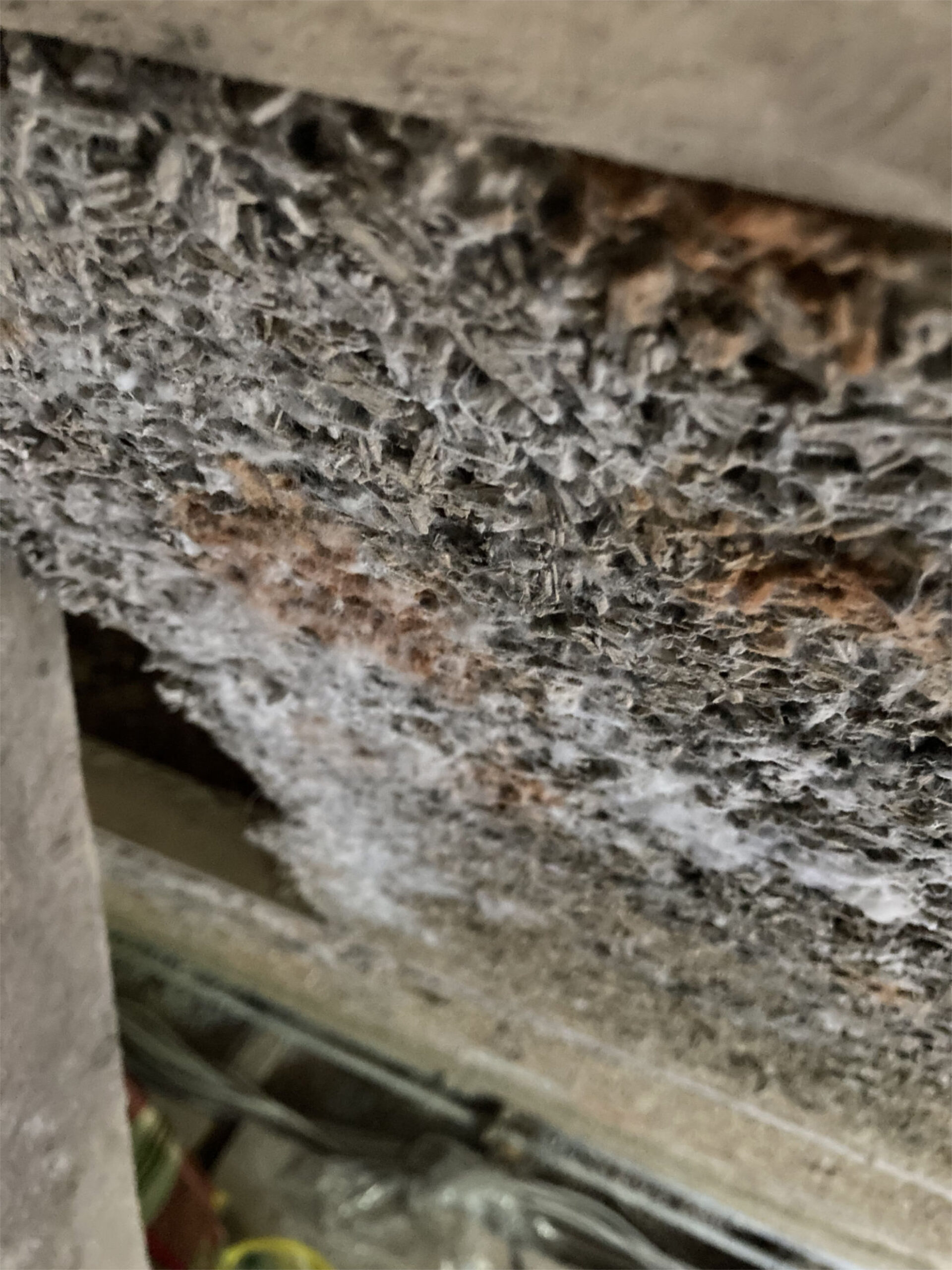
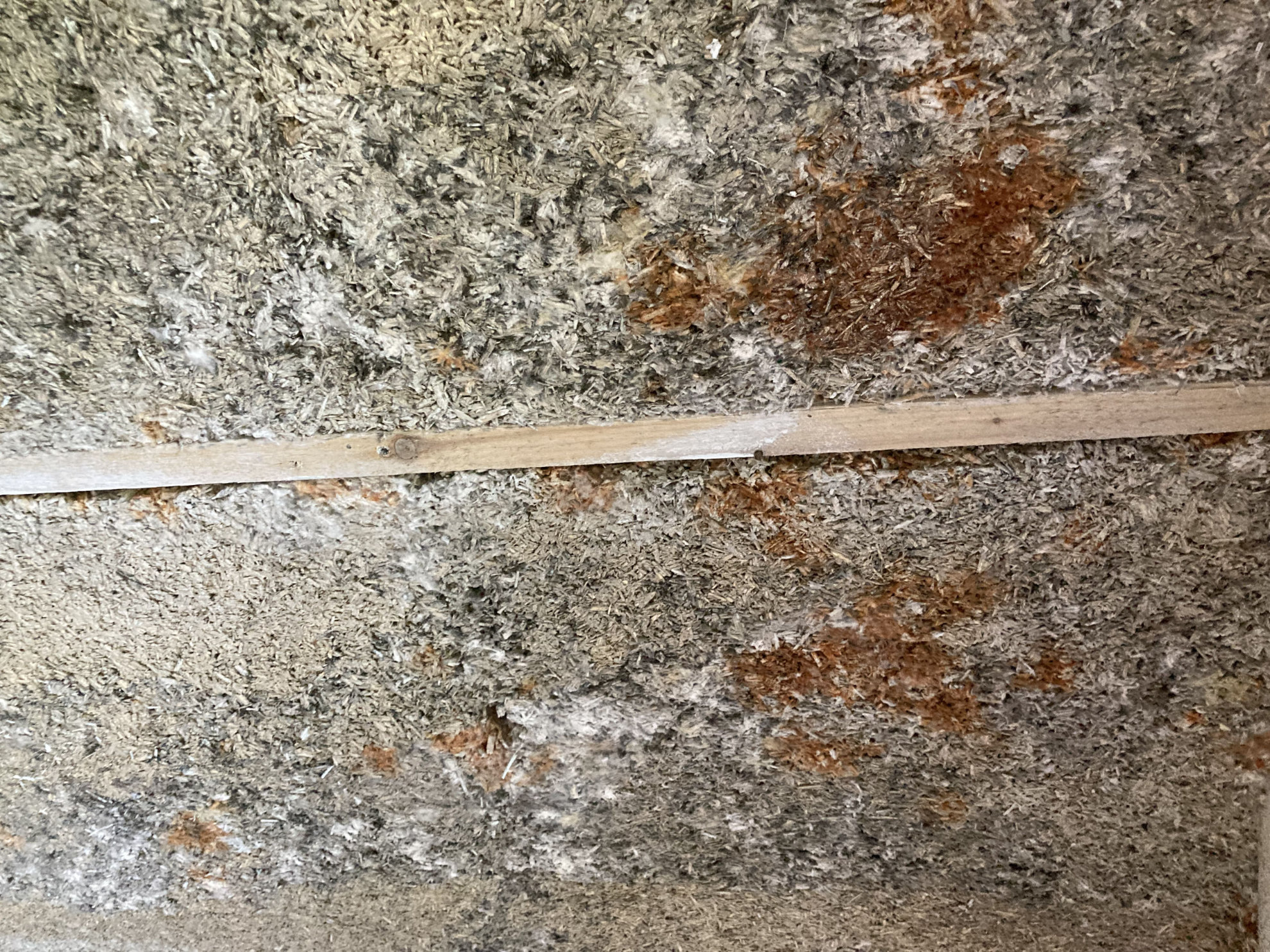
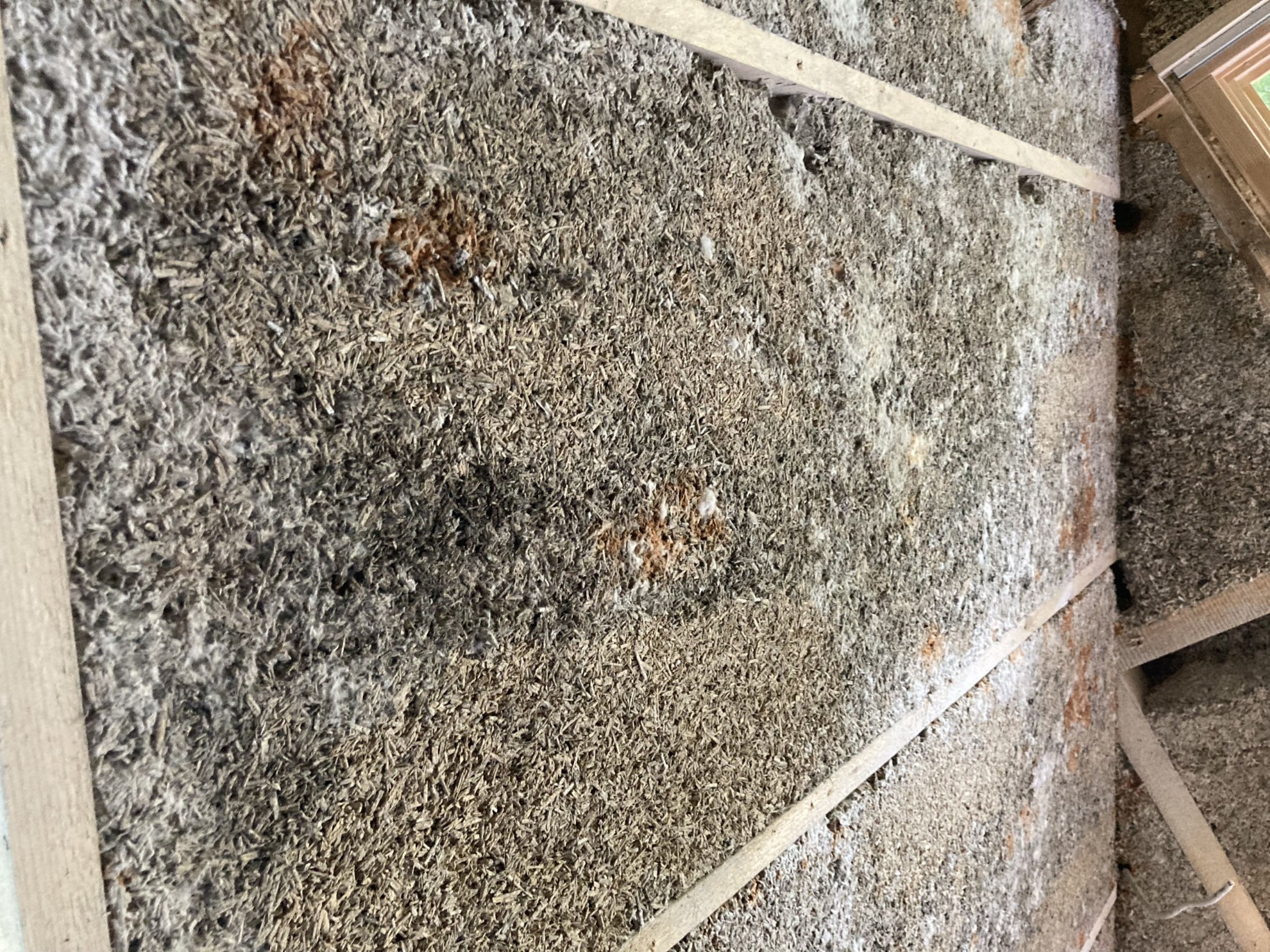
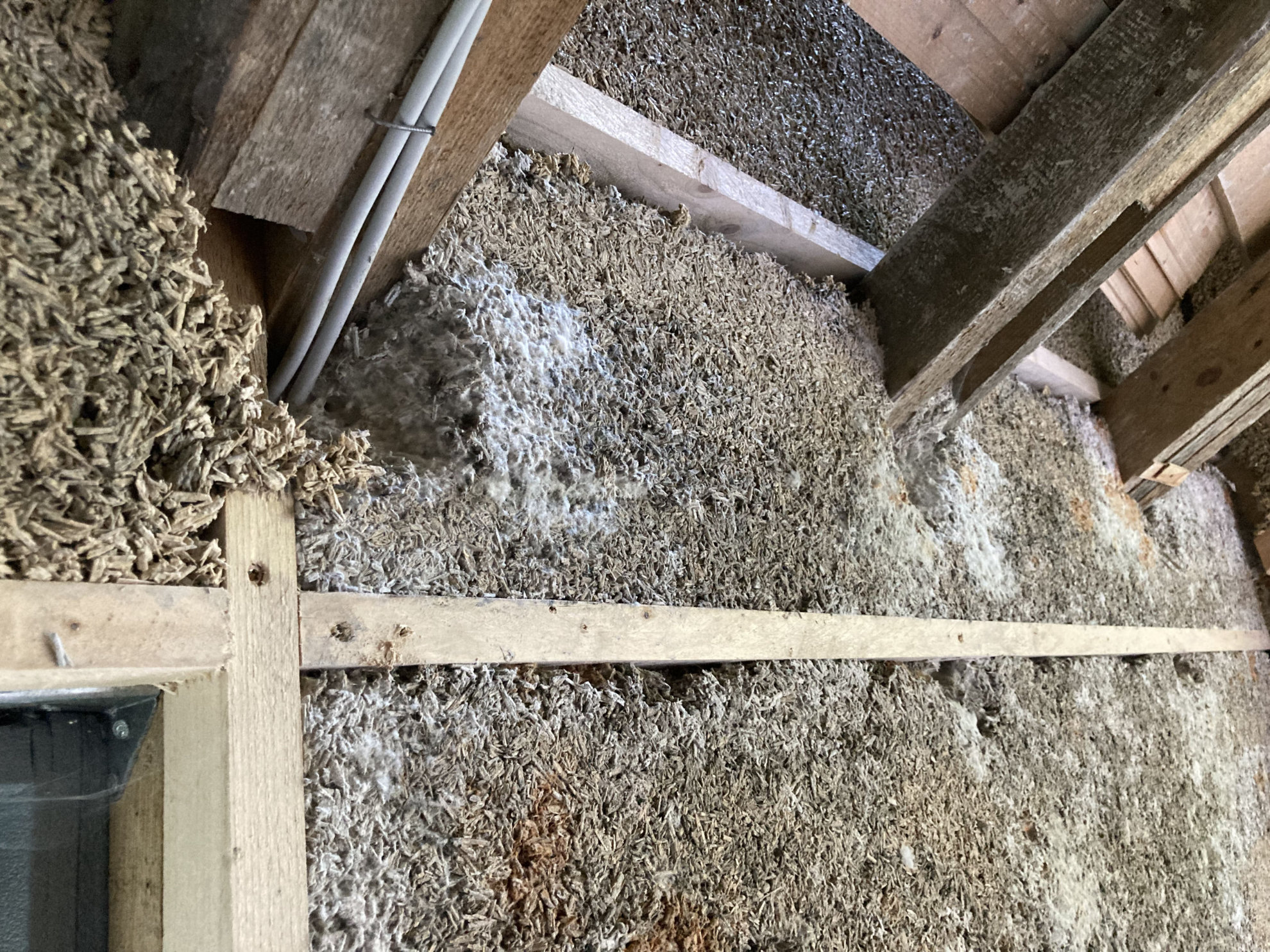
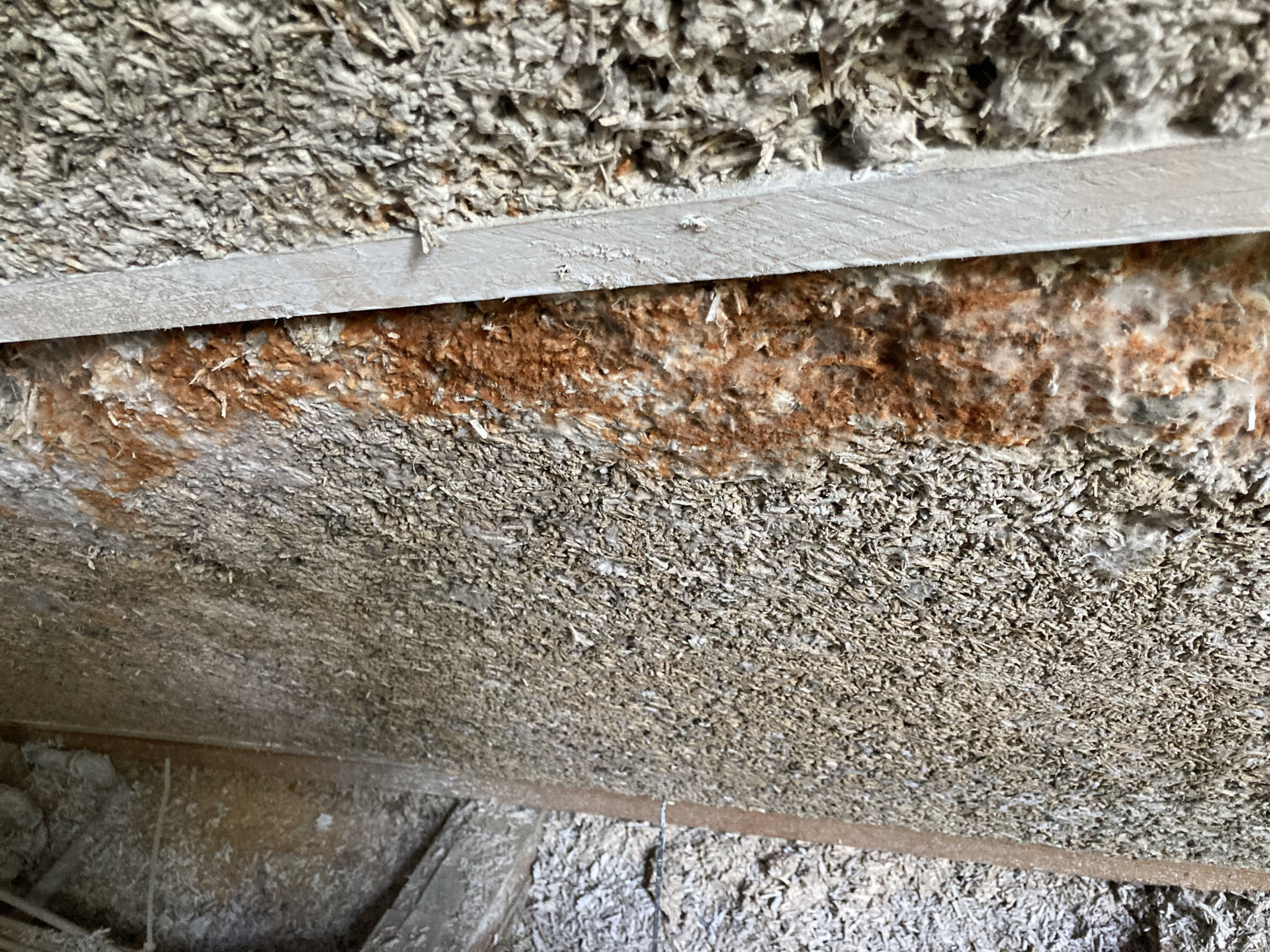
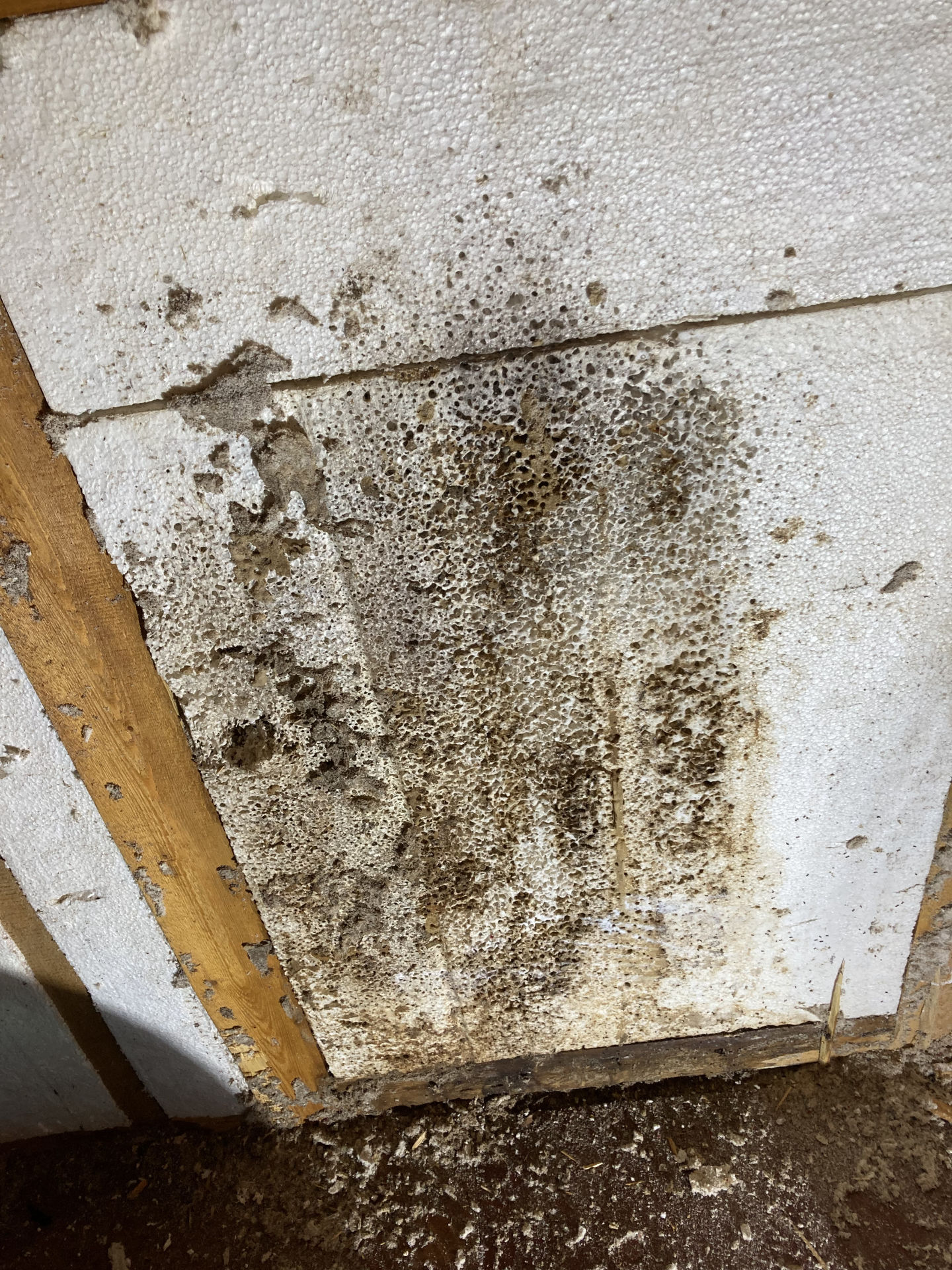
During the hempcrete install we took a 4 month break over the winter. We’d winterised the cabin, closed everything down and retreated to the UK. When we arrived back in spring the following year we were met with a shocking discovery. Mould….. white mould, red mould, black mould. We were a little taken aback and were instantly worried that the mould had formed within the hemp and it was now rotting from the inside. A little investigation and some questions asked on the FB Hempcrete forum soon put our minds at ease a little. We had closed all the windows and door in October so there was no ventilation, no flowing air to take the moisture out of the building, so the static air had just encouraged the moisture to stay mainly around the wood elements providing a kind of perfect storm for all kinds of mould to grow. We opened all the windows and doors, cranked up a fan or two and brushed off as much of the mould as we could and just hoped that a weeks proper ventilation would significantly reduce the moisture in the cabin and prevent any more spore growth. Needless to say it never came back. Valuable lesson learned

Not what we were expecting

The last stage of hemp installing in the roof